
One Battle After Another
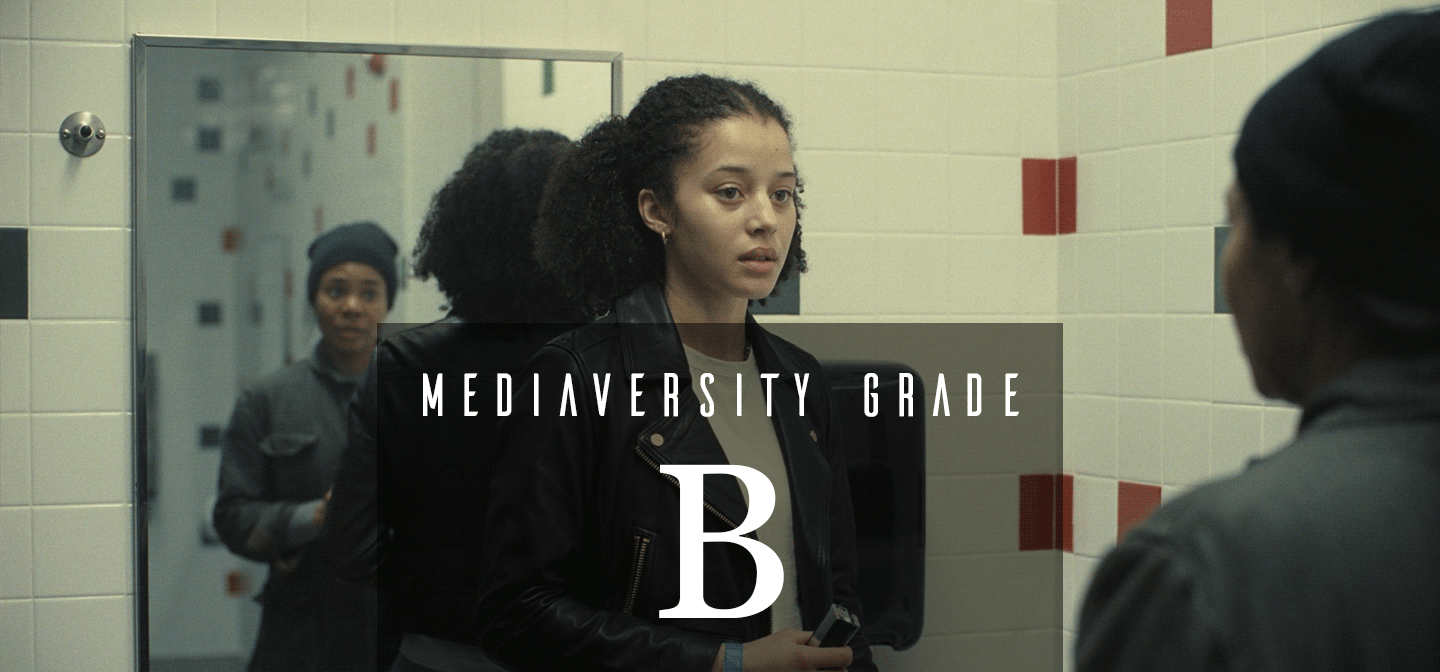
“One Battle After Another tackles stereotypes but doesn’t give characters enough depth to subvert them.”
Title: One Batte After Another (2025)
Director: Paul Thomas Anderson 👨🏼🇺🇸
Writer: Screenplay by Paul Thomas Anderson 👨🏼🇺🇸
Reviewed by Gavin 👨🏼🇬🇧🌈♿
—MINOR SPOILERS AHEAD—
Technical: 5/5
Every day seems to bring some new horrific news about the state of moviegoing. Netflix is close to buying Warner Bros, for example, but several big releases have proven cinema isn’t dead yet. Sinners exploded onto the scene early in the year, Jurassic World Rebirth was a blockbuster success with modern sensibilities, and One Battle After Another is currently dominating award season talk alongside Sinners. Paul Thomas Anderson’s latest has all the trappings of a classic: timely themes, stellar performances, and a riveting narrative.
Loosely based on the novel Vineland, One Battle After Another is a near-three-hour epic fusing action, comedy, and drama. The plot sees stoner ex-revolutionary Bob (Leonardo DiCaprio) tracking down his daughter, Willa (Chase Infiniti), who goes AWOL after white supremacists invade their city and Bob’s old revolutionary pals take her into their secretive protection.
This is a film where every department works in tandem. Cinematographer Michael Bauman produces spectacular silhouettes and colour shooting on the large format VistaVision. Composer Jonny Greenwood provides an unconventional piano-led score that’s as erratic as the eccentric characters on screen, and editor Andy Jurgensen doesn’t just make sense of the sprawling story—he makes that extended runtime fly.
The film’s urgent themes especially stand out. Filled with immigration centres, minority groups fighting to survive, and racist leaders, Anderson reflects what is happening right now. But the title refers to what we’ve been doing for generations: fighting the good fight. Not always cleanly, but fighting nonetheless, time and time again. One Battle After Another is a marvel; a big-budget Hollywood project that empowers audiences through hilarious dialogue and tense action.
Gender: 3.75/5
Does it pass the Bechdel Test? YES
Surrounding Bob is an extended cast of women who are each riveting in their own way, regardless of screen time. They have unique strengths and flaws: Perfidia (Teyana Taylor), a key driving force of the French 75 revolutionary group, owns her freedom and identity as she fiercely fights for human rights—but at the cost of leaving behind scorched earth. Her teenage daughter, Willa, is swept up by old members of the French 75, then later held hostage by armed governmental forces, but she’s never a damsel in distress. Willa fights back against the villainous Colonel Lockjaw (Sean Penn) using street smarts to get through life-and-death situations.
Regina Hall plays Deandra, a longtime French 75 member who has stayed loyal to the cause in fighting authoritarianism. She shows a communal side to motherhood, deeply caring for Willa across the years. There are other women in lesser roles, too; most members of the French 75 are women, Bob receives support from Perfidia’s matriarchs, and a whole convent of nuns support the revolution.
Make no mistake, Bob is still One Battle After Another’s main character who gets the majority of screen time. But he wouldn’t get very far without these women. That’s why it stings when these brilliant characters are pushed to the side for a bumbling man and his shenanigans. Perfidia, Willa, Deandra, and others have interesting characteristics on the surface, but the film doesn’t dig any deeper.
Race: 3/5
There has been a lot of conversation online about the Black women in One Battle After Another—Perfidia, especially. Some say she plays into stereotypes, specifically the Jezebel trope, which hypersexualizes Black women. And Perfidia is sexually active, to say the least. She gets off on making bombs and blowing stuff up. But sexual liberation isn’t the main problem; she also has two relationships with white men in One Battle After Another. There’s sweet Bob and virulent racist Lockjaw. In both, Perfidia has the control (and the higher libido).
While it’s obvious that characters like Lockjaw fetishise Perfidia, it’s unclear at first whether or not Anderson (who is in a long-term relationship with biracial actor Maya Rudolph) is subverting stereotypes or simply employing them. Writer Alex Chew argues that Perfidia, and other Black characters in the film, are owning their sexuality, identity, and power. “One Battle After Another’s commitment to showing Black women as sexy and explicitly anti-racist is a middle finger to Hollywood’s first depictions of my people. I found it exhilarating.” In that vein, Anderson critiques the Jezebel trope when he portrays Lockjaw’s obsession with Perfidia as farcical. Editing, composition, and performances make it clear that Anderson is making fun of, and pulling apart, the racist trope.
Outside of Perfidia, most women are also Black. Willa is played by biracial actor Infiniti and Deandra by African American Hall. Other notable characters include revolutionary Junglepussy, played by Shayna McHayle (whose stage name is also Junglepussy), of Afro-Caribbean descent. Minor characters, from Perfidia’s mother and grandmother, to the convent of nuns, are also Black. No matter their ethics or morals, these Black women come together to fight against fascism and look after Willa.
Puerto Rican actor Benicio del Toro also has a standout turn as Sensei Sergio, an unflappable dojo owner and community leader who makes for a great comedic partner to the erratic Bob as they help each other out in the film’s chaotic second act. As riots break out in a city, Sergio helps Latino immigrants escape arrest. Again, there’s a sense of community as this group of people fight back against authoritarianism; not with force or violence, but by saving one another.
Ultimately, One Battle After Another has racial representation. But crucial characters, like Perfidia, aren’t given the time or space to explore their psyches. It’s positive for a white filmmaker to tackle themes of Black and Latino resistance, but he undoes a lot of work by giving two white characters, Bob and Lockjaw, most of the screen time.
Bonus for LGBTQ: 0.00
Willa’s friend Boba is nonbinary, played by white cisgender male actor Colton Gantt. Their inclusion is welcome, but it feels questionable to make the film’s only LGBTQ character the one who rats out Willa to the authorities.
There are a lot of ways to read this. At face value, Anderson could be demonising a nonbinary character. Or the director could be attempting commentary by portraying Boba as an unreliable white “ally”—a common enough sight in the LGBTQ community. Alternatively, maybe Boba plays into the hands of the interrogator, as they could face harsher consequences as a nonbinary person. But because there’s a lack of screen time for Boba, viewers have no clear way of deducing what Anderson is trying to say.
Mediaversity Grade: B 3.92/5
A fast-paced film that reflects the current political climate, One Battle After Another is a thrilling ride. Anderson bites off more than he can chew when it comes to Black and queer characters, though, tackling stereotypes but not giving characters enough depth to subvert them. In the end, the lines between empowered and questionable representation blur.
Like One Battle After Another? Try these other titles featuring revolution.
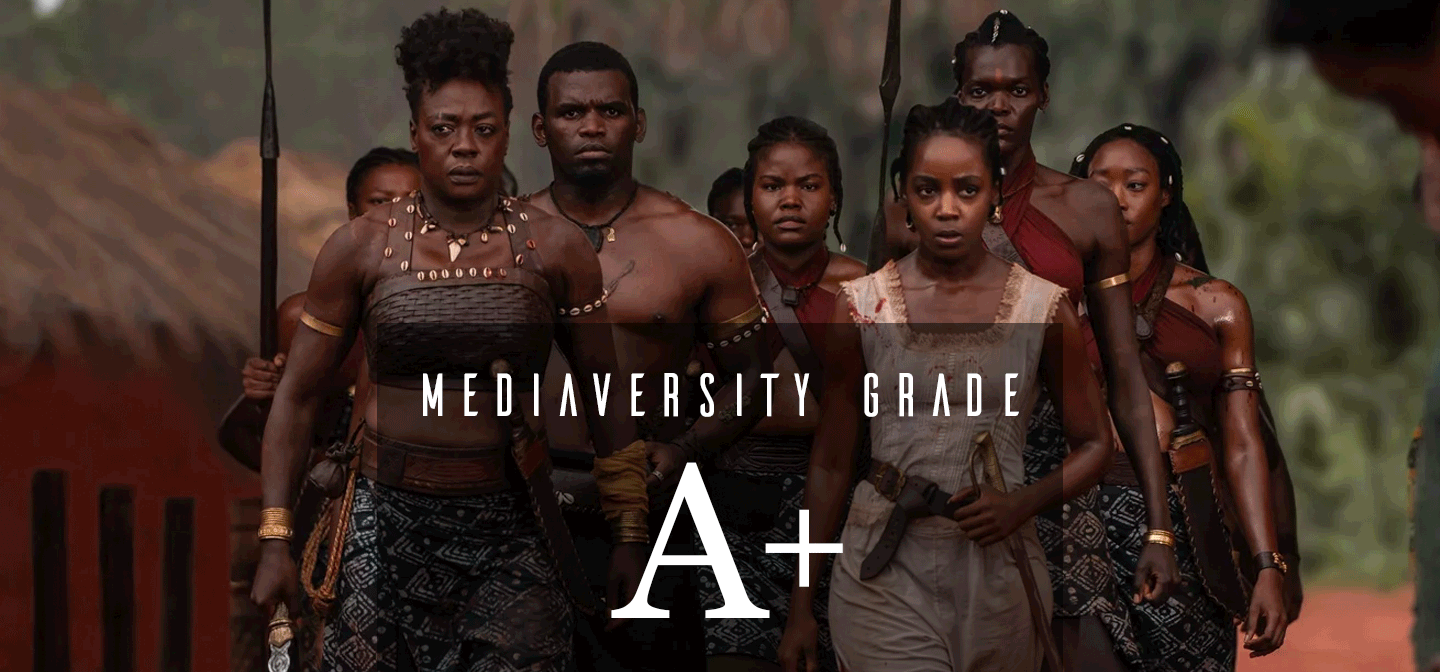
The Woman King (2022)

The Matrix Resurrections (2021)
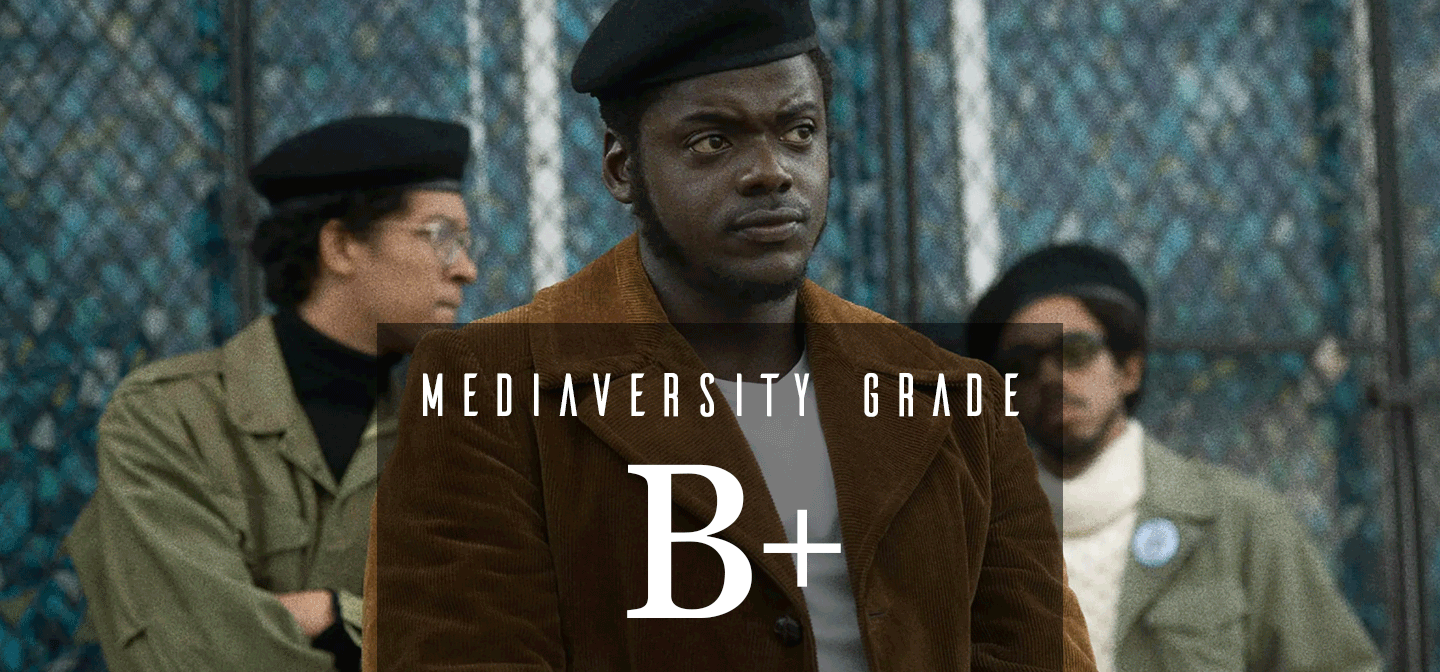
Judas and the Black Messiah (2020)