
Heated Rivalry - Season 1
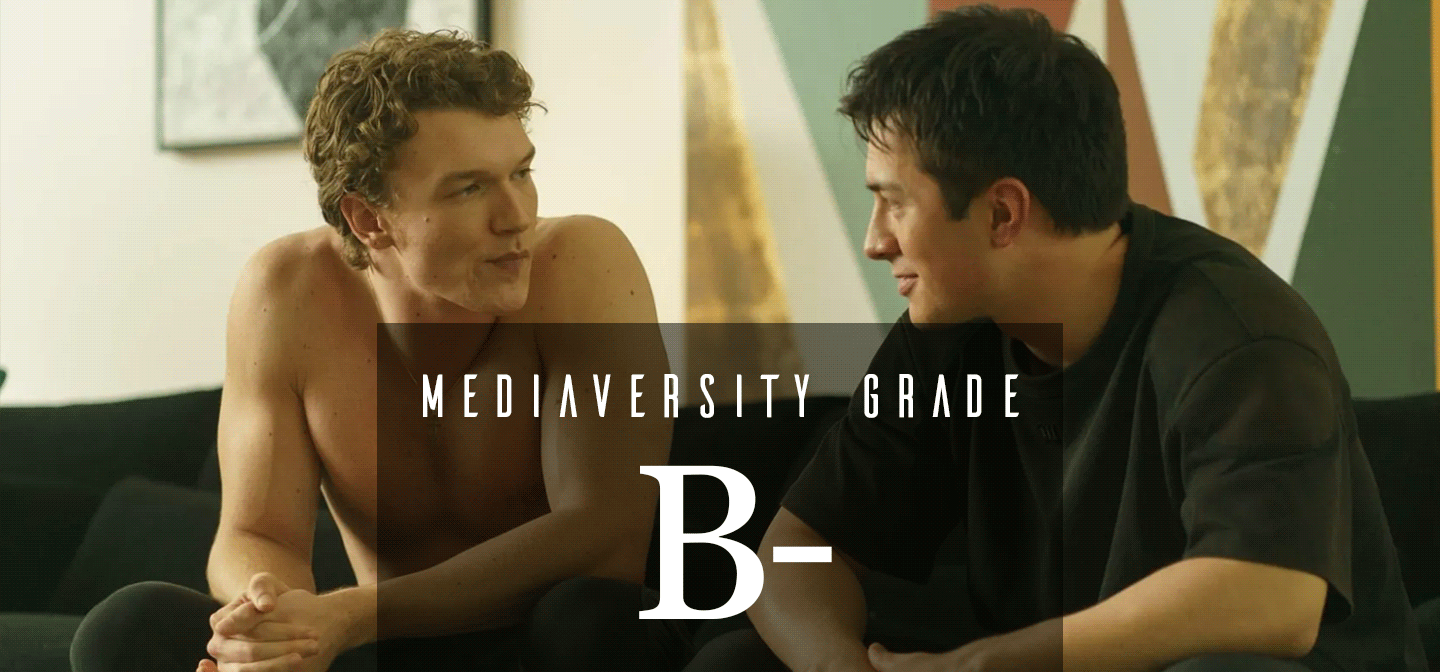
“Heated Rivalry goes beyond including a gay couple; it dives into how LGBTQ people must reckon with societal and personal pressures.”
Title: Heated Rivalry
Episodes Reviewed: Season 1
Creator: Jacob Tierney 👨🏼🌈🇨🇦
Writers: Jacob Tierney 👨🏼🌈🇨🇦 (6 eps) based on the books by Rachel Reid 👩🏼🇨🇦
Reviewed by Sam 🧑🏻🇺🇸🌈
—SPOILERS AHEAD—
Technical: 3.5/5
Adapted from Rachel Reid’s books, gay hockey romance Heated Rivalry instantly became an iconic hit. The Crave series centers on the explosive rivalry and steamy chemistry between two professional hockey players, Shane Hollander (Hudson Williams) and Ilya Rozanov (Connor Storrie).
The story deserves its flowers for bringing queer stories to the forefront of public consciousness. However, the quality of storytelling varies. Some episodes quickly fast-forward through multiple years in a matter of minutes, making the pacing confusing and disorienting. These shortcomings are understandable given the budget constraints and the six-episode limit, but the show would have benefited from more time to flesh out the characters and the story. Still, it successfully incorporates multiple romance tropes (e.g., enemies-to-lovers, friends with benefits) into Shane and Ilya’s journey from timid rookies to their steady, passionate long-term relationship, and a greenlit second season will hopefully give the power couple more space to develop.
Gender: 2.5/5
Does it pass the Bechdel Test? NOPE
It isn’t too surprising that a show centered on two men who play in an all-male sports league doesn’t fare well in its portrayals of women. There are only a few notable supporting female characters: Shane’s mother, Yuna Hollander (Christina Yang); Ilya’s childhood friend and casual love interest, Svetlana Vetrova (Ksenia Daniela Kharlamova); and Shane’s ex-girlfriend, Rose Landry (Sophie Nélisse). In a smaller recurring role, Elena Rygg (Nadine Bhabha) is friends with Kip Grady (Robbie G.K.), a smoothie store employee who dates a famous hockey player, Scott Hunter (Francois Arnaud).
Yuna, Svetlana, and Rose all exist to further Shane and Ilya’s character development. Rose does have a storyline about her career as an actress, but her purpose is to help Shane realize that he’s gay. Their conversations, especially after they break up, center on Shane’s struggles with his sexuality rather than on Rose’s own aspirations.
Yuna, Svetlana, and Elena are also two-dimensional: Yuna is an ambitious and loving mom, and Svetlana and Elena offer shoulders to cry on and endless support for Ilya and Kip, respectively. They have no interiority themselves. It’s a shame, as these characters show promise and would benefit from deeper backstories and individual desires.
Race: 3.5/5
One of the two main characters, Shane, is Japanese and white, portrayed by biracial Korean and white actor Williams. He stands out among the otherwise predominantly white cast (including the three other queer leads, Ilya, Kip, and Scott).
The show largely avoids talking about race, other than one or two offhand comments about how Shane’s identity makes him a role model for other young Asian Canadian boys who are aspiring hockey players. At most, the writers hint at the added pressure of the “model minority” stereotype, with Shane feeling like he has to be perfect. But the show never delves into the realities of being isolated in a very white working environment, and there’s no exploration of Shane’s relationship with his mixed-race identity. It’s a far cry from other Canadian works, like Youngblood (2026), that confront professional hockey’s racism head-on.
That being said, Heated Rivalry casts some actors of color in roles that were originally white in the book. For example, Svetlana is portrayed by Black and Russian-Ukrainian actress Kharlamova. Yet, the series doesn’t do much with these changes, preferring the welcome but ultimately shallow route of “colorblind” casting.
LGBTQ: 5/5
Heated Rivalry goes beyond including a gay couple; it dives into how LGBTQ people must reckon with societal and personal pressures that affect how they view their identity and their romantic relationships. In particular, the storyline about Ilya coming from a homophobic family in Russia offers a fresh perspective on what it means to be queer and an immigrant. Heated Rivalry also addresses the issue of homophobia in hockey, as Shane struggles to accept his own sexuality and feels pressured to date women. Despite all of the obstacles in Shane and Ilya’s way, the two find their happy ending, driving off into the sunset after a peaceful vacation at Shane’s cottage.
In addition to Shane and Ilya, Heated Rivalry features another queer relationship: Kip and Scott. While the show dedicates less time to Kip and Scott’s romance, this couple also receives their fair share of struggles. Namely, Scott keeps his sexuality a secret to protect his major league hockey career, putting a heavy burden on both partners’ shoulders. The bottle episode tracing their relationship sets up one of the most pivotal moments of the series: When Scott kisses Kip after his team wins the Stanley Cup, he becomes the first openly gay player in the series’ fictional Major Hockey League. To this day, there has not been an openly gay player to play an in-season game in the NHL, despite years of advocacy by You Can Play, which began partnering with the NHL in 2012 to support LGBTQ inclusiveness in the league. It shows just how entrenched the homophobia is, and Heated Rivalry deserves recognition for confronting the continued stigma and imagining a world that welcomes queerness.
Mediaversity Grade: B- 3.63/5
Heated Rivalry sparked crucial conversations about LGBTQ identity in professional sports, especially among male athletes. But there remains plenty of room for improvement when tackling race and gender. Considering the care that showrunner Jacob Tierney has already put into the series thus far, I’m excited to see how Season 2 will continue to develop Shane and Ilya’s passionate romance.
Like Heated Rivalry? Try these other gay romances based on YA books.

Heartstopper - Season 1
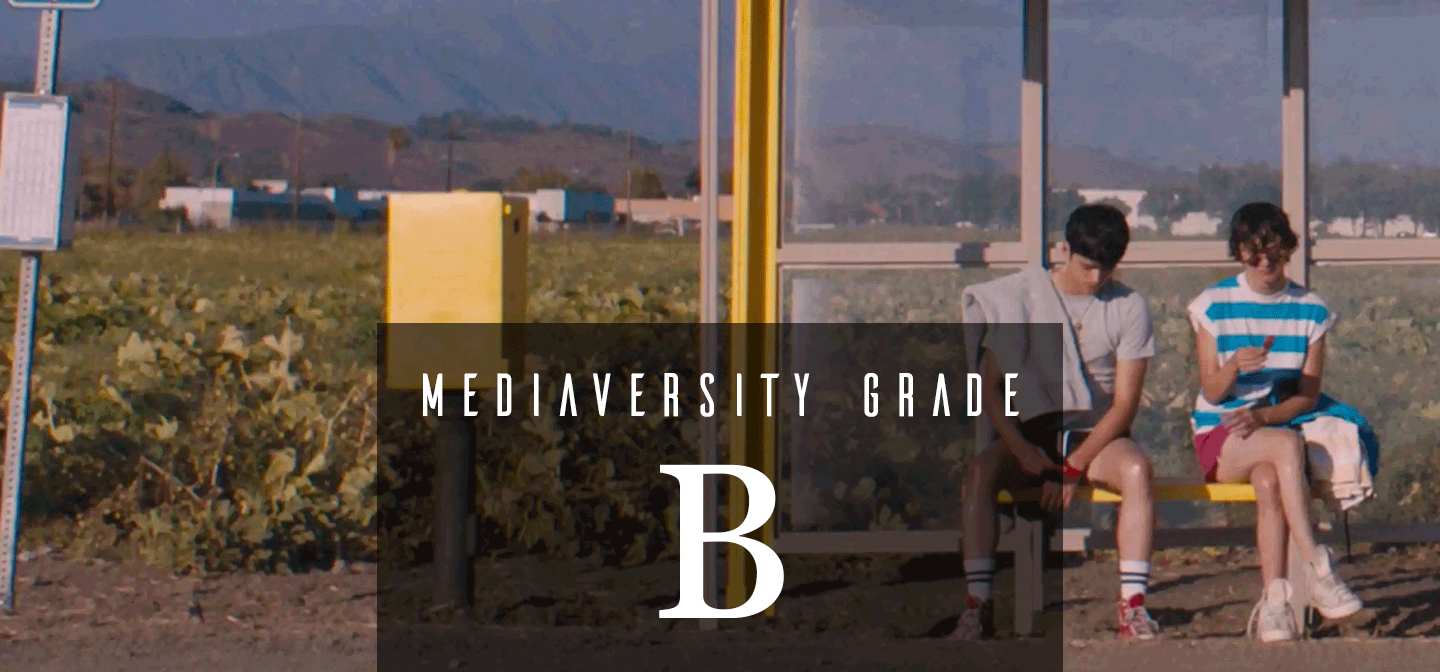
Aristotle and Dante Discover the Secrets of the Universe (2022)
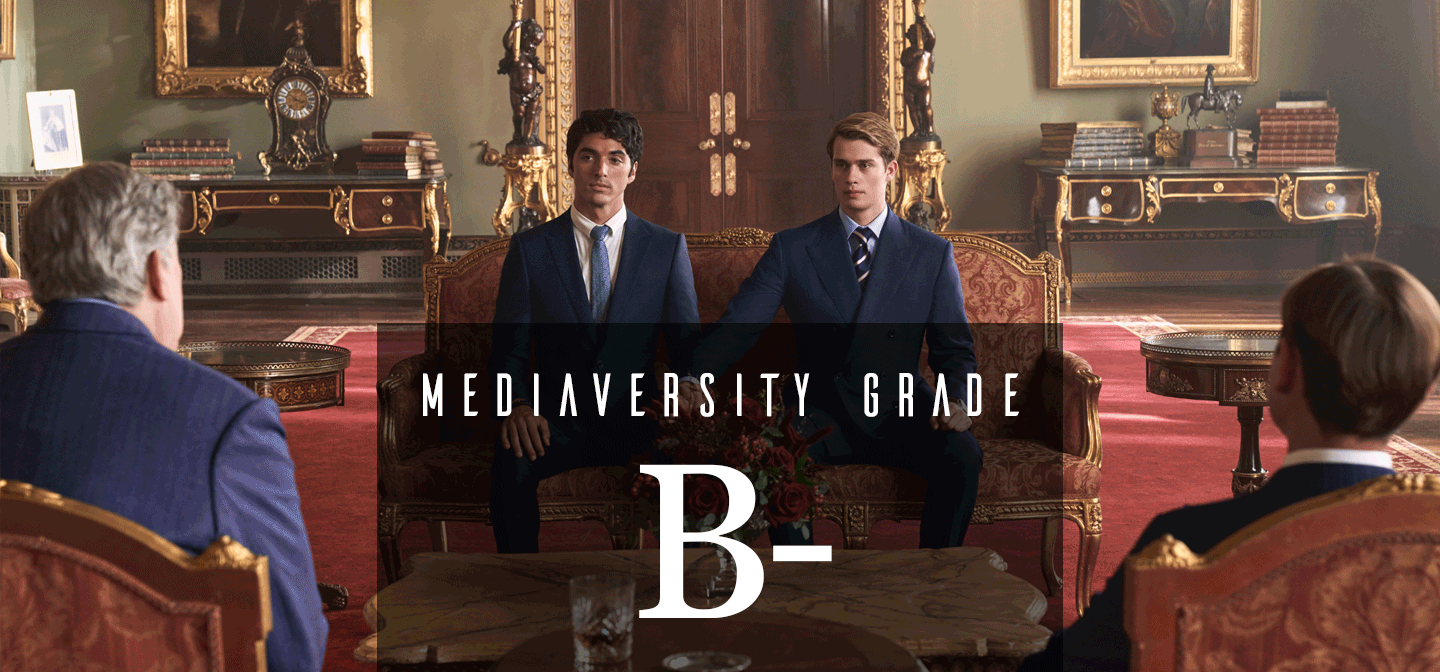
Red, White & Royal Blue (2023)