
Spider-Man: Brand New Day
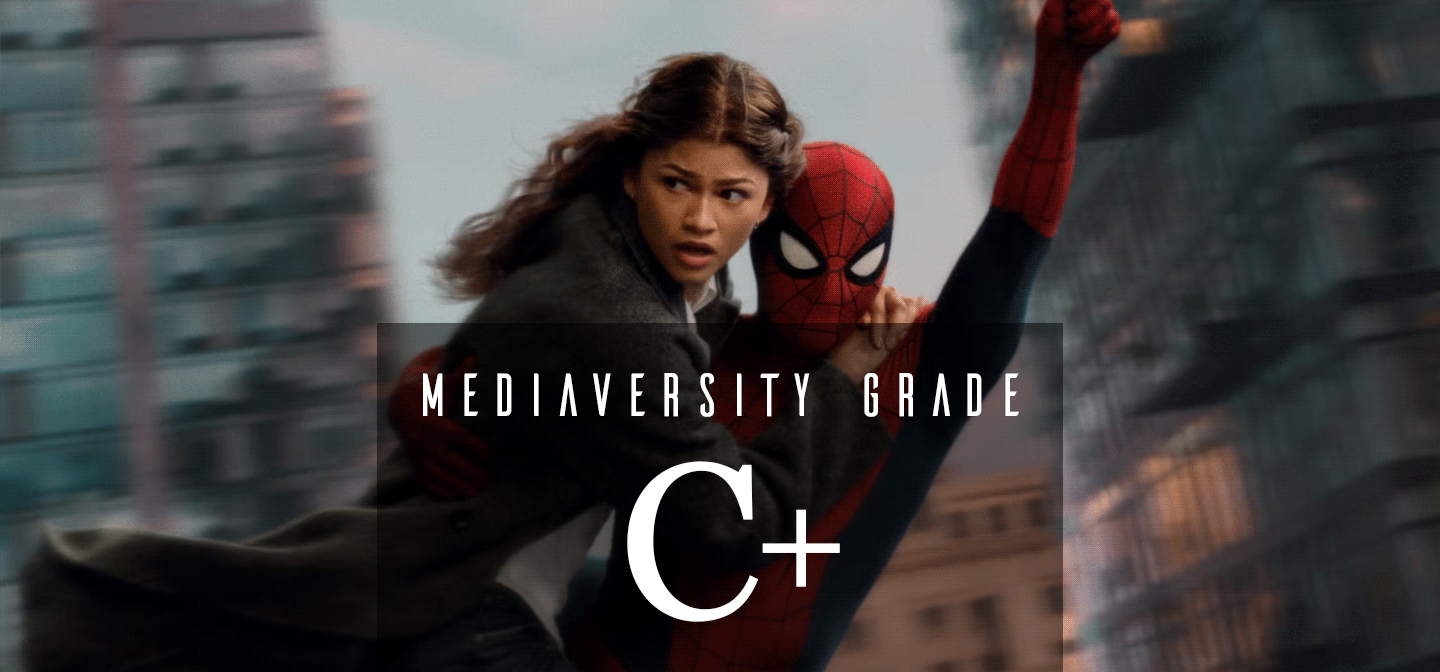
“Spider-Man: Brand New Day’s women mostly wait and advise, its actors of color mostly function, and its most interesting metaphor gets tangled in its own web.”
Title: Spider-Man: Brand New Day (2026)
Director: Destin Daniel Cretton 👨🏻🇺🇸
Writers: Chris McKenna 👨🏼🇺🇸 and Erik Sommers 👨🏼🇺🇸
Reviewed by Jose Solís 👨🏽🇭🇳🌈
Technical: 3.75/5
It’s been four years since the end of Spider-Man: No Way Home (2021), when Peter Parker (Tom Holland) asked Dr. Strange (Benedict Cumberbatch) to wipe everyone’s memory of him in order to protect the multiverse. The ensuing loneliness drives Peter to cope the only way he knows how: throwing himself into being Spider-Man. But as the lines between the man and the persona start to blur, Peter’s inner life takes a turn—just as he faces a villain more complex and mysterious than any he’s dealt with before.
Spider-Man: Brand New Day’s director, Daniel Destin Cretton (Shang-Chi and the Legend of the Ten Rings), is no stranger to telling stories about young people at a crossroads. His 2013 film, Short Term 12, was based on his personal experience working in a foster care facility. Brand New Day maintains echoes of this past work, with Cretton treating the franchise’s characters with a level of sensitivity that’s rare for a superhero blockbuster. Michael Giacchino’s mournful electronica-infused score backs it beautifully, too.
Unfortunately, the film’s comic-book limitations keep Cretton from digging as deep as he clearly wants to. The action sequences—big, outlandish, and fun as they are—aren’t as compelling as the quieter scenes. The film’s best moment, in fact, simply involves two characters discussing their love lives in the privacy of a bedroom. Furthermore, the ending doubles as a launchpad for both a new Holland trilogy and an upcoming Avengers film. What could be a self-contained story instead feels like a chapter of required reading in an MCU syllabus that never ends.
Gender: 2.25/5
Does it pass the Bechdel Test? YES, but barely
Zendaya’s MJ spends most of her time waiting to be rescued by Spider-Man, while Peter hopes she will somehow be able to remember him. (This has undertones of the recent release The Odyssey, which also stars the real-life Zendaya-Holland couple). But the actress makes that waiting feel alive, turning in a performance that exudes warmth and, eek, sexiness—a bold move for a film that largely caters to preteens who still think girls have cooties. When Peter confronts something he did without MJ’s consent, it asks real emotional work from both actors. The hurt in her eyes gives weight to a character who’s otherwise stuck being a damsel-in-distress.
Meanwhile, the film’s only Bechdel Test-passing scene comes in a flashback between Sadie Sink’s character (whose identity most reviews have abstained from spoiling) and another young woman, played by Olivia Booth-Ford, discussing the issues arising from powers they did not choose to inherit. But the scene feels forced, as if existing precisely to check off the Bechdel box.
Elsewhere, Liza Colón-Zayas and Zabryna Guevara play police/civilian roles that mostly function to provide MCU continuity rather than give full life to their own characters, and Marisa Tomei’s Aunt May has a barely-there role, dispensing sage wisdom from beyond the grave. Even Naomi Watts, voicing Peter’s new AI assistant E.V., continues a running MCU pattern of gendering “helper” technology as female and disembodied—Karen (Homecoming), EDITH (Far From Home), and now E.V. were merely created to serve a male hero’s needs. Add in Florence Pugh’s Yelena Belova—on-call and available whenever Spider-Man needs backup—and a clear trend emerges: The women in Peter’s orbit are mostly there to help, wait for, or advise him.
Race: 3.25/5
With Brand New Day, Cretton becomes the fourth director of this live-action franchise—after Sam Raimi’s trilogy, Marc Webb’s two films, and Jon Watts’ trilogy—as well as its first director of color. This shows up in ways both evident and subtle.
It’s worth noting that the animated Spider-Verse films got here first, with Peter Ramsey co-directing Spider-Man: Into the Spider-Verse (2018) and Kemp Powers co-directing Across the Spider-Verse (2023). Cretton himself is Japanese American on his mother’s side, raised in Hawaii, and that background feels present in the film’s textures. The soundtrack alone signals a different sensibility—TV on the Radio’s “Wolf Like Me” opens the film with confidence, and needle-drops from artists like Chaka Khan and Bad Bunny land with cultural precision rather than functioning as generic playlist filler.
Beyond the music, this might be the live-action Spider-Man film that most honestly captures New York as an actual multicultural capital, populated by extras and background faces that make the city feel lived-in rather than staged. At the same time, Brand New Day leans heavily on colorblind storytelling, rendering that diversity shallow.
Jacob Batalon’s Ned is still pigeonholed as the “nerdy Asian best friend” that the franchise has leaned on since Homecoming. He’s tech-savvy and comic-relief-adjacent with little room to be anything else. Michael Mando returns as Scorpion with no more characterization than the role requires, despite an actor whose own background—Lebanese heritage through his mother, roots in Ivory Coast through his father, raised across Ghana, Lebanon, and Canada—could have made the character far more layered than the film bothers to explore.
The Hand, the film’s ninja antagonists, get zero dialogue and read as default “Asian villains who do martial arts” without a single line to complicate it. Eman Esfandi, credited only as “The Boyfriend,” gets barely any material, though it’s worth noting his own heritage—Iranian father, Ecuadorian mother—adds an unspoken multiculturalism.
Finally, there’s a pervasive and uncomfortable pattern worth mentioning: a recurring image of a Black or Latino father lifting his son onto his shoulders to watch for Spider-Man reinforces the old superhero-movie habit of asking audiences of color to root for a white boy hero rather than starring in their own story.
Bonus for Body Diversity: +0.25
Ned has a significant role as Peter’s best friend, and his body is never treated as a punchline or as a character flaw.
Bonus for Disability: +0.00
Peter’s powers begin to change in Brand New Day. He loses his web-shooters as his body starts producing organic webbing on its own. He gets vertigo, becomes disoriented, and has blackouts—health issues that open up a wide field of interpretation.
Depending on the viewer, this can read as PTSD. Peter’s isolation produces something close to anxiety attacks, hallucinations, and depression, all stemming from a world that’s forgotten him and best friends who no longer know his name. These physical changes could also be a meditation on the loneliness of a certain kind of man who rescues everyone else instead of being rescued himself. Or the superpowers can read as neurodivergence—underlined by a subplot where mysterious government agents study Sink’s character’s brain to understand why her telepathic abilities isolate her from everyone around her.
But none of these readings are named in the film. This ambiguity can charitably be considered an attempt at universality. But vagueness becomes a problem in one specific thread: Peter tries to build a device that regulates his condition, which then backfires and tangles him up in new complications. In the context of PTSD or neurodivergence, that plotline edges uncomfortably close to a paternalistic view that suggests that regulating or medicating oneself creates more harm than it solves—a message the film almost certainly didn’t intend, but one it never quite manages to swing clear of, either.
Mediaversity Grade: C+ 3.17/5
Spider-Man: Brand New Day is carried by Cretton’s empathetic lens and tasteful soundtrack, which both give the film a tenderness rarely seen in this genre. But it’s also, first and foremost, a movie in service of franchise machinery. Meanwhile, its women mostly wait and advise, its actors of color mostly function, and its most interesting metaphor—pardon the Spidey-pun—gets tangled in its own web.
Like Spider-Man: Brand New Day? Try these other titles about memory loss and waiting.
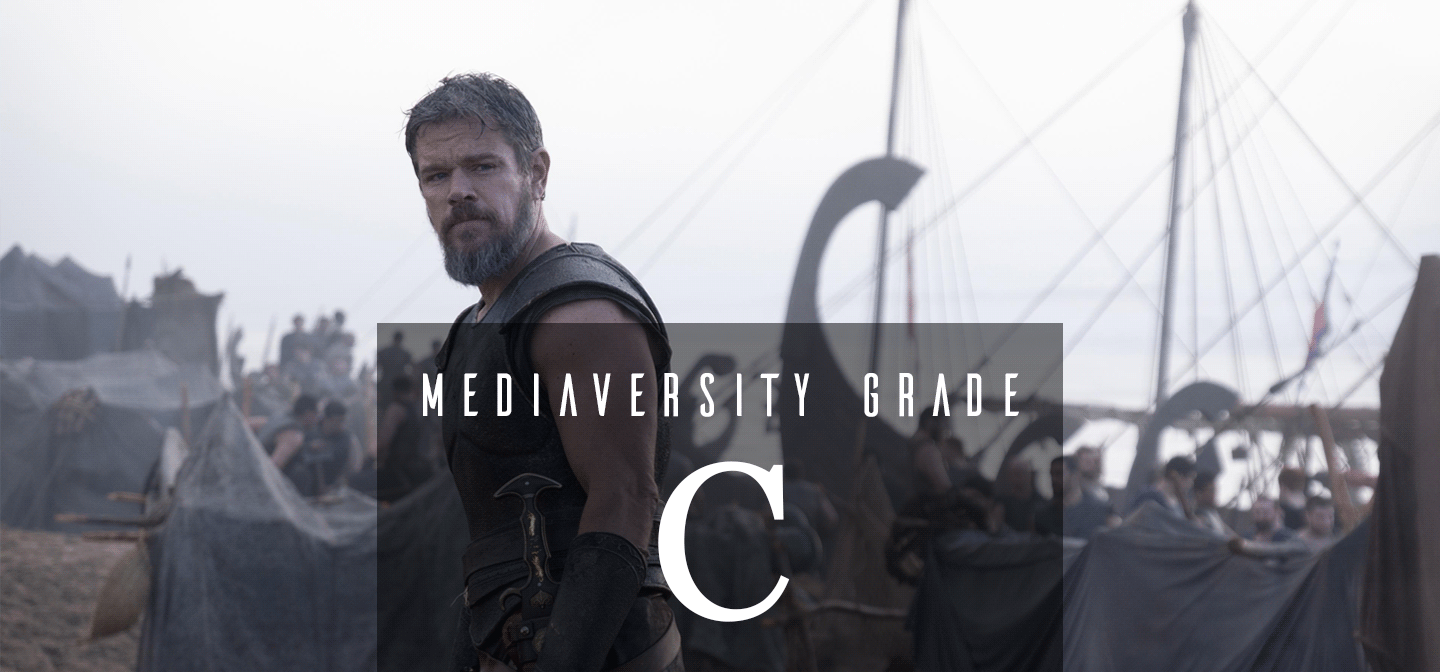
The Odyssey (2026)
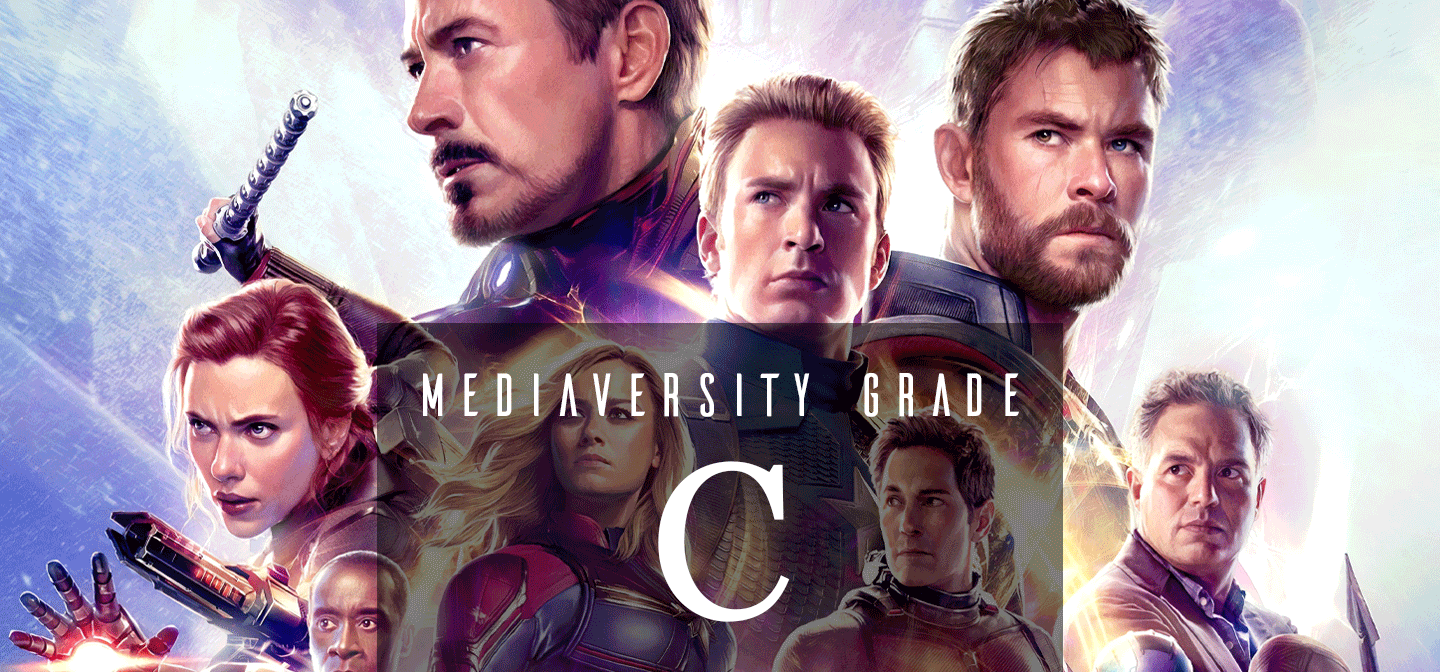
Avengers: Endgame (2019)
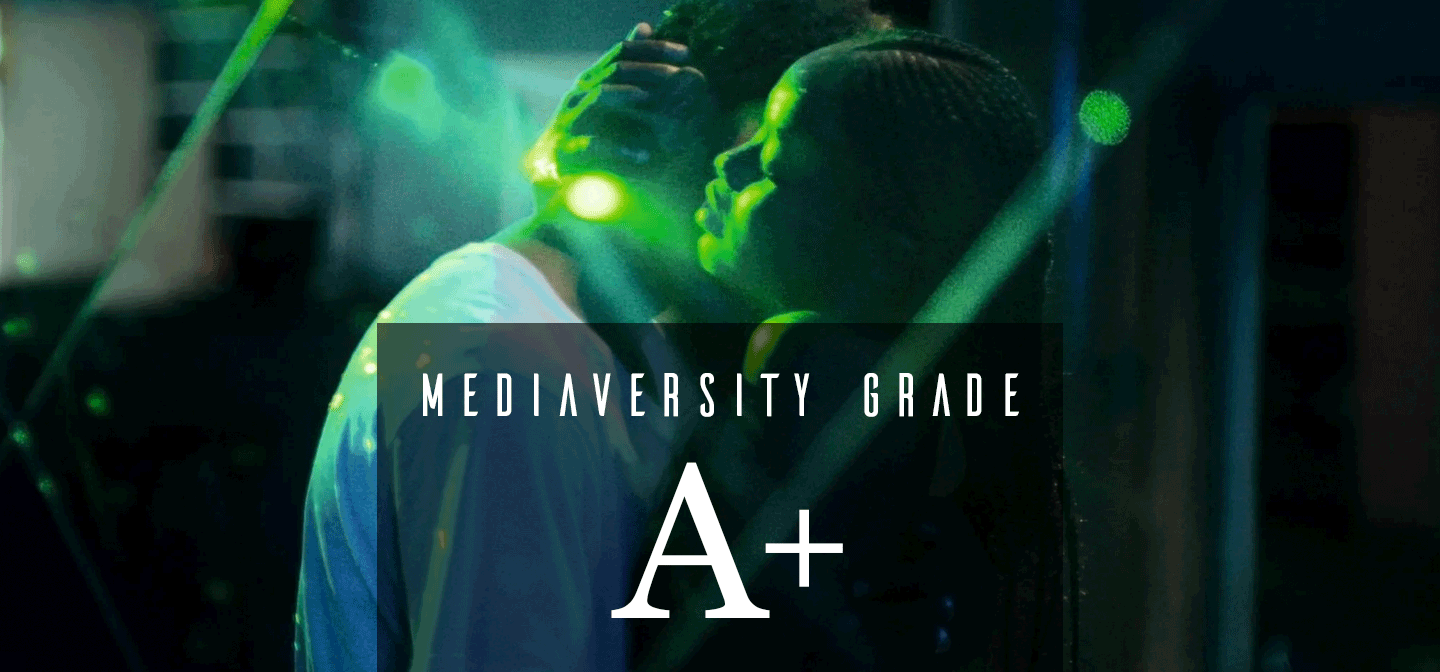
Atlantics (2019)