
K-POPS!
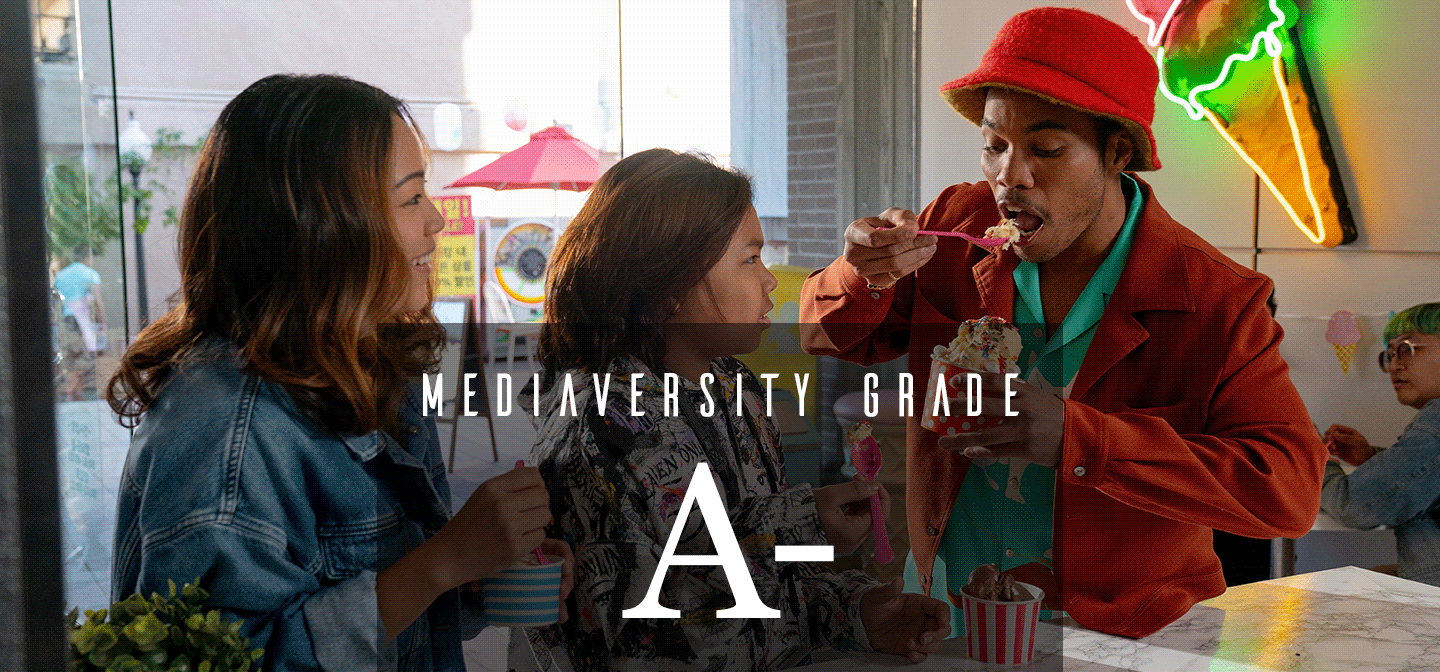
“At its most impactful, K-POPS! uses a lighthearted tone to address the painful history of anti-Blackness in K-pop.”
Title: K-POPS! (2026)
Director: Anderson .Paak 👨🏽🇺🇸
Writers: Anderson .Paak 👨🏽🇺🇸 and Khaila Amazan 👩🏽🇺🇸
Reviewed by Li 👩🏻🇺🇸
Technical: 4.25/5
GRAMMY Award-winning producer, songwriter, and artist Anderson .Paak steps behind the camera for his directorial feature debut, K-POPS!. The upbeat father-son dramedy stars .Paak as a Los Angeles-based musician named BJ who goes to Korea in the hopes of tapping into the K-pop phenomenon. There, he cosmically runs into the son he never knew he had, Tae Young (played by .Paak’s real-life son, Soul Rasheed). So begins the journey of a manchild coming to terms with being a sudden father to a 12-year-old, and what that means for his dream of becoming a global superstar.
Like its emphatic title, K-POPS! is peppy and cheerful, filled with catchy music, quick editing, and a bubblegum color palette that perfectly conveys the music genre. Animated sequences further break up the story, and they’re adorable and help speed through exposition in a way that’s both quirky and doesn’t feel rushed. In fact, the light movie surprisingly clocks in at almost two full hours, but you don’t feel it—the movie bursts with personality, and .Paak’s manic energy helps keep the viewer engaged.
But the writing is where K-POPS! shows its inexperience. Logic gaps undermine the emotional impact; for example, when Tae Young finds out from his mom Yeji (Jee Young Han) that his new K-pop mentor, BJ, is actually Tae Young’s biological dad, the 12-year-old briefly grumbles about it, but then seems weirdly okay with the turn of events. Within a scene or two, Tae Young’s earnestly calling BJ “dad” and “pops,” which feels unlikely.
Still, between a fun premise that centers on a faux reality competition show and a cross-cultural family story inspired by .Paak’s own life, K-POPS! cheerfully delivers authenticity. Meanwhile, the cast members’ chemistry and comedic timing ensure a delightful time from start to finish.
Gender: 4/5
Does it pass the Bechdel Test? YES
K-POPS! centers on two male protagonists, BJ and Tae Young, but Yeji holds down the fort as its main female lead. She easily could have fallen into the cliché of being a love interest who doesn’t have much of her own story arc. But thanks to endearing details that flesh her out—like seeing her zoom around on a motorcycle—and supporting characters who exist only in Yeji’s world, she evolves into a three-dimensional character with personality, spark, and independence.
Yeji’s relationships outside of BJ are key: We first meet her in a bar in LA as she joins up with two of her girlfriends. Right away, the movie passes the ultra-easy Bechdel test, as the three chat about karaoke. 12 years later, in Seoul, we see Yeji not only as a single mother to Tae Young, but also supported by a coworker, Kitty (Jenne Kang), whom Tae Young calls “auntie.” These supporting characters don’t have the biggest roles, but they help alleviate the sense of tokenism that can arise when a movie positions a woman as a love interest.
On BJ’s side, it’s also positive to see his mom, Brenda (Yvette Nicole Brown), in several scenes. Brenda works at the same bar her son performs at and has a silly are-they-or-aren’t-they-dating relationship with bar owner Cash (Jonnie “Dumbfoundead” Park). She’s both supportive of her son without being at BJ’s beck and call, which gives Brenda a lovely sense of agency.
Race: 5/5
Not many films navigate biracial identity with depth or competency. But thanks in large part to .Paak’s own heritage—his mom is biracial Korean-Black, and his dad is African American—and co-screenwriter Khaila Amazan, who is Afro-Latina, K-POPS! breezes through on that front.
For starters, the main characters are ethnically diverse: BJ grew up in LA with a Black mom, and his Korean dad died when BJ was young. His biracial son, Tae Young, has American parents but grew up in Seoul, while Yeji offers a welcome look at a Korean American woman raising her Blasian kid abroad.
The writing confidently incorporates race, and jokes rib at cultural differences with ease. When BJ meets the band members of Earth, Wind & Fire, he’s reduced to a nervous fanboy, blurting to bassist Verdine White, “Can I touch your hair?” The musical icon recoils, and it’s a hilarious subversion of the microaggression where non-Black people ask to touch Black people’s hair.
In other scenes, Korean characters mistake BJ for Black celebrities like André 3000 or Childish Gambino, gently poking fun at Koreans with the warmth of a teasing friend. At its most impactful, the script uses a lighthearted tone to address the painful history of anti-Blackness in K-pop. Since its early days, K-pop has drawn on Black music without acknowledgement or compensation. While bands like BTS have tried to learn their history and connect with Black artists—seen in 2014’s reality series American Hustle Life—tensions remain today. Just this past week, a new controversy surfaced, where a BTS promo trailer whitewashed Howard University as being filled with white people.
The need for widespread education is real. K-POPS! donates some airtime to this cause, as BJ quickly schools his son on Black music history, drawing a straight line through gospel, the blues, rock and roll, soul/funk, and hip-hop to the mash-up genre we know today as K-pop. BJ ends his mini history lesson saying, “The Jacksons walked in order for BTS to dance,” and it’s a welcome way to acknowledge some of K-pop’s shortcomings while still embracing the genre’s far-flung appeal.
Bonus for Body Diversity: +0.00
Tae Young has a backup dance group composed of classic “misfits.” Among them, Eujin (Emi Kim) has an average body size that falls outside the toxic norm of ultra-thin idol standards. Eujin only sees a little screen time, but she’s non-stereotypical, getting laugh lines that have nothing to do with her weight.
It’s encouraging that the K-POPS!’ fictional idol competition, Wildcard, looks slightly more inclusive than those in reality—at least compared to shows like Produce 101 (2016–) and I-Land (2020), where contestants squeeze into the strictest, most homogenous beauty standards. Wildcard also has Eujin making it pretty far into the competition, but ultimately, she still feels tokenized. Adding even just a couple more trainees with different body shapes would have elevated this section beyond a cursory nod to diversity.
Mediaversity Grade: A- 4.42/5
K-POPS! knows exactly what it’s doing on the racial-ethnic front, and the script mines that expertise with culturally competent jokes that never punch down. The overall sophistication of the writing could improve, especially in character development. But as it stands, this is a wonderful way to indulge in some K-pop razzle-dazzle while exploring the integral role that Black people have played in the genre’s making—all while celebrating K-pop’s iterative influence on Black American artists in return.
Like K-POPS!? Try these other titles featuring father-son storylines.
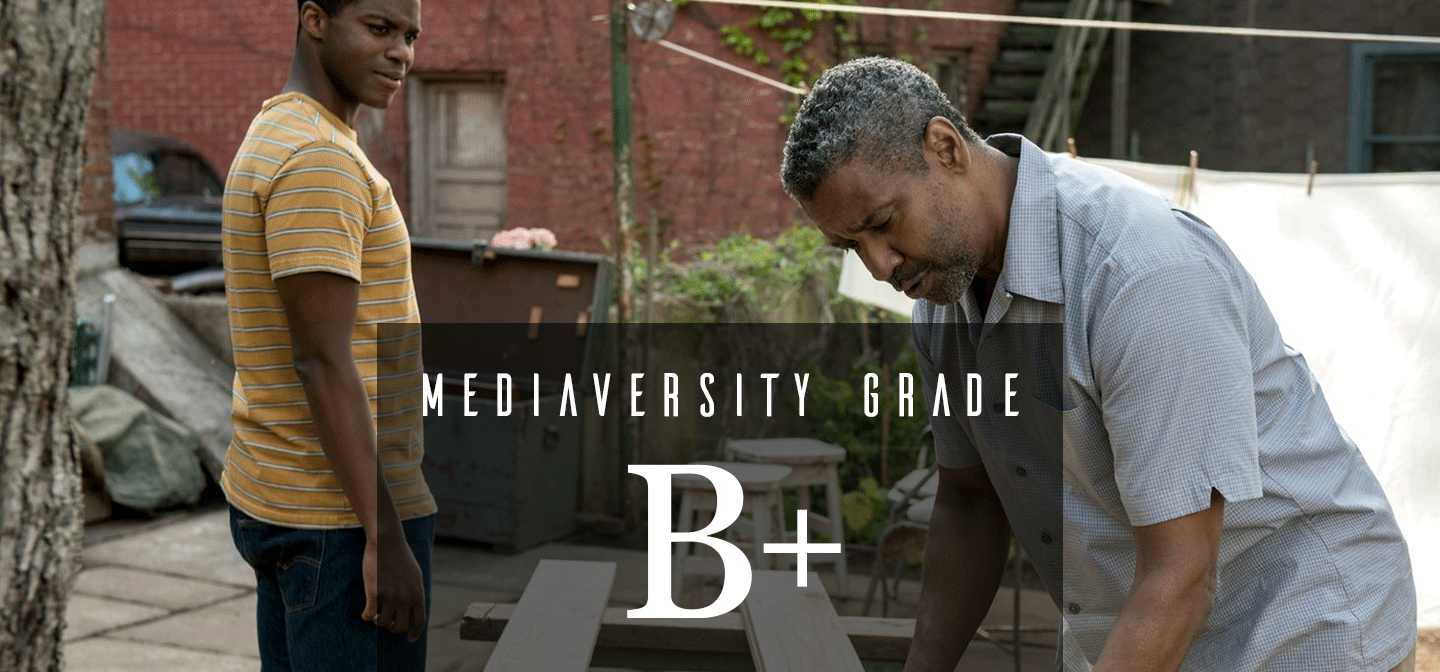
Fences (2016)
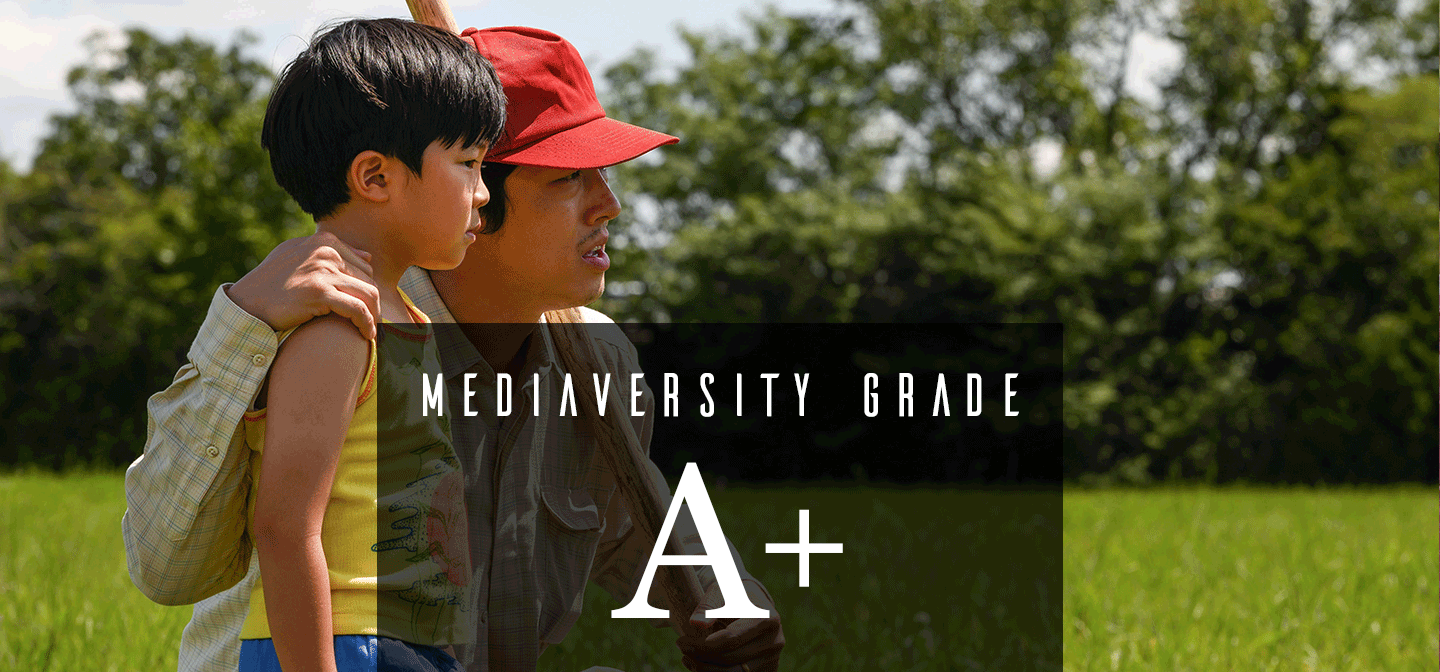
Minari (2020)
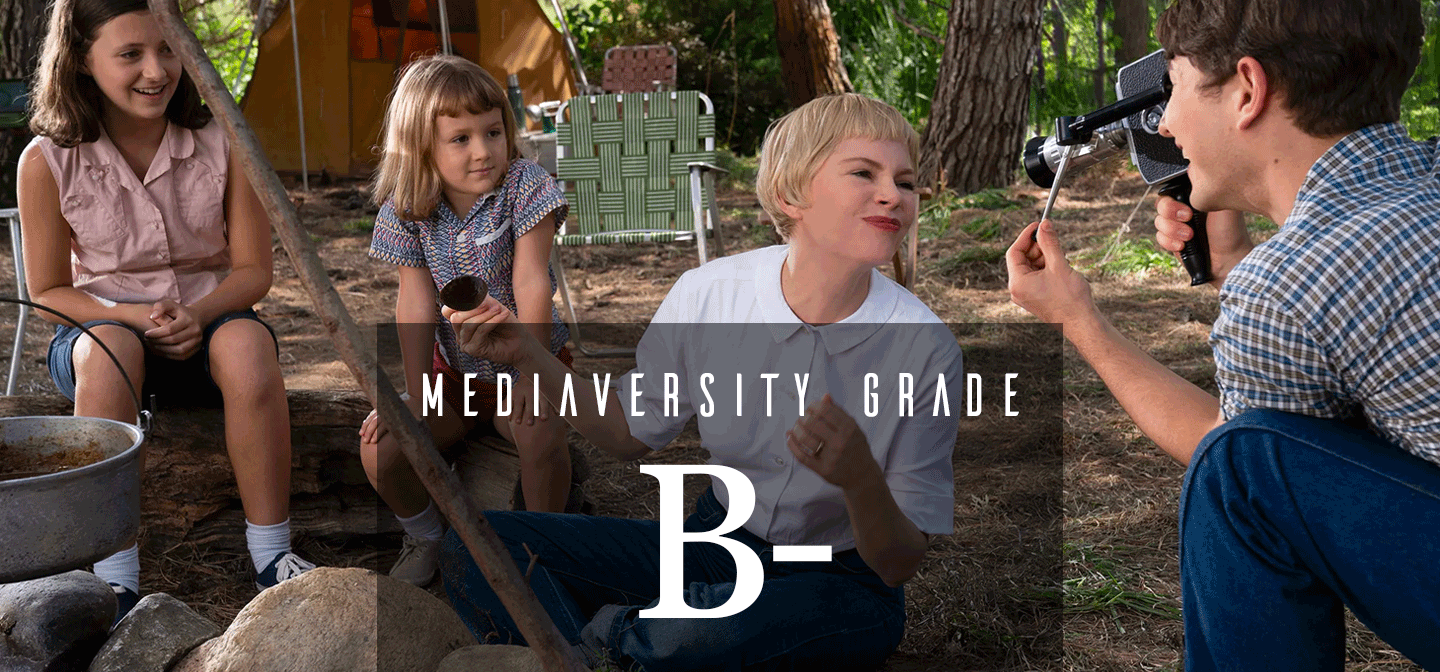
The Fabelmans (2022)