
Sentimental Value
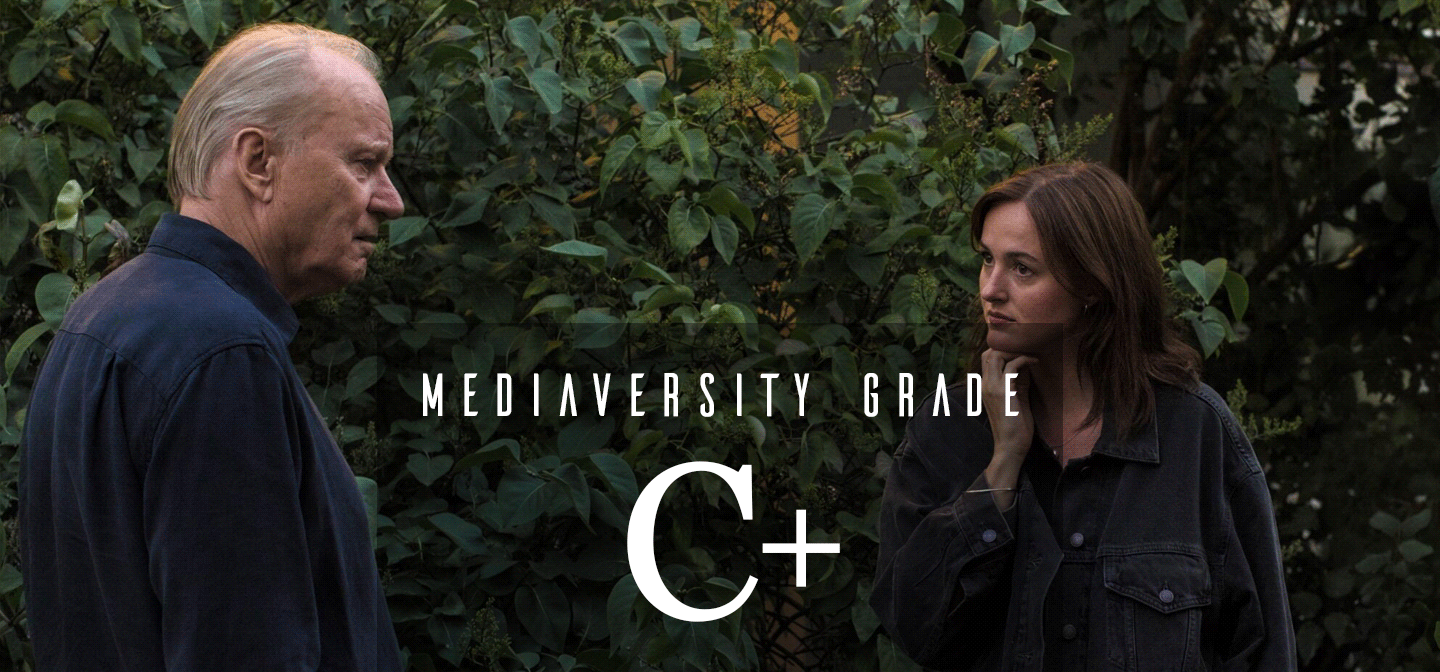
“Discussions of mental health, particularly depression, are an essential part of Sentimental Value’s family’s dynamics.”
Title: Sentimental Value (2025)
Director: Joachim Trier 👨🏼🇳🇴
Writers: Joachim Trier 👨🏼🇳🇴 and Eskil Vogt 👨🏼🇳🇴
Reviewed by Sam 🧑🏻🇺🇸🌈
Technical: 4/5
Many films explore strained family dynamics, but only a few ask the question posed in Sentimental Value: Is forgiveness possible? With this in mind, Norwegian filmmaker Joachim Trier (The Worst Person in the World) dives into the fractured relationship between aspiring actress Nora Borg (Renate Reinsve) and her estranged filmmaker father, Gustav (Stellan Skarsgård). When Nora and her sister Agnes’ (Inga Ibsdotter Lilleaas) mother dies, Gustav reappears in their lives—along with a script specifically written for Nora—and the sisters embark on a journey to face the generational trauma that runs through their family.
Sentimental Value’s sound design and cinematography are simply stunning, emulating the connection between the characters’ pasts and present. At times, the meta of being a movie about a movie makes the commentary a bit disjointed. But for the most part, Trier’s microscopic focus on his central characters and the cracks in their relationships effectively sets up the audience to sympathize with all of them. While the tone may be quiet and measured, Sentimental Value packs incredibly powerful lines and moments that stay with the viewer long after the movie ends.
Gender: 4.5/5
Does it pass the Bechdel Test? YES
The film balances the perspectives of Nora, Gustav, and Agnes well, though Nora shines as the true lead. Trier doesn’t shy away from her flaws and imperfections, initially showing Nora as a difficult actress who nearly causes an entire theatre production to shut down due to last-minute stage jitters. However, the story gradually reveals more about her anxieties and how they inform her acting career. It’s refreshing to see a female protagonist who’s allowed to make mistakes and have emotional depth.
As for Agnes, being a mother and a wife are key to her identity, but the film never reduces her to those roles alone. She has her own storyline about exploring the Borg lineage, even if she’s less developed than Nora (who has about double the screen time). Additionally, Agnes’ relationship with Nora is one of the most developed parts of the film. While the two sisters talk a lot about their father and often disagree, their conversations are grounded in love and care.
Race: 1/5
Sentimental Value centers on a White family, but even in minor roles, almost no characters of color appear. While Norway is indeed predominantly white, several scenes were shot in Oslo, where non-Western immigrants and their children made up almost 1 in 4 residents. Granted, the city is pretty segregated, but Gustav’s family home was shot in the affluent borough of Frogner, where almost 1 in 5 residents are foreign-born. This limited approach to casting disappointingly leaves out Oslo’s racial diversity.
Bonus for Disability: +0.50
Discussions of mental health, particularly depression, are an essential part of the central family’s dynamics. The film frames Nora’s struggles in an empathetic, non-dramatic way. In fact, its explanations of mental health can be surprisingly clinical, but in a way that illustrates how Gustav’s mom’s death has contributed to the generational pain that haunts the Borg family.
Mediaversity Grade: C+ 3.33/5
Offering a brutally honest perspective on tense family relationships, Sentimental Value does justice to its female characters and offers a compassionate depiction of intergenerational trauma. However, the film falters when it comes to race, carelessly leaving out the people of color who live and work in Oslo.
Like Sentimental Value? Try these other titles centering on father-daughter relationships.
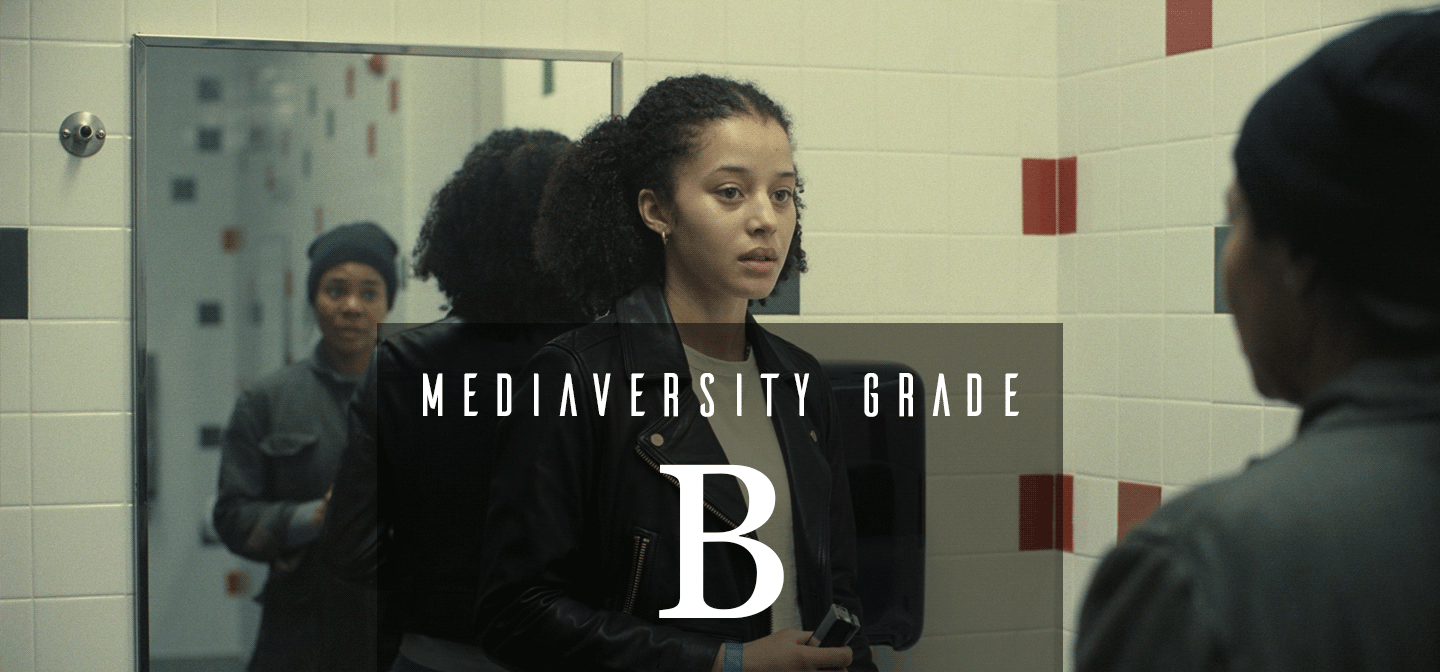
One Battle After Another (2025)

King Richard (2021)
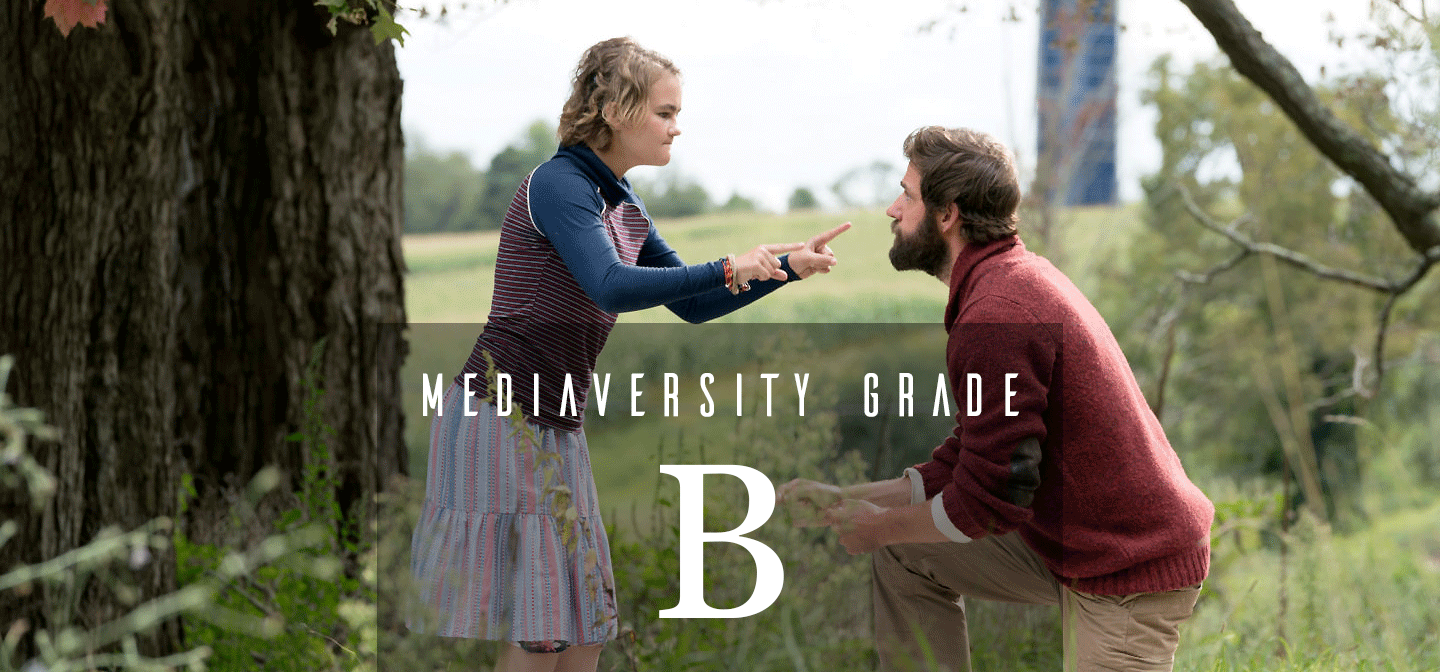
A Quiet Place (2018)