
Lilo & Stitch
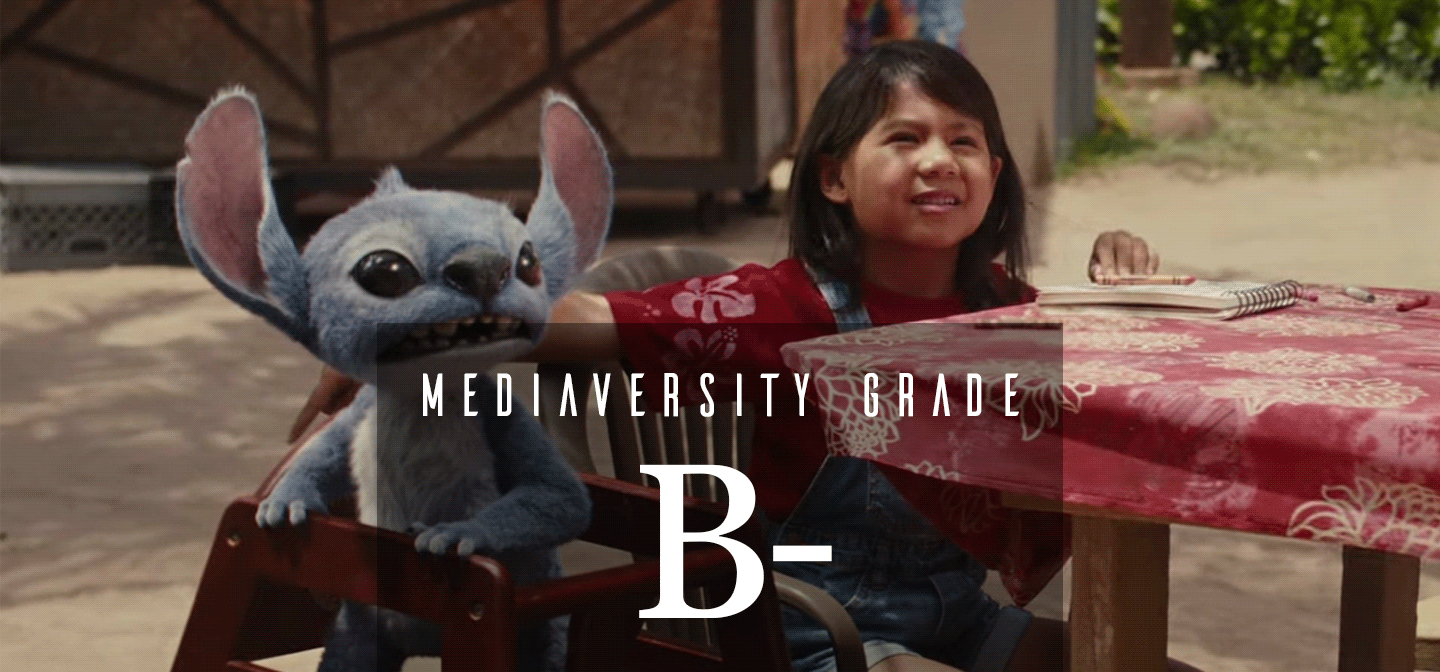
“The plot differs from the original Lilo & Stitch, and its new depiction of foster care in Native contexts has uncomfortable implications.”
Title: Lilo & Stitch (2025)
Director: Dean Fleischer Camp 👨🏼🇺🇸
Writer: Chris Kekaniokalani Bright 👨🏽🇺🇸 and Mike Van Waes 👨🏼🇺🇸
Reviewed by Clint Worthington 👨🏼🌈🇺🇸
Technical: 2.75/5
Disney's ongoing project to remake its animated features in live action is, at best, a dicey prospect. Lilo & Stitch is no exception: The 2002 original is beloved by fans and is one of the last, best examples of hand-drawn animation the studio put out before its transition to CGI. To its credit, Dean Fleischer Camp's reinterpretation feels indebted to its source material—in some ways, a little too indebted.
Camp's naturalistic approach works best when the chaotic alien Stitch (voiced by Chris Sanders, who directed and voiced Stitch in the original) leaves the slick, overdesigned CG space setting in the opener for the beaches and forests of Hawaiʻi. Stich’s photorealistic fur and expressive face fit right alongside the handheld camerawork and toned-down lighting of its setting. And the performances at its center are charming enough, including Maia Kealoha as the adorable Lilo, whose breathless innocence makes the moments of pathos hit ever harder.
But it's hard not to compare this to the animated version, especially as the script rehashes and remixes the 2002 story in ways that only dull the personality and shatter the film's pacing. Entire characters are either excised or repurposed. (Jumba was previously a side antagonist; here, voiced by Zach Galifianakis, the script streamlines things so he's the real baddie.) The film rushes from setpiece to setpiece. The animated version was lush and patient; this hyperactive remake feels frivolous, despite being an entire half hour longer than its source material.
Gender: 4.5/5
Does it pass the Bechdel Test? YES
At its core, Lilo & Stitch is a story about sisterhood and the way Stitch's presence complicates the relationship between Lilo and her older sister/guardian, Nani (Sydney Elizebeth Agudong). Their bond feels wholesome and layered, drawn from affection and hardship, especially as Nani struggles to care for Lilo in the wake of their parents' death. They also get support from other women in their community, like Tūtū (Amy Hill) and Nani's social worker, Mrs. Kekoa (Tia Carrere), with little interest or interference from men. However, Nani’s story feels watered down, and her dilemma around how best to take care of Lilo can teeter toward selfishness.
Male characters are present, but incredibly secondary: alien scientists Jumba and Pleakley (Billy Magnussen) are antagonists, as is ex-CIA agent Cobra Bubbles (Courtney B. Vance). Nani's love interest, David (Kaipo Dudoit), serves largely as background support for Nani, Lilo, and Stitch.
Race: 4/5
Lilo & Stitch remains a celebration of Native Hawaiian life and culture, and its cast is majority Native Hawaiian or Asian American. Cobra Bubbles is played by a Black actor (Vance), and Hill is Japanese American, but actors of Native Hawaiian descent play all other major roles. David is a fire dancer, characters go surfing, and concepts like ʻohana (family) are discussed at length and woven into the fabric of the story without feeling stereotypical or caricatured.
However, the film's new depiction of foster care in Native contexts has uncomfortable implications. Where the original allows Lilo to stay with Nani and her ʻohana, the remake shows Nani going off to start a career in marine biology, leaving Lilo in the care of other guardians. It's a strange move, one that flies in the face of the story's family-oriented themes. Despite being unintentional, it also makes unfortunate parallels to the history of Native Hawaiian children being taken away from their families to be reeducated and assimilated into white culture. While that's not strictly what happens here, and the film takes pains to show that alien technology never keeps Nani far from Lilo in a practical sense, it does complicate both the characters' journeys and the Native themes it purports to celebrate.
Finally, while the two villains are technically aliens, they are played by the only two white actors of note in the film. Jumba and Pleakley spend much of their screentime not knowing how to navigate the Earthly spaces they're in—which, intriguingly, mirrors the awkwardness white people often experience moving through nonwhite spaces in real life.
Mediaversity Grade: B- 3.75/5
Lilo & Stitch’s nature as a live-action remake feels a little soulless, presenting as repackaged, reheated leftovers of a well-regarded classic. Still, it's undeniable that the film offers much-needed Native Hawaiian representation in an age where that remains exceedingly rare. Some of the characters' decisions, particularly at the end, may touch on sensitive histories for Native Hawaiians. But at its core, it's a heartwarming story about family, sisterhood, and culture. These good intentions (and some impressive visual effects) take the film a long way.
Like Lilo & Stitch? Try these other family-friendly remakes.
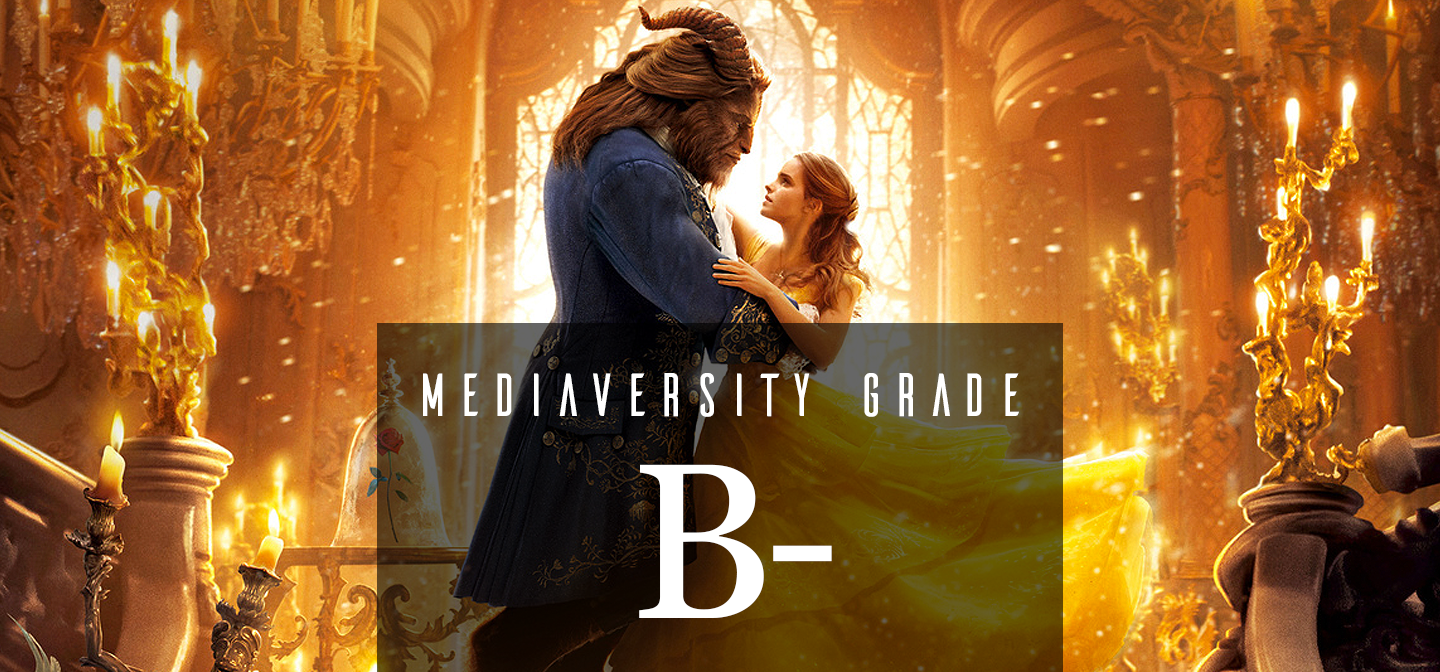
Beauty and the Beast (2017)
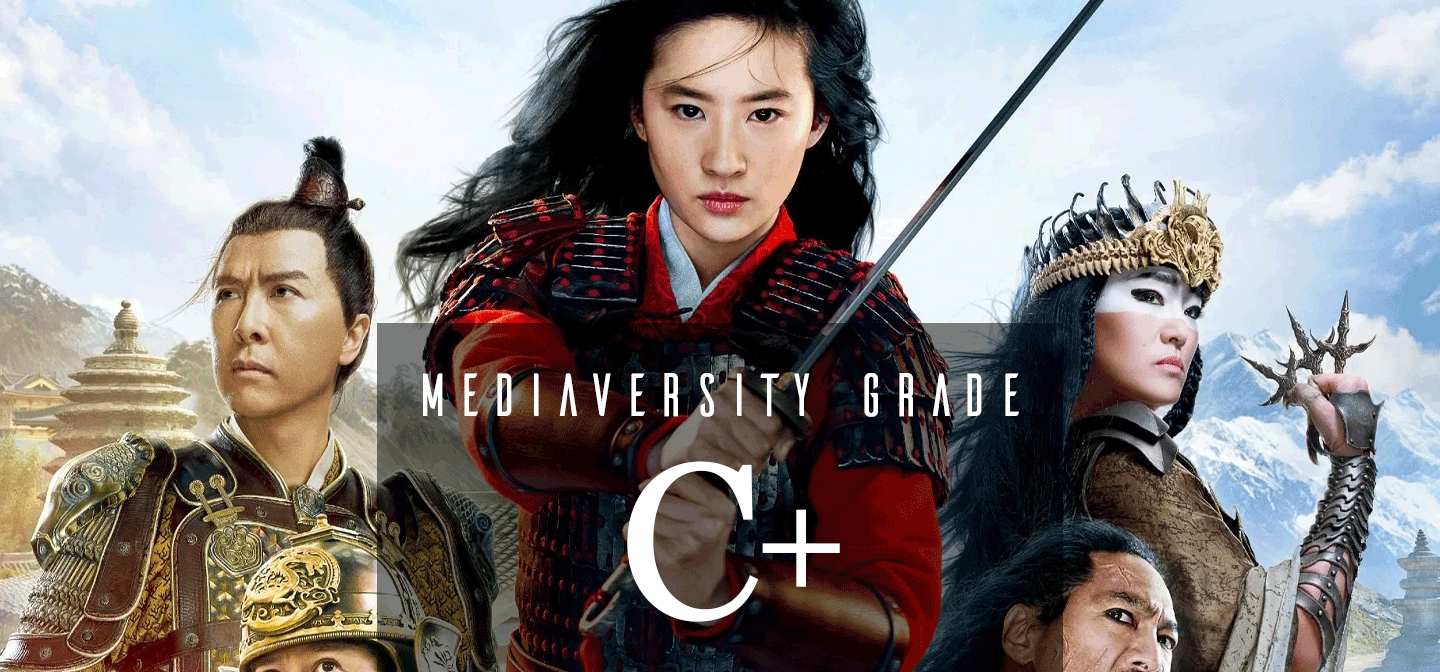
Mulan (2020)
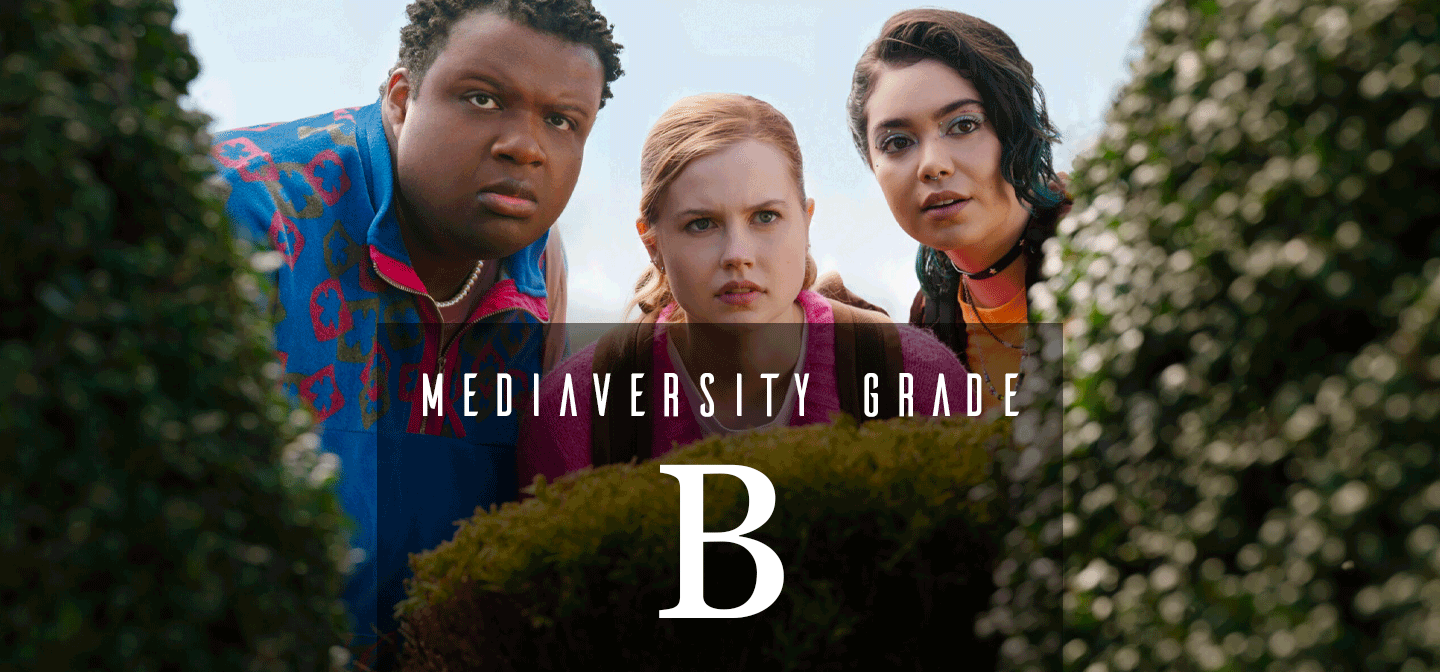
Mean Girls (2024)