
A Nice Indian Boy
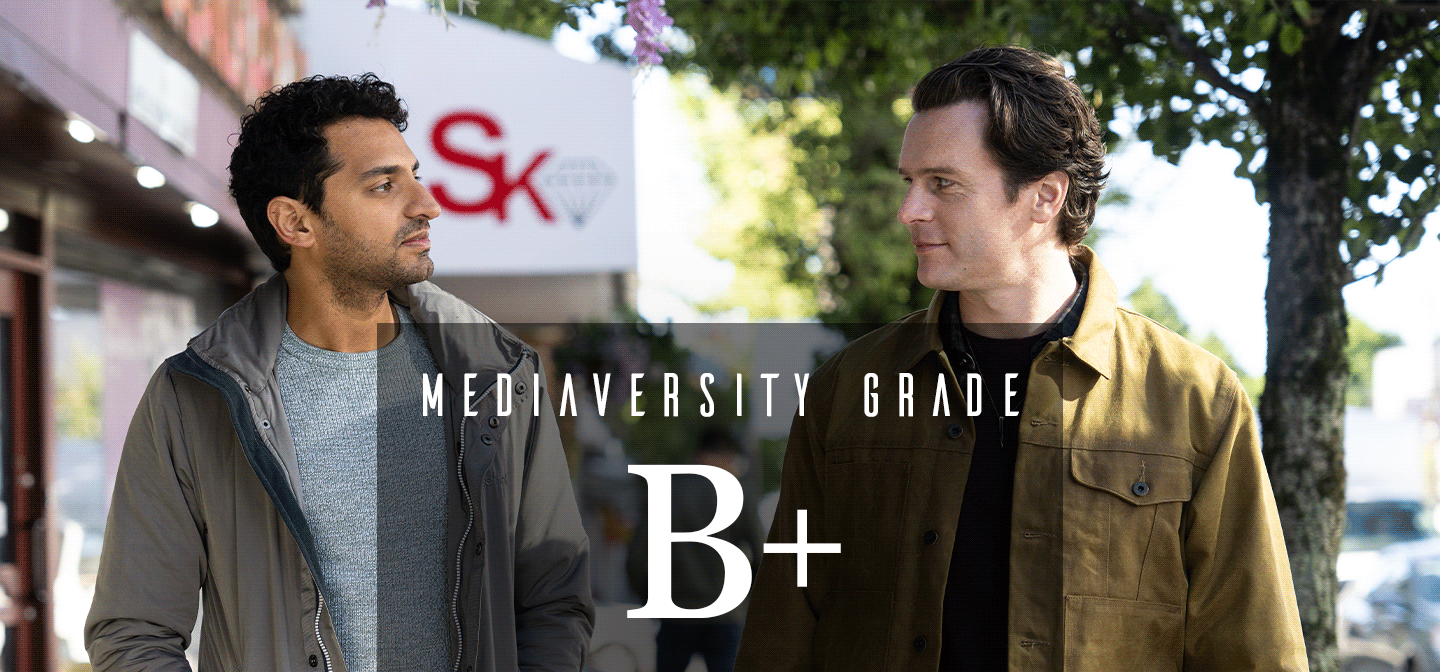
“Familiar references and attention to detail make A Nice Indian Boy feel authentically Indian despite being set in the West.”
Title: A Nice Indian Boy (2025)
Director: Roshan Sethi 👨🏽🇨🇦🌈
Writers: Screenplay by Eric Randall 👨🏼🇺🇸 based on the play by Madhuri Shekar 👩🏽🇺🇸
Reviewed by Ishmeet Nagpal 👩🏽🇮🇳🌈♿
Technical: 3.5/5
A meet-cute in a temple, a dramatic proposal, queer love with a healthy pinch of Bollywood thrown in—A Nice Indian Boy has all the ingredients of an enjoyable rom-com. Based on Madhuri Shekar’s play of the same name, this film is of the diaspora, by the diaspora, and (largely) for the diaspora. Yet marrying Hollywood tropes with the star-crossed angst of Bollywood romances takes some navigating, which A Nice Indian Boy does rather well.
On the one hand, the beautiful and immersive first half has excellent pacing and comedy. But then the second half alternates unconvincingly between relationship conflicts and references to the massively popular film Dilwale Dulhaniya Le Jayenge (DDLJ). Awkward product placements also break the illusion. Overall, the film delivers a somewhat uneven but joyful story of two men navigating their queerness and Indian-ness, punctuated by aptly selected, upbeat songs.
Gender: 3/5
Does it pass the Bechdel Test? NOPE
Despite the film positioning the male lead’s sister as a narrator, A Nice Indian Boy is, of course, about said “boy.” This isn’t a woman’s story—it’s a romance between two men. That being said, women aren’t entirely ignored. Storylines include a mother and daughter who try to heal their relationship; a woman who wants a divorce and stands her ground despite parental pressure; and a complicated sibling relationship that unfolds in the background of the central romance. Women have their space in the plot. It just isn’t driven by them.
Race: 5/5
The Indian family at the centre of this film feels familiar and authentic. Protagonist Naveen (Karan Soni) represents the gay men raised by immigrant parents who are liberal enough to accept their sons, but who still have trouble communicating their emotions. Even Naveen’s love interest, a white adoptee named Jay (Jonathan Groff), is essentially Indian, thanks to his upbringing. The film stays true to typical Indian family dynamics and to the diaspora’s delicate balance between Indian and Western cultures.
You know a director is comfortable with the material when even stereotypes are made into an advantage, leveraged for humor. Even a minor character, “Masterji”/Wedding Planner (Dhirendra) had me in splits because he reminded me keenly of the authoritative Uncles who run weddings in India. Like so many of these Uncles, Masterji is styled with gold chains and a permanent bluetooth earpiece (into which he unleashes a regular barrage of expletives). His quirks make him real and fun to watch. Such familiar references and attention to detail make the movie feel authentically Indian despite being set in the West.
Bonus for LGBTQ: +1.00
A Nice Indian Boy focuses on the love story between Naveen and Jay. They date, they fight, they make grand romantic gestures, and lean into their inner Bollywood-ness together. They dream of having an Indian wedding and are eventually supported by their family in the endeavor, despite some clumsy questions like, “Which one of you is the bride?” The movie deserves its flowers for showing two men getting married in a Hindu wedding—a scene brave enough to have caused the Indian film certification body, CBFC, to remove the scene in India and demand to remove the word “Indian” from the movie’s title.
Mediaversity Grade: B+ 4.17/5
Soni and Groff have an easy, instant chemistry that gives A Nice Indian Boy a rewatchable quality. While parts of the film drag and some conflicts feel hurriedly patched up just to reach the climax, these are minor issues. The film has heart and tailors its tropes to give the audience a fun experience. Watch the movie if only to witness Groff singing Lata Mangeshkar’s endless “Lalalalalala”s to perfection as he serenades a delightfully uncomfortable Soni.
Like A Nice Indian Boy? Try these other titles featuring romance and culture clash.
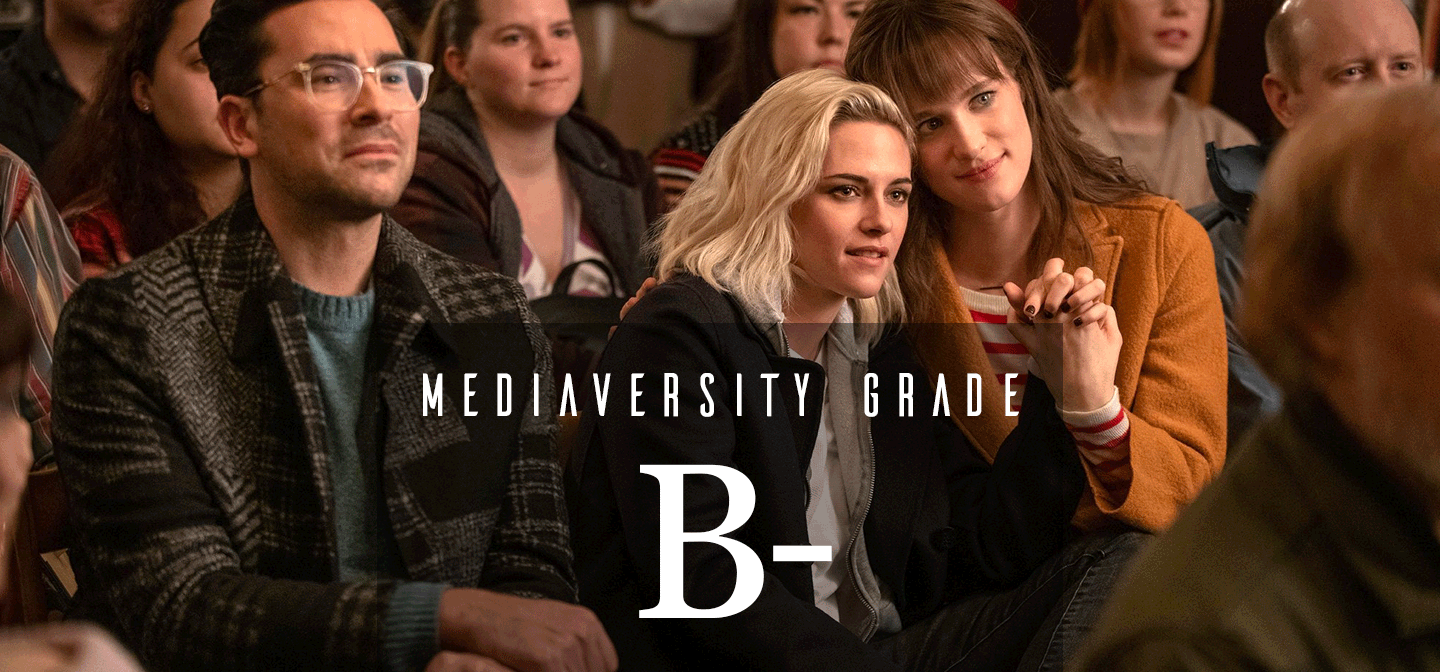
Happiest Season (2020)
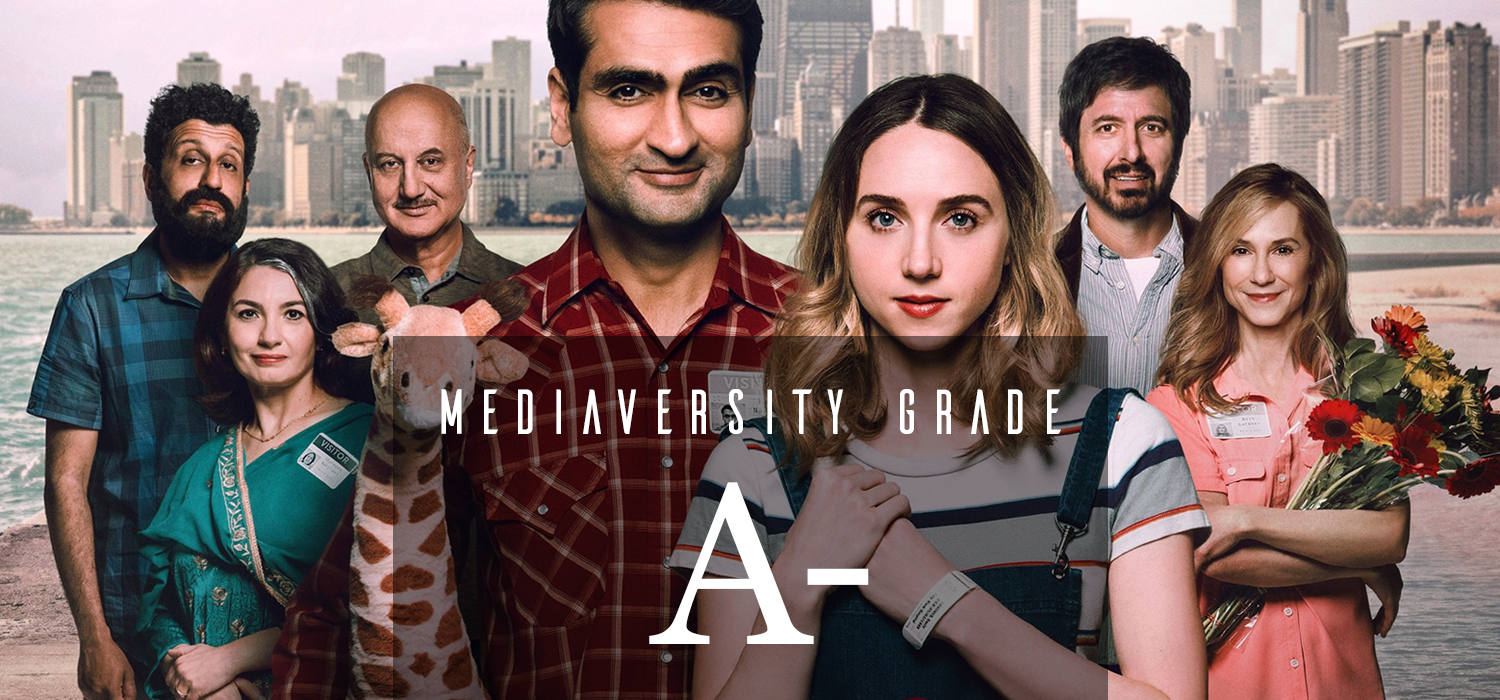
The Big Sick (2017)

The Wedding Banquet (2025)