
Gen V
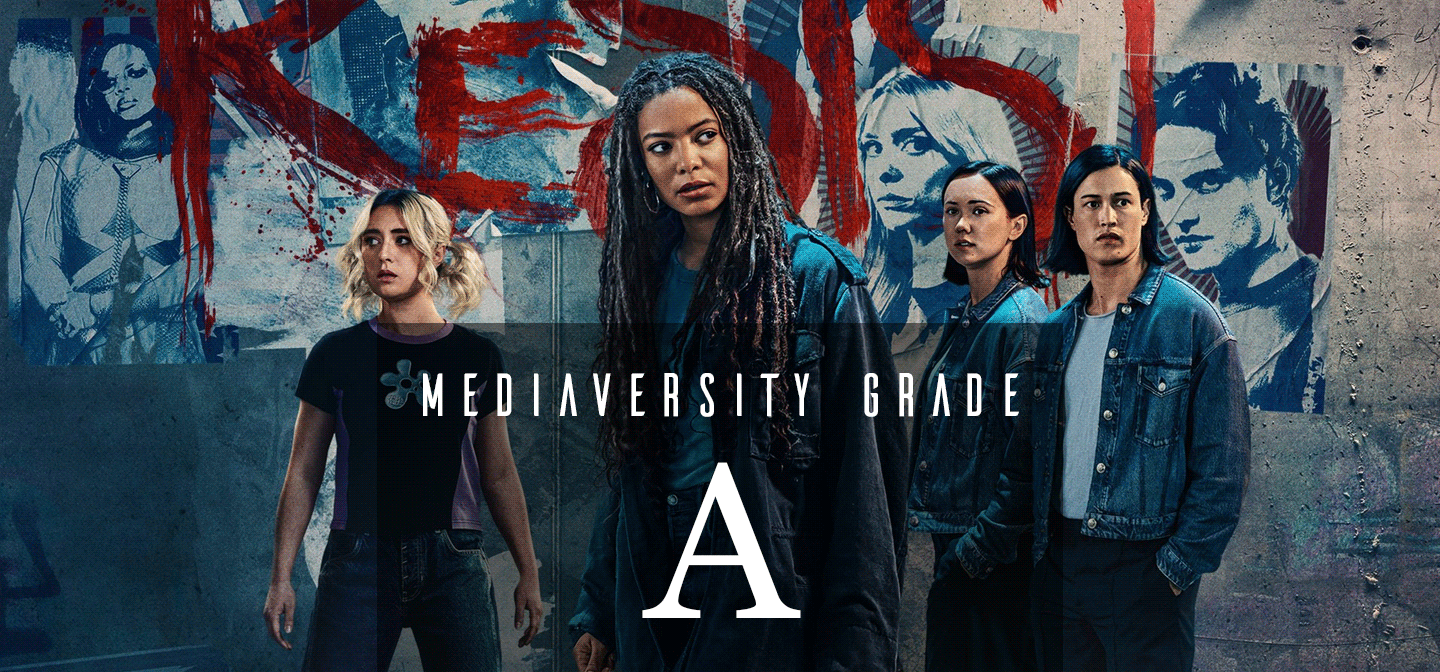
“Compared to the white-centric world of The Boys, spin-off Gen V is a breath of fresh air.”
Title: Gen V
Episodes Reviewed: Seasons 1-2
Creators: Eric Kripke 👨🏼🇺🇸, Craig Rosenberg 👨🏼🇦🇺, and Evan Goldberg 👨🏼🇨🇦
Writers: Brant Englestein 👨🏼🇺🇸(3 episodes), Jessica Chou 👩🏻🇺🇸(2 episodes), Lauren Greer 👩🏼🇺🇸(2 episodes), Chelsea Grate 👩🏾🇺🇸(2 episodes), and others
Reviewed by Sam 🧑🏻🇺🇸🌈
—SPOILERS AHEAD—
Technical: 4/5
Set in the gory world of The Boys, Prime Video’s Gen V has secured its status as a wildly popular young adult superhero show. While it owes some of its success to Eric Kripke’s original anti-superhero series, this action-fueled drama is more than just a cheap spin-off.
Gen V follows a group of students at cutthroat Godolkin University, where Marie Moreau’s (Jaz Sinclair) emerging blood-manipulating powers put her reluctantly in the spotlight. Season 1 walks the perfect line of referencing the wider universe while providing unique stories and distinctive characters for newcomers to get invested in.
Unfortunately, Season 2 devotes much of its runtime to mere setup for The Boys’ final season. The GodU storylines take a back seat, reducing the show’s focus on character development. However, Gen V has no doubt set the standard for superhero-related series seeking to bring young, fresh voices to the forefront of the genre.
Gender: 4.5/5
Does it pass the Bechdel Test? YES
Gen V has a women-led cast, and both showrunners—Tara Butters and Michele Fazekas—are women. With a gender-balanced writer’s room, the show does a good job of developing its female characters. As the lead, Marie gets the most extensive character arc. Gen V focuses on her family background and charts her internal struggles as she suddenly skyrockets in popularity. Other female characters include Emma Meyer (Lizzie Broadway), a superhero who can grow and shrink. Emma and Marie’s bond as roommates and friends honestly depicts female friendships, as they express care and support for each other while each making mistakes.
Another great female character is Cate (Maddie Phillips), who can read and manipulate people’s minds. In Season 1, her story takes an unexpected twist, adding complexity to her role. But in Season 2, she becomes completely powerless and loses what made her such a compelling character in the first place. One can only hope that, if greenlit for a third season, Gen V can right this ship.
Race: 5/5
Marie is portrayed by biracial Black and white actor Jaz Sinclair. Other key players include element-bending superhero Andre Anderson, played by Afro-Latino Chance Perdomo, who tragically passed away (as did his character in the series). But Andre’s storyline continues with his similarly superpowered father, Polarity (Black actor Sean Patrick Thomas). Additionally, Asian American superhero Jordan Li, whose superpower is the ability to switch their gender, is portrayed by multiracial (Derek Luh) and Korean American (London Thor) actors.
The series also takes a thoughtful approach to discussing race. For example, it consistently critiques tokenism. Because Andre, Marie, and Jordan rank highest on the student leaderboard, GodU consistently highlights them to demonstrate the school’s inclusivity. However, the administration ignores how much harder they have to work than their white counterparts to get to the same place—bragging about their successful students of color while refusing to acknowledge the systemic barriers those students face (and are unfairly expected to overcome on their own).
LGBTQ: 4.75/5
Gen V proudly includes LGBTQ characters in main roles. Showrunner Fazeks identifies as a lesbian, and her influence shines through. Andre and Marie are both bisexual, with Andre’s sexuality implied through his romantic interest in both men and women. Meanwhile, Marie’s bisexuality is thoroughly explored through her relationship with Jordan.
In addition to being queer, Jordan also identifies as bigender and uses they/them pronouns. Throughout the series, they repeatedly struggle with what their gender identity means to them as a superhero. The show also considers how being Asian American affects their experience outside of the gender binary by highlighting Jordan’s conflict with their parents wanting them to be a boy.
Jordan’s gender fluidity is essential to their character, and their superpower is shifting between their “girl” and “boy” forms (Thor and Luh, respectively), each with different strengths. The show frames the ability to transition as an asset, thereby portraying gender nonconformity in a positive light. However, Jordan’s character has also received criticism for being played by two cisgender actors rather than someone who is genderqueer. As a result, Jordan doesn’t present an “accurate” depiction of bigender identity, but their story is still an appreciated, creative take on gender fluidity.
Bonus for Disability: +0.50
Set on a college campus, Gen V incorporates mental health issues that young adults frequently face. Emma struggles with an eating disorder, Marie initially relies on self-harm to harness her blood-manipulating abilities, and Sam (Asa Germann), a test subject with superhuman strength, struggles with schizophrenia and hallucinations. The series patiently follows each as they learn to use their powers without engaging in harmful behavior.
For the most part, the show tackles these topics sensitively, but it leaves out a lot of the support systems available to people on recovery journeys. Therapy and medication, for example, are key tools that bring relief to many. Still, neither is shown in Gen V. Additionally, Gen V occasionally downplays mental illness. Sam’s hallucinations are sometimes played for humor, sensationalizing schizophrenia rather than empathizing with the people who have it.
Mediaversity Grade: A 4.69/5
Compared to the white-centric world of The Boys, Gen V is a breath of fresh air. By focusing on the experiences of women, people of color, and queer folks, this series conveys that anyone can be a superhero.
As The Boys wraps up its final season, fans are waiting to see whether Gen V will score a renewal. Hopefully, these gender-bending (and blood-bending) heroes will stick around for a few more seasons.
Like Gen V? Try these other ensemble superhero titles.
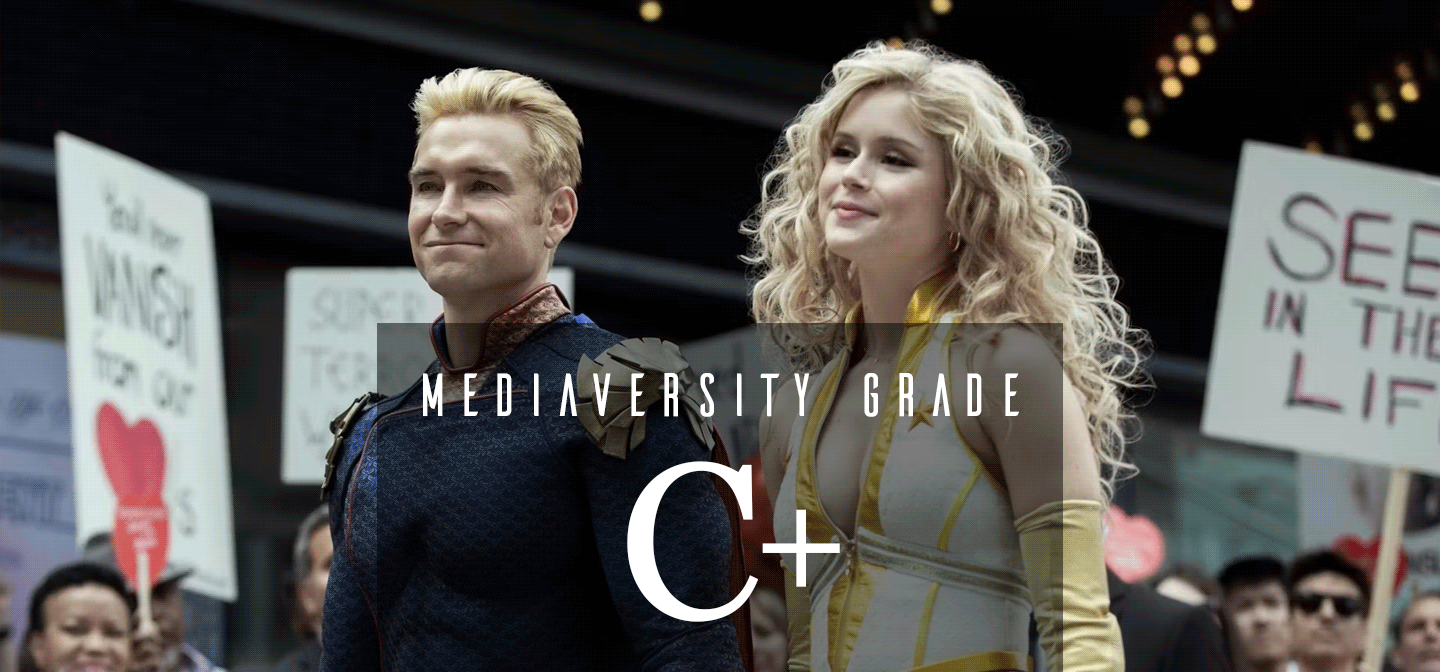
The Boys - Seasons 1-3
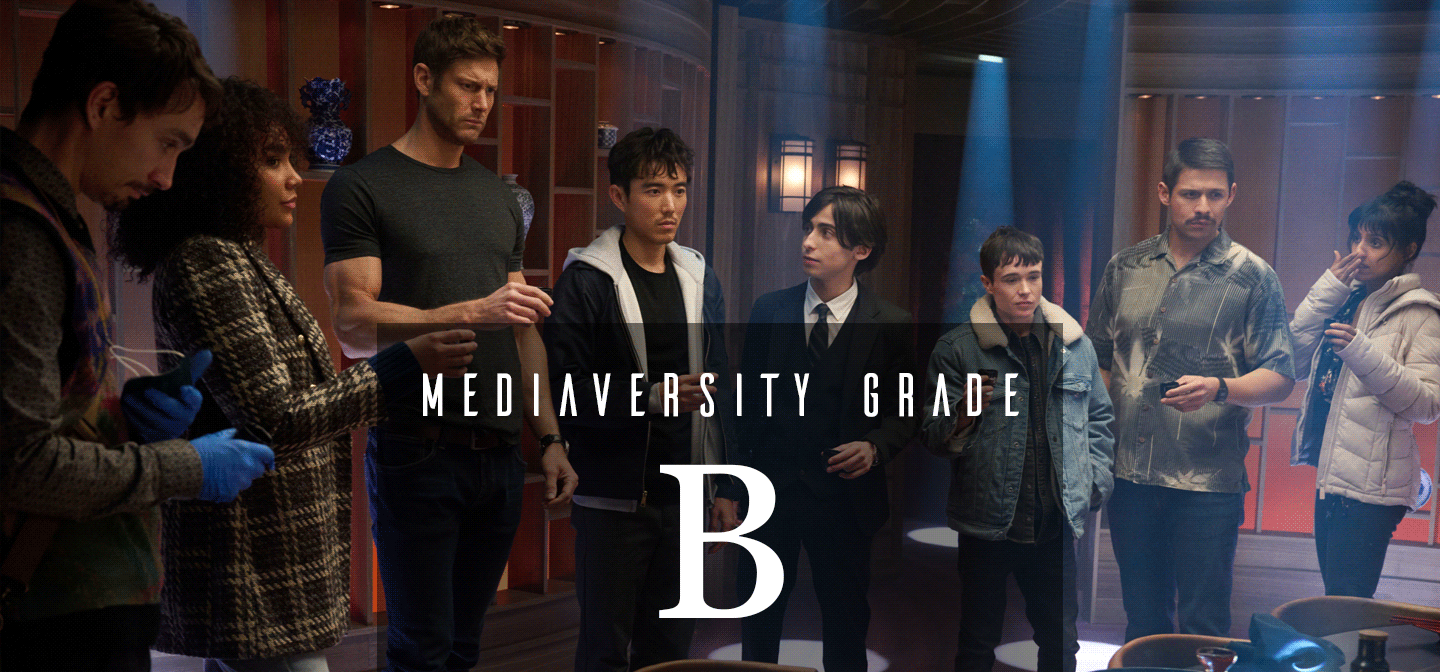
The Umbrella Academy
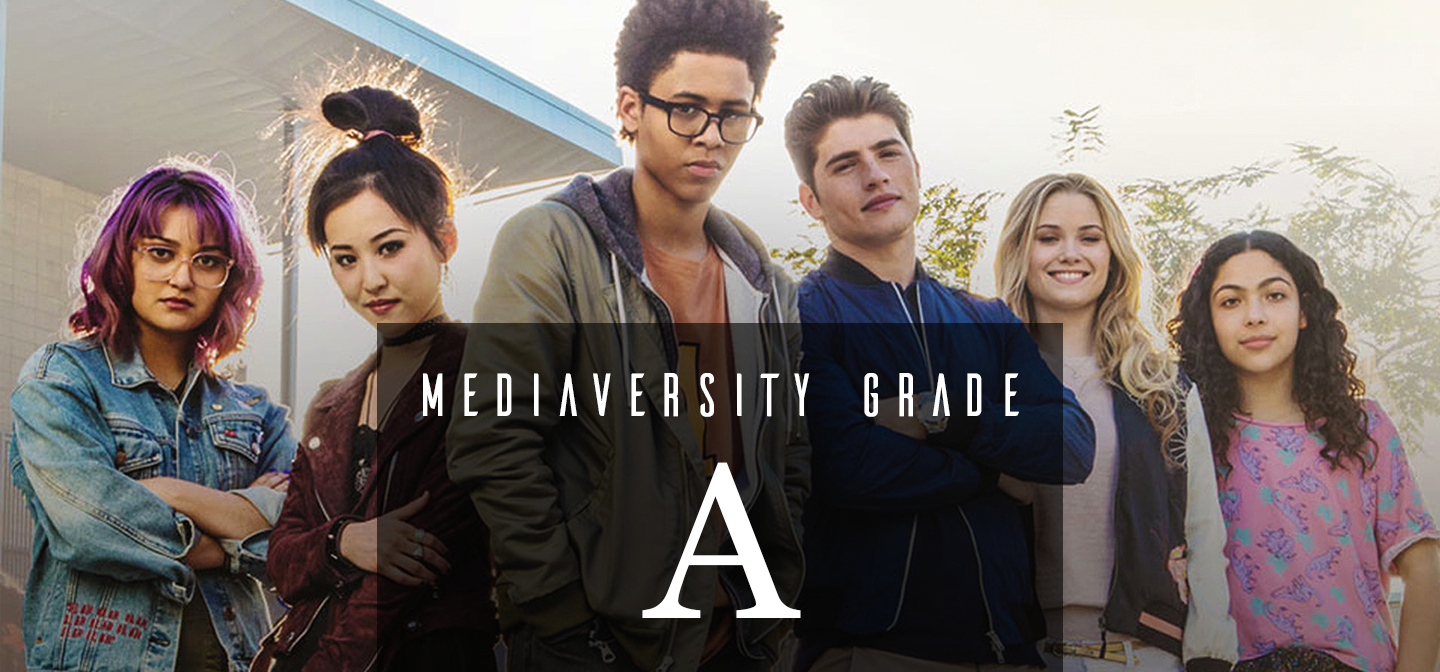
Marvel’s Runaways - Season 1