
Is God Is
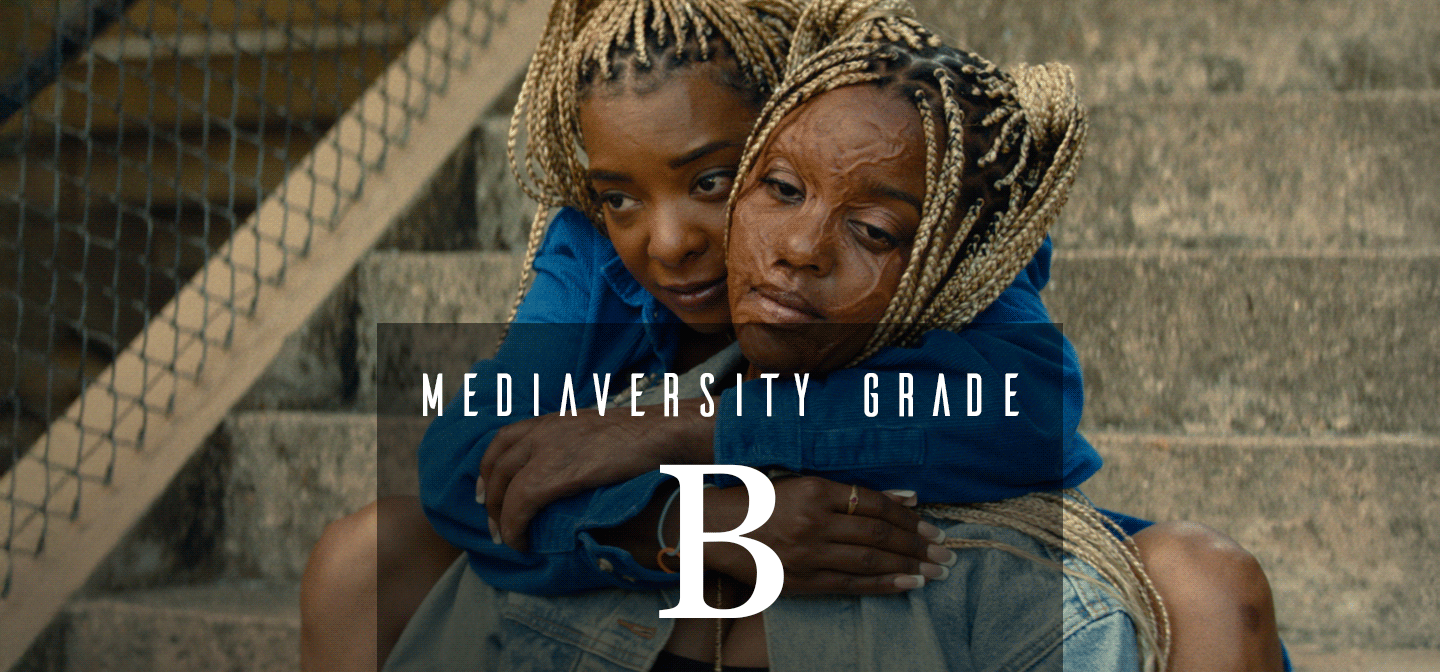
“Is God Is shows that Black disabled women are still deserving of feeling beautiful and pampered.”
Title: Is God Is (2026)
Director: Aleshea Harris 👩🏾🇺🇸
Writer: Aleshea Harris 👩🏾🇺🇸
Reviewed by Carolyn Hinds 👩🏾🇧🇧🇨🇦♿️
—SPOILERS AHEAD—
Technical: 3.25/5
Oh, to be a Black woman allowed to fully embrace her rage for the men who seek to destroy her. This sentiment feels core to Is God Is, the engrossing, unconventional, and disturbing revenge thriller from first-time filmmaker Aleshea Harris. It’s also a sentiment that many will find relatable.
Adapted from her 2016 stage play of the same name, Is God Is follows fraternal twin sisters Anaia and Racine, played by Mallori Johnson and Kara Young, respectively. They’re young women who, after years of violent abuse, rejection, and discrimination, are given permission to release their pain on the one who started it all: their father (credited only as “Man” and played menacingly by Sterling K. Brown).
Believing their mother, Ruby (Vivica Fox), to be dead after the Man set her on fire and left her and his daughters to burn, Racine and Anaia are shocked to receive a letter summoning them to Ruby’s bedside in Tennessee. Thus begins a road trip in the blazing summer heat that takes them across the Northeast to the American South in their beat-up Cadillac. When they reach Ruby, they find her covered in extensive burn scars as she’s tended to by Black female caretakers. Ruby explains that she wrote to them because she’s dying and has a wish she’d like them to fulfill: to kill their father. “Make him dead,” she says. “Real dead.”
Johnson and Young do extremely well as the leads, giving emotional and physical performances that convey everything from apathy to abject rage. They also portray fraternal twins well; as one myself, it’s important for me to see twins shown as individuals, each with their own personalities and thought processes. One might be extroverted, and the other, introverted. Twins can also look completely different. Harris made sure that these juxtapositions were evident, with Anaia, the taller, more cautious sibling, compared to Racine, who’s shorter and more volatile.
The cinematography also adds some bells and whistles. A desaturated color palette contrasts interestingly with the characters’ heightened emotions and violent actions. Yet the Black cast remains beautifully lit in all their different shades of brown and skin textures. Another well-executed visual device is the onscreen text that shows Racine and Anaia’s “twin telepathy,” or the silent conversations they have with each other, which provide much of the film’s comedic moments.
Ultimately, Harris makes an impressive debut and implicitly understands that, when it comes to depicting violence against historically oppressed groups (such as Black people), “Less is more.” It’s too bad, then, that Is God Is makes one major stumble. Rather than illuminating the solidarity and understanding that exists between Black women, the characters demonstrate animosity and resentment towards one another. Yes, Harris rightly points to patriarchy, white supremacy, and corrupt systems as the originators of such ugly outcomes. Even still, the film’s many scenes of internalized misogynoir that go uninterrogated left me feeling uneasy.
Gender: 3/5
Does it pass the Bechdel Test? YES
Women are front and center in Is God Is, with practically every scene dominated by female characters speaking to one another. On occasion, women also speak to men, such as Chuck Hall (Mykelti Williamson), the lawyer who represented the Man in court—and who ominously cautions the girls against letting vengeance consume them, because there’s no telling where the blood will land. It’s a warning to be heeded.
These interactions already set the film apart by showing the good, the bad, and the ugly ways in which female relationships can manifest. But therein lies one of the causes for disquiet.
On the face of it, it’s completely understandable for Ruby to want revenge against the Man, who ended Ruby’s life as she knew it and separated her from her children. But what does it say that her thirst for revenge outweighs her relationship with her daughters? Where’s the concern that asking two young Black women to become killers would almost certainly guarantee them life behind bars, or even death at their father’s hands?
One sequence clearly demonstrates this preoccupation with men over female healing. Having gotten the Man’s address from Chuck, Racine and Anaia arrive at their father’s home, which appears oasis-like in an open field. But inside, the Man’s oppressive nature taints everything. On the way to the house, Racine and Anaia run into his second wife, Angie (Janelle Monáe), who’s also been abused and is trying to escape. The twins refuse to tell Angie who they are, but when she realizes it anyway, the situation goes off the rails. Angie spits in Racine’s face, causing Racine to lose it, and the entire unfortunate scene ends with Racine violently beating Angie to death off camera as Anaia cowers in fright and tearfully begs her sister to stop. Racine, seeing Anaia’s state, once again shames her for being “too soft and weak.”
This entire sequence felt unnecessary. It betrays the central premise of women directing their anger at the men who do them harm. Instead, Angie lacks empathy for her stepdaughters, while Racine redirects her rage at another one of the Man’s female victims. Angie and Racine are never allowed to realise what they have in common. Even if it’s meant to be powerfully tragic, the scene doesn’t fully make sense; Angie and Racine’s conversation conveniently skips over lines that could’ve revealed the truth of the matter and forces a misunderstanding. More believable (and yes, cathartic) would’ve been a natural dialogue that resulted in Angie, Racine, and Anaia all getting the freedom and revenge they sought.
One other note that brings down this category score is Racine and Ruby’s constant denigration of Anaia’s emotional sensitivity. Black girls and women are rarely encouraged to embrace softer traits, such as empathy and self-compassion. The way we’re adultified from childhood leaves us very little time for innocence, both in real life and in fiction. I was hoping that this film would be an exception, but it sadly falls in line: Black girls and women aren’t allowed to be vulnerable. And when they are, like Anaia, they’re ridiculed for it.
Race: 5/5
Not content with all-Black leading and supporting characters, Is God Is also has representation behind the lens. Writer-director Harris and producers Janicza Bravo, Tessa Thompson, and Kenneth Yu, among others, form a core creative team that is ethnically diverse—still depressingly unusual for a wide-release film.
Is God Is also breaks ground for showing Black female fraternal twins. As mentioned, I’m one myself—the elder by two minutes—and it’s beyond rare for me to see this part of my identity reflected in a movie, especially with Anaia and Racine being dark-skinned, too. Their sibling dynamic provides the film’s much-needed moments of levity, like Anaia and Racine squabbling over who has to drive, or caring for each other’s skin and hair. But it’s for that reason that their more troubling interactions, fueled by Racine’s resentment over Anaia’s reluctance to embrace violence, are so jarring.
Bonus for Disability: +1.00
Because of the fire, Racine and Anaia have thick scar tissue on their bodies. Racine has scars along her chest and left arm, down to her hand (which is missing two fingers), while Anaia’s are more immediately visible, covering her face, neck, and parts of her chest.
The fire took place when they were just three years old, but much like the unseen emotional trauma, the burns create physical discomfort that still needs to be addressed. For the sisters, this means taking turns rubbing ice cubes along each other’s skin to soothe the aching. During these scenes, they quietly share their thoughts and secrets, like Anaia choosing to date a man who’s much older than her because he’s willing to be with her despite her scars, even if it has to be in secret.
For Ruby, whose whole body was burned, she wears custom burn garments dyed to match her skin tone and a special skull cap and wig. When Ruby’s caretakers braid her wig into long black plaits, just like her daughters’, it shows that Black disabled women are still deserving of feeling beautiful and pampered.
Mediaversity Grade: B 4.08/5
It’s always difficult to watch films about intimate partner violence, where vulnerable people are subjected to brutal acts by those who should be their protectors. But given the shocking, recent episodes of Black familicide over the last year, Is God Is feels timely, showing women and victims fighting back. The single-minded determination that Racine has in finding the Man and delivering justice is something that Black women wish the so-called justice system and media would take note of and act on. We wish that others felt as passionately as the sisters do to protect us.
As a revenge film, Is God Is has all of the righteous anger, grief, and confusion that comes with questioning why the world hates Black women and girls so much. Harris asks why it’s so easy to see us as objects to use and discard. But in a story with such necessary themes, Black women should be given the space to critique and question. For me, I wonder why Black women still have to fight, claw, break, and sacrifice our innocence—and that of one another’s—to escape the toxic cycles shown in Is God Is.
The way the film ends is bittersweet for me, because while I understand it from a creative and narrative perspective, my emotions were rubbed raw. Without giving too much away, I wondered, “Why this way? I get it, but still … why?” I suppose, though, this is what film is and should be. No story will completely please everyone.
Like Is God Is? Try these other Black-led thrillers.
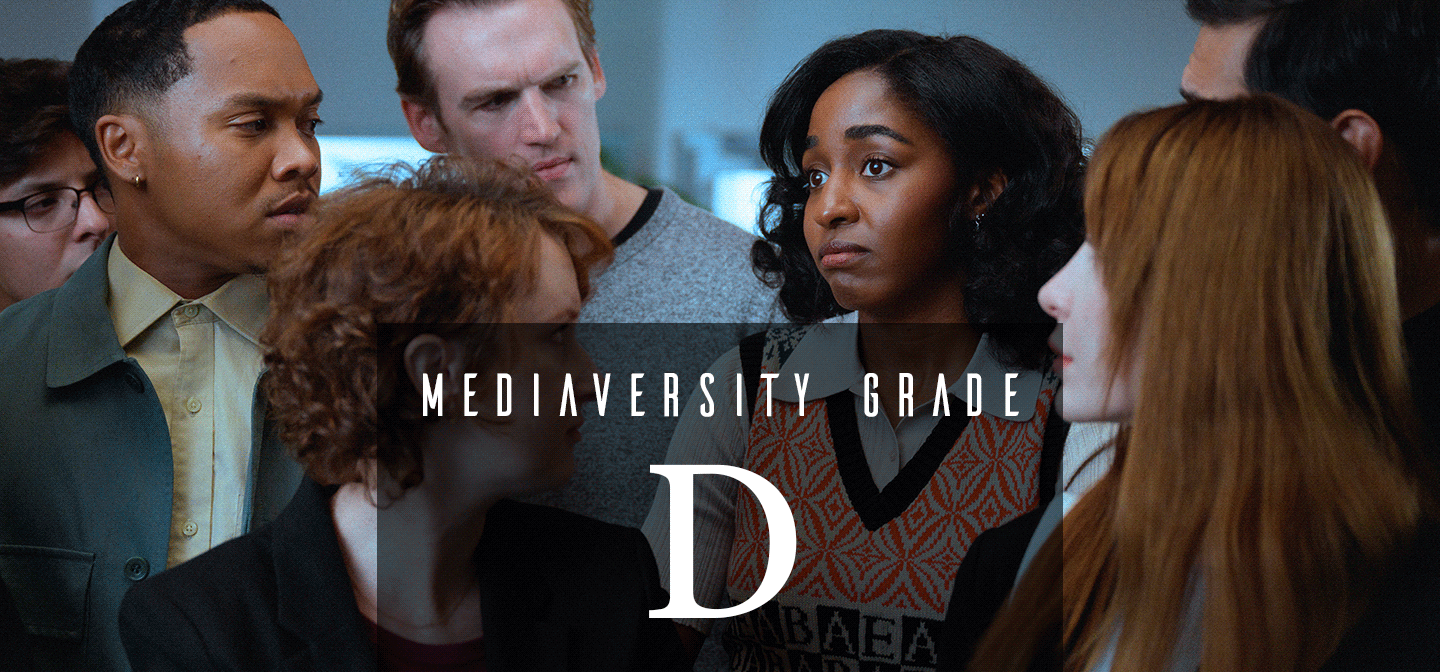
Opus (2025)
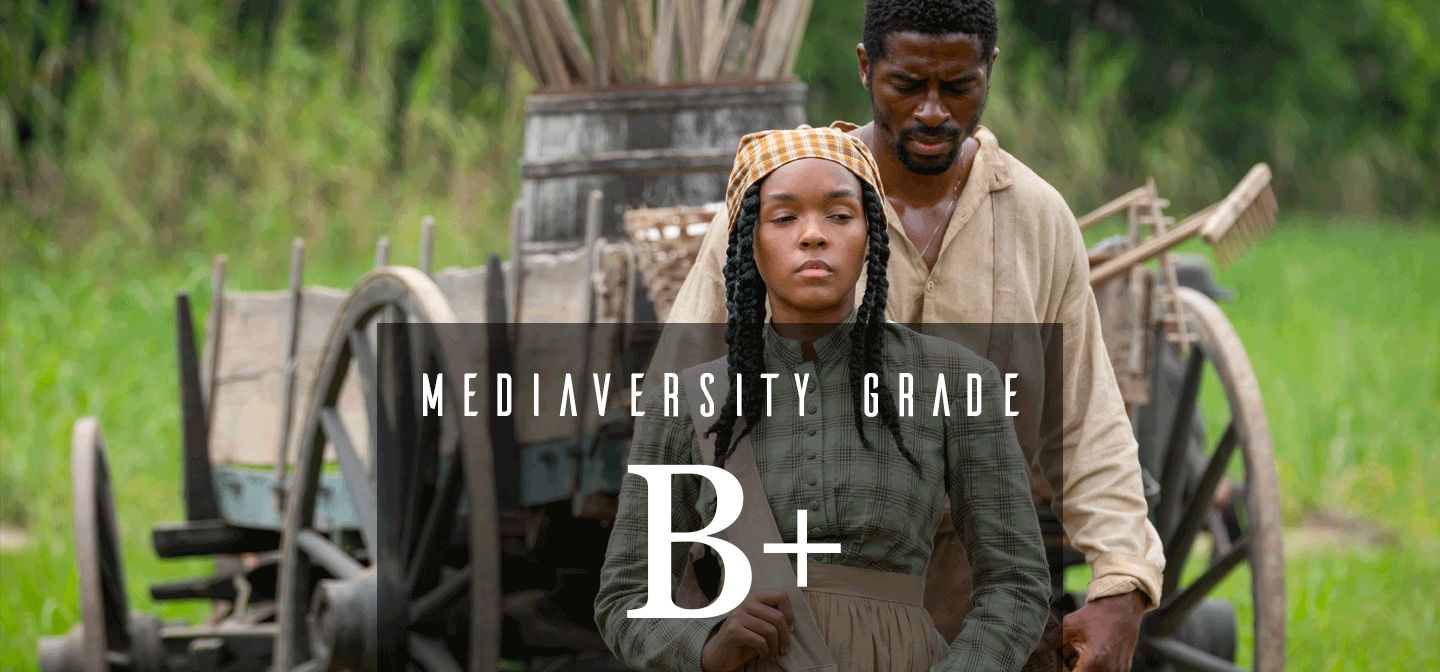
Antebellum (2020)
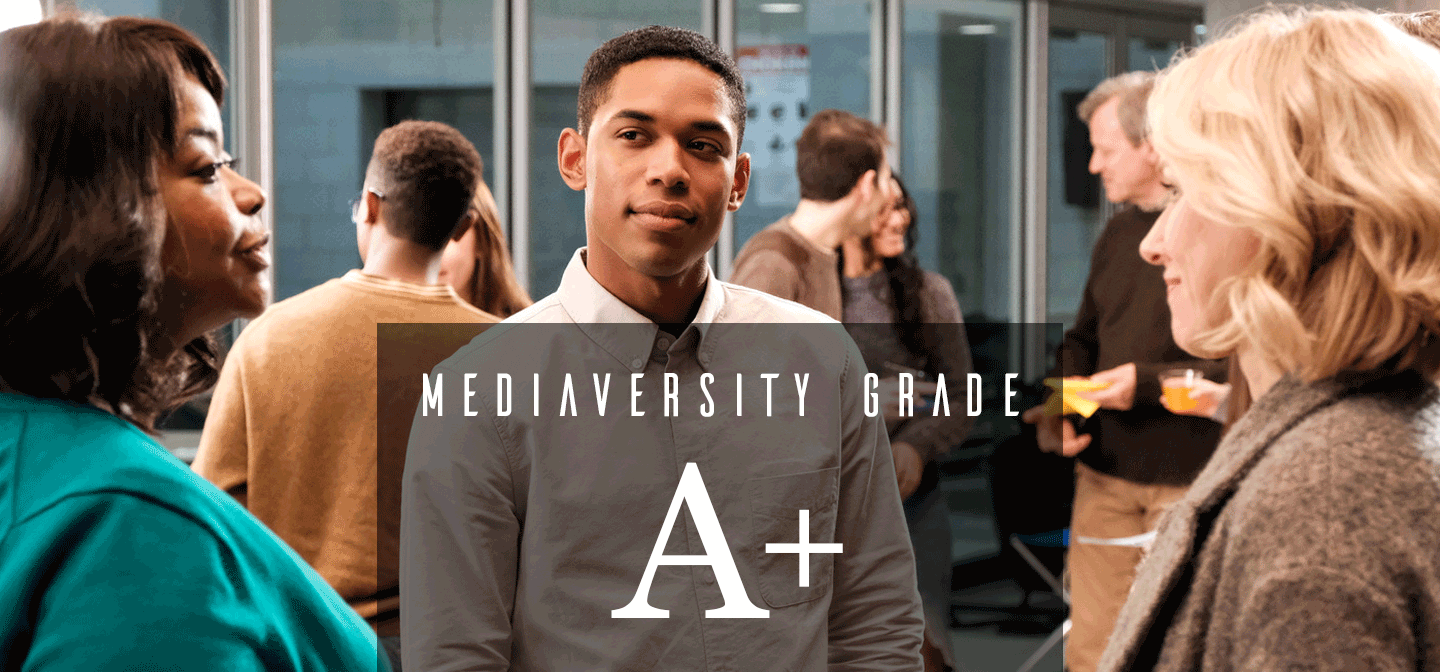
Luce (2019)