
Valentina
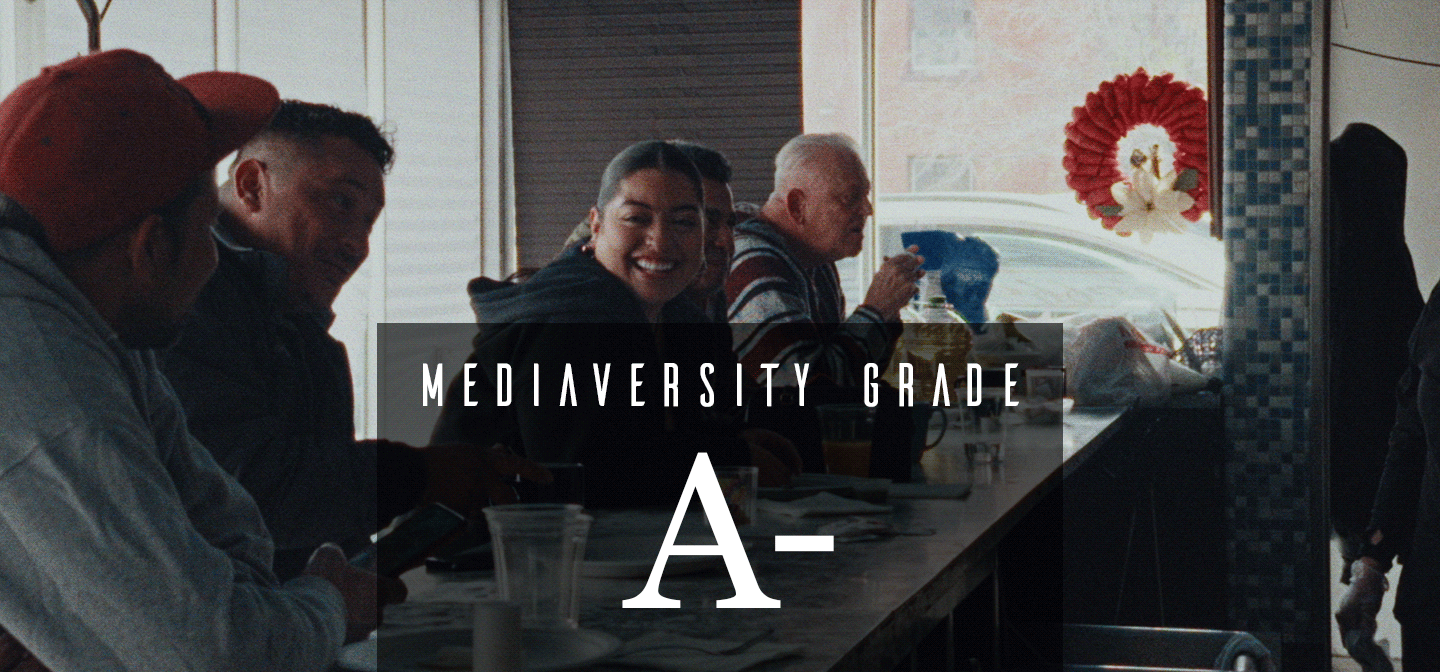
“Valentina effortlessly shows how ethnicity colors everyday life.”
Title: Valentina (2026)
Director: Tatti Ribeiro 👩🇺🇸
Writers: Tatti Ribeiro 👩🇺🇸 and Noelle Forougi 👩🇺🇸
Reviewed by Li 👩🏻🇺🇸
Technical: 3.75/5
Screening this afternoon at Seattle International Film Festival is the delightful Valentina, a hybrid narrative-documentary anchored by actor Keyla Monterroso Mejia. Audiences follow her character, Valentina Torres, as the young twenty-something navigates financial woes and family life at the El Paso-Juárez border. Director Tatti Ribeiro’s unhurried shots capture the area’s natural rhythms with a lo-fi quality that feels gritty, honest, and inviting. This isn’t a polished Hollywood story; it’s hanging out with your friend at a dinner party, or cracking jokes at a diner with the patrons seated around you. Authenticity races to the fore, probably because it’s literally authentic—most of the people you see in the film are non-professional actors who were unaware of the hidden cameras. Monterroso Mejia improvs with them, riffing incredibly well and delivering an appealing chemistry that carries the movie.
That said, it’s a lot to ask of these makeshift scenes to support an entire feature film. The banter and camaraderie are enjoyable, but without a stronger throughline, the pacing sags. More than once, I found myself wondering, “Where is this going?” Interspersed snippets of archival footage do pull together a central idea around immigration, but this goal of juxtaposing the United States’ immigration history with a lighthearted, stylish narrative never quite gels.
Still, these are minor stumbles in what’s otherwise a fresh addition to the ongoing conversation around immigration policy. The issue is no stranger to straightforward explorations, such as Netflix’s docuseries Immigration Nation (2020) or PBS’ Building the American Dream (2020). Even the hybrid docu-narrative style has been seen in The Infiltrators (2019), which shows a group of undocumented teens deliberately letting themselves be caught by ICE to expose the inhumane conditions of a Florida detention center.
Fast-forward five or six years, and Ribeiro successfully reads the current room, telling journalist Julian Soto at Mill Valley Film Festival, “People are really tired and politically fatigued, so we wanted to add levity and humor and show a really full dynamic.” On that front, Valentina wildly succeeds.
Gender: 4/5
Does it pass the Bechdel Test? YES
Valentina moves through a world populated mostly by men. Her main emotional ties involve her real-life brother, Nathan Monterroso, and her dad, Juan Carlos Monterroso, who play themselves. Ensemble scenes at a barbershop, or with a reenactment troupe in San Elizario, among several others, are all male-driven. Only a couple of scenes are more gender-balanced, such as one of Valentina’s gigs where she works for a woman at a corner shop, or at a dinner party with mixed guests.
But thanks to Monterroso Mejia’s magnetism (and lovable, booming laugh that shows off her molars), Valentina never gets lost in the crowd. And in the capable hands of female filmmaker Ribeiro, gender portrayals are well-rounded. You won’t find clichéd, Hollywood-manufactured behavior; the men on screen are uniformly respectful and easy in Valentina’s company, even as she jokes about wanting to get surgery for a Brazilian butt lift. Her father also subverts media portrayals of a Latino patriarch; rather than being stoic or macho, Juan Carlos has gotten into the performing arts, much to Valentina’s surprise (and skepticism), and he urges his kids to come see his play. These details present a broader range of Latino masculinity than what’s normally shown on screen.
Race: 5/5
Starring Guatemalan-Mexican American actor Monterroso Mejia, and set largely in El Paso (which was over 80% Hispanic in 2024), the film effortlessly shows how ethnicity colors everyday life. It informs the language Valentina speaks (or the Spanglish she toggles between), how she spends her money (a spiritual cleansing at a psychic), and the church she attends with her dad (Sacred Heart Catholic Church).
Valentina’s identity is also pleasantly contrasted with those of other Latinos. When Valentina sits in a diner and chats with newly arrived Venezuelan immigrants, she asks them what they think of the terms “Latinx” or “Latine.” The older man responds with genuine confusion, asking whether Latinx is “some kind of program.” The exchange is funny and unforced while revealing the way that Latinos can be worlds apart depending on age, gender, country of origin, and so on.
Perhaps influenced by Ribeiro’s own life as a child of immigrants, Valentina carries the kind of humor and nuance that many films about immigration accidentally flatten. It helps that Ribeiro and co-writer Noelle Forougi both covered immigration as journalists in El Paso, giving the film an insider’s feel for the border town’s complexities and quirks.
Bonus for Body Diversity: +0.50
Beyond Valentina’s joking desire for a butt lift, body diversity is never overtly addressed. But simply having a leading woman who doesn’t conform to the media’s narrowly thin ideal is worth noting. The film casts Monterroso Mejia for her immense charm and talents and gets on with it—exactly as it should be.
Mediaversity Grade: A- 4.42/5
Valentina’s loose, wandering structure might try the patience of some. But it’s by design; as Ribeiro puts it, her debut feature is meant to be “a plotless hangout,” inspired by the likes of Richard Linklater or Chloé Zhao. This modest exterior belies an exciting perspective—one that’s grounded and observant, yet cheeky with an entrancing score and Gen Z-style irreverence. If anything, Valentina is a knockout calling card that I hope opens many, many doors for Ribeiro and her team.
Like Valentina? Try these other titles set in El Paso or Texas.
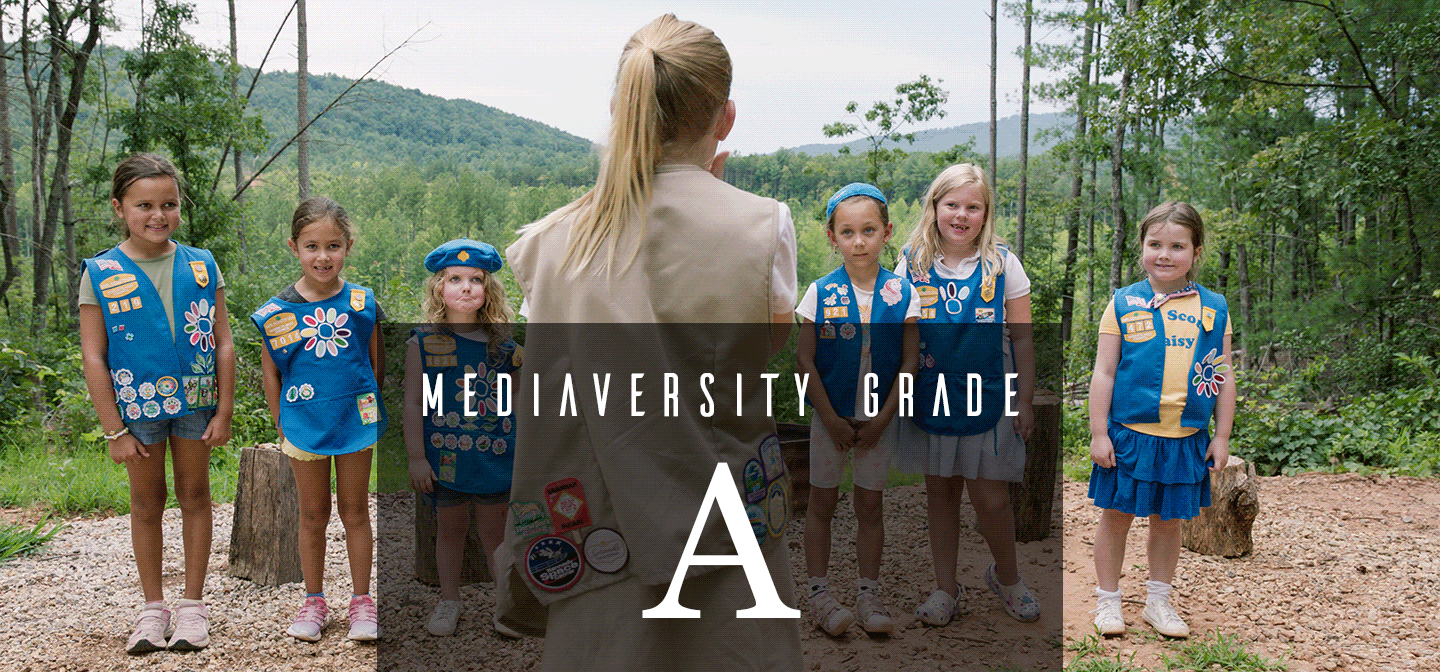
Cookie Queens (2026)
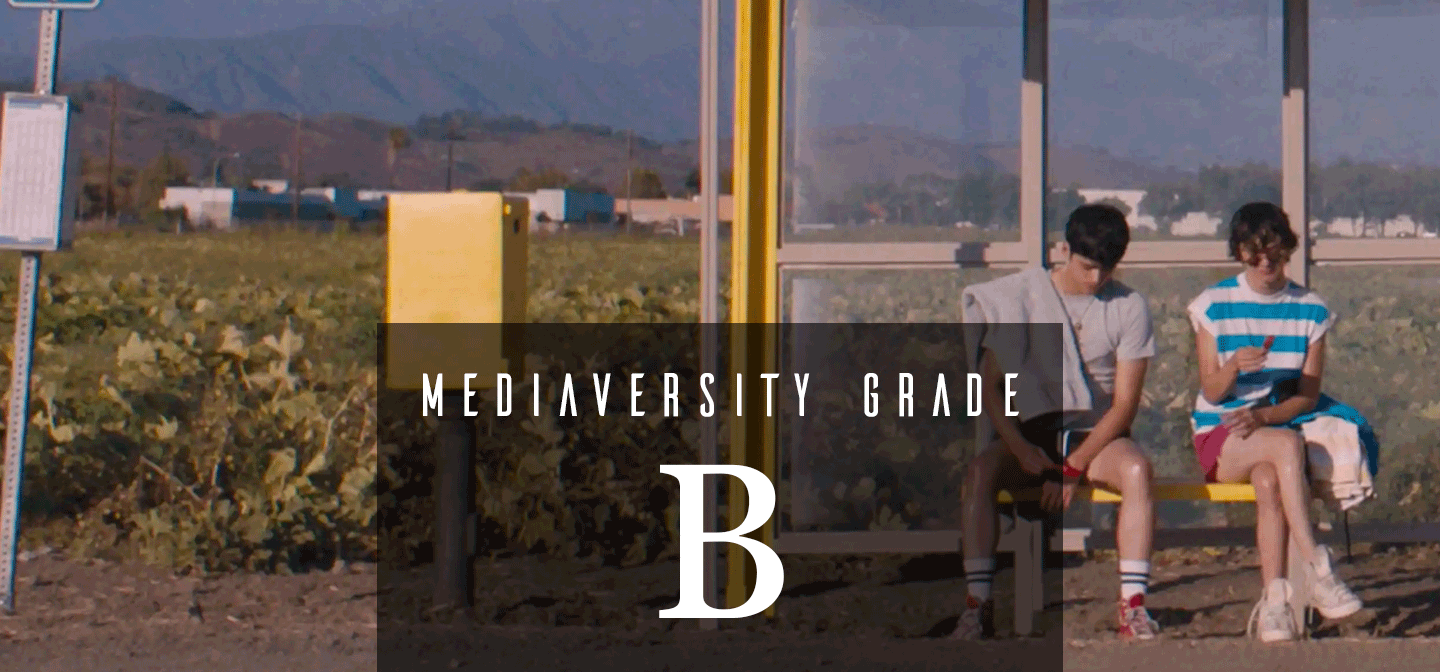
Aristotle and Dante Discover the Secrets of the Universe (2022)
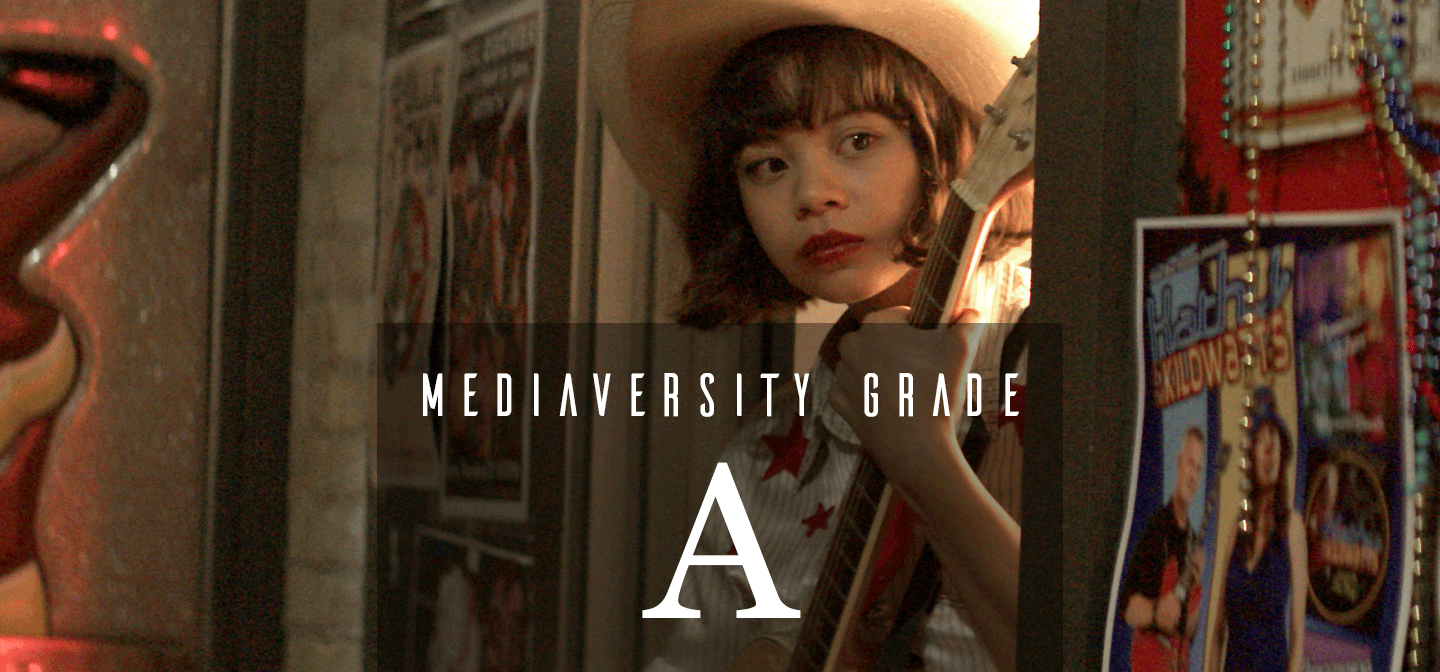
Yellow Rose (2019)