
Mortal Kombat II
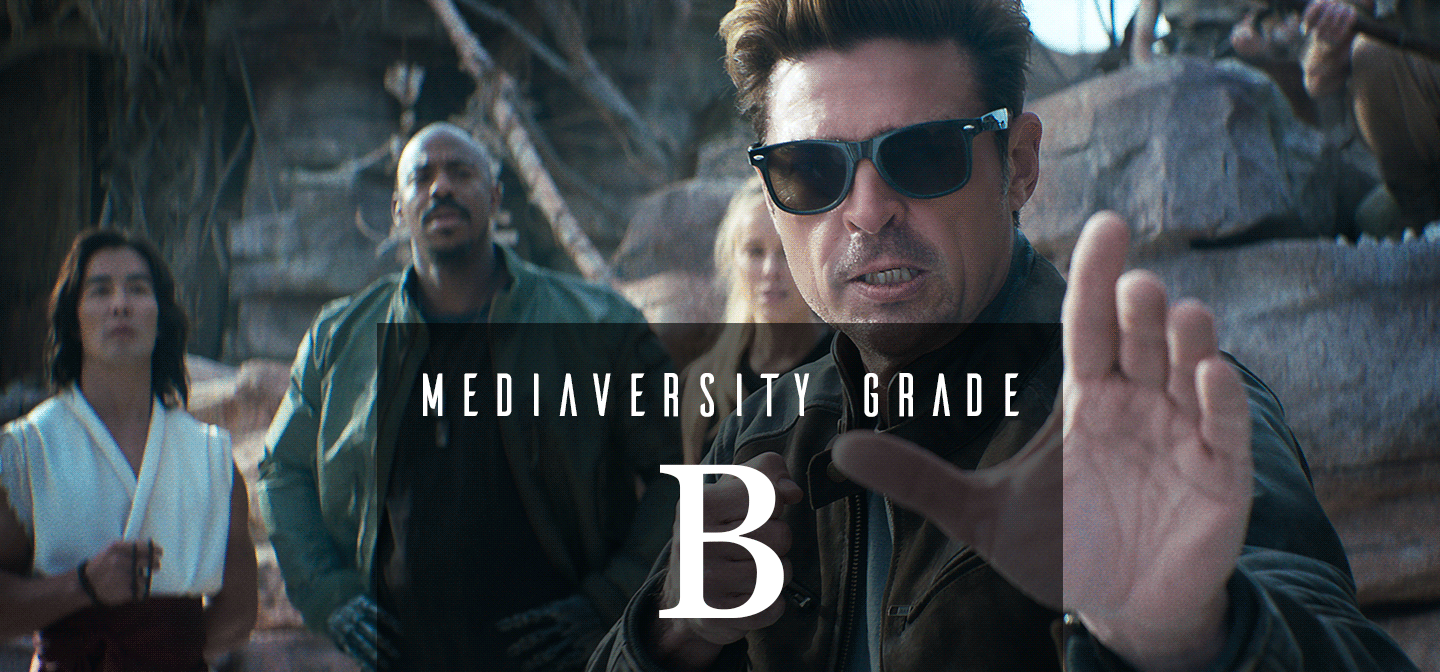
“Mortal Kombat II is a superficial but fun, gory blockbuster that doesn’t sacrifice inclusiveness.”
Title: Mortal Kombat II (2026)
Director: Simon McQuoid 👨🏼🇦🇺
Writers: Jeremy Slater 👨🏼🇺🇸 based on the video game by Ed Boon 👨🏼🇺🇸 and John Tobias 👨🏼🇺🇸
Reviewed by Li 👩🏻🇺🇸
Technical: 3.5/5
Four years after his Mortal Kombat (2021) feature debut, director Simon McQuoid returns—and delivers a huge improvement. No longer trying to take itself seriously, Mortal Kombat II injects some tongue-in-cheek humor that’s corny but keeps in the spirit of a throwback 1990s video game adaptation.
With the franchise’s tournament-style setup, the cast remains large with 10 fighters—5 “Earthrealm” heroes against the evil Shao Kahn (Martyn Ford) and his four delegates. But the characters are slightly more memorable this time around. Notably, the self-serving Kano (Josh Lawson) and his Aussie-inflected banter drew most of the theater’s chuckles. Newcomer Johnny Cage (Karl Urban) also provides comic relief, which comes off as more try-hard, but he still livens up the dialogue. Ultimately, these cheekier moments add interest to the film’s otherwise straightforward premise of adoptive daughter Kitana’s (Adeline Rudolph) revenge story against the brutal Shao Kahn.
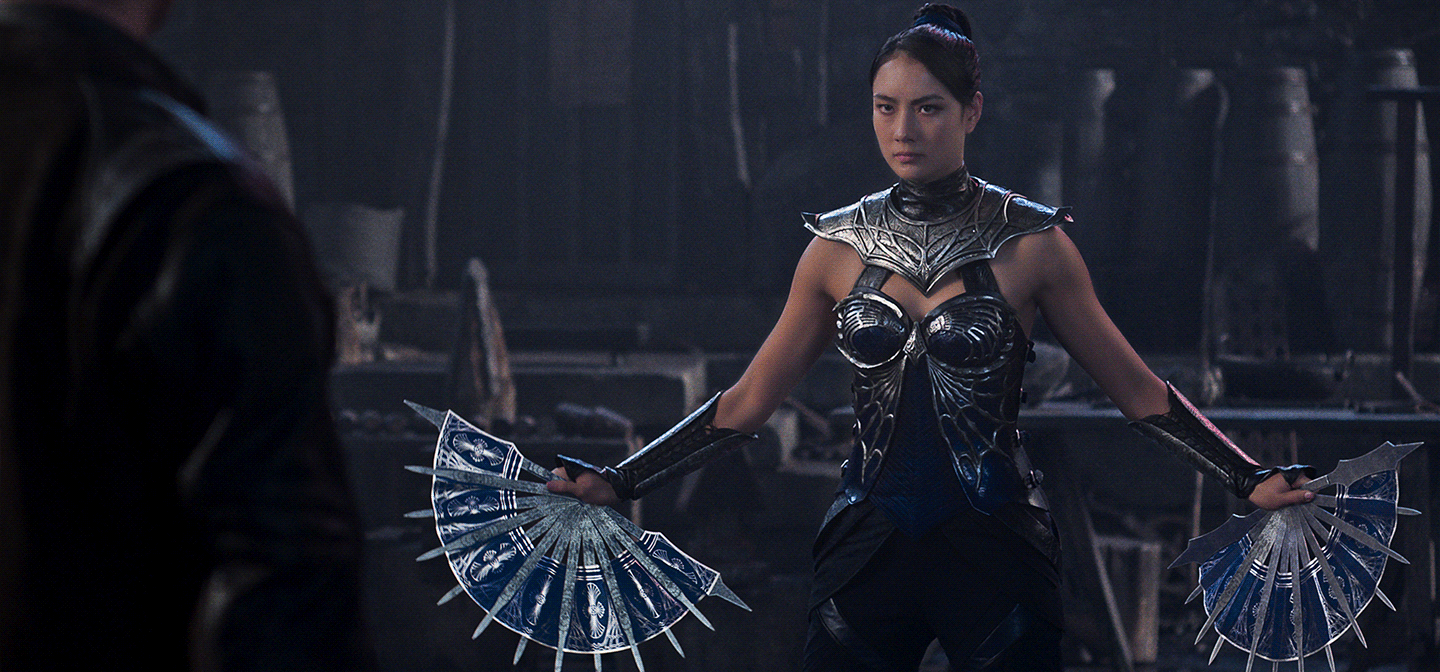
Kitana
Gender: 4/5
Does it pass the Bechdel Test? YES
The cast is majority male, and washed-up action hero Johnny is the main character. But it’s a close thing, with almost-as-important Kitana getting the lion’s share of the emotional story arc. Mortal Kombat II’s positive take on women begins right off the bat: Instead of the moms, girlfriends, and daughters who are usually sacrificed for a John Wick-style revenge arc, screenwriter Jeremy Slater flips the tired formula and kills off a dad so that his daughter, Kitana, gets to have a backstory.
In addition to Kitana, Sonya Blade (Jessica McNamee) has plenty of screen time as Earthrealm’s only female champion. She and another fighter on the opposing team, Jade (Tati Gabrielle), are powerful women with key fight scenes that move the story forward. Mortal Kombat II might not have gender representation by the numbers, but when it comes to balanced portrayals, it fares pretty well. It’s a joy to hear the audience root for Kitana as she faces off against her father’s murderer. Moreover, female fighters are portrayed respectfully and without hypersexualization—all too rare in video game adaptations that have historically commodified women.
Race: 4.25/5
Behind the camera, the writers and director are all white men. On screen, Johnny’s story arc falls into a tiresome trope of kickass women and people of color telling a mediocre white dude that he’s special—only for him to discover that he is, indeed, special.
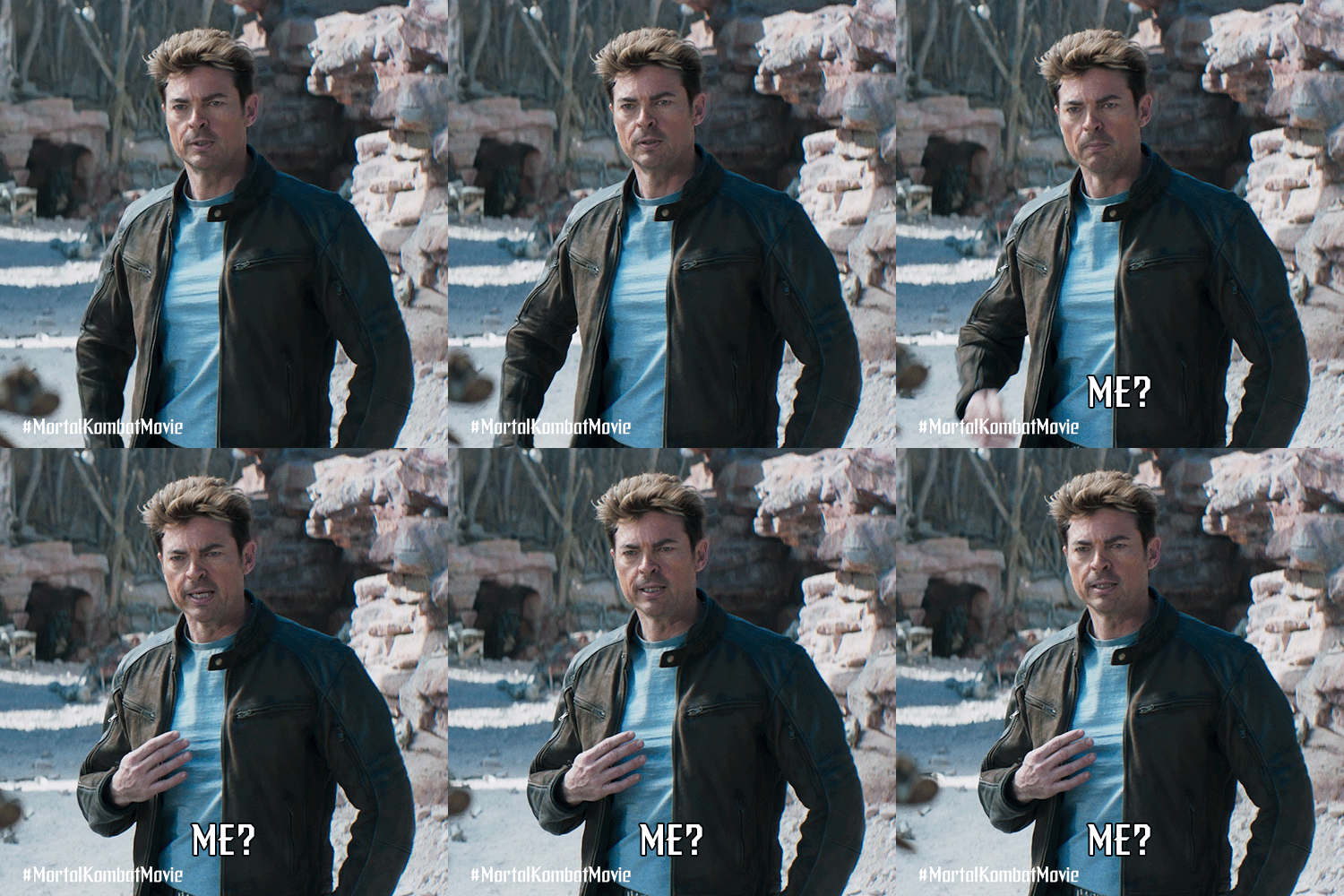
Johnny Cage
And the film avoids discussing race, preferring to group characters by their “realms,” thereby limiting racial representation to the depth of its casting. But casting is precisely where Mortal Kombat II shines.
The people you see on screen are incredibly diverse. In main roles, Kitana’s actor is German-Korean, Jade’s is Black-Korean, and Lord Raiden, who leads the Earthrealm champions, is played by Japanese actor Tadanobu Asano. In secondary roles, Earthrealm champions include Liu Kang (Ludi Lin, Chinese), Cole Young (Lewis Tan, Chinese-English), and Jax Briggs (Mehcad Brooks, African American). Fighter Scorpion (Hiroyuki Sanada) doesn’t have a huge part in the sequel, but for the scenes that Sanada is on screen, he commands the camera with a compelling mix of poise, gravitas, and humor. Ultimately, it just feels great to watch a big-budget movie led primarily by characters of color.
Mediaversity Grade: B 3.92/5
Mortal Kombat II doesn’t break down barriers or strike perfection in any respect. But it features powerful women and a racially diverse cast, making for a superficial but fun, gory summer blockbuster that doesn’t sacrifice inclusiveness.
Like Mortal Kombat II? Try these other titles centered on revenge arcs.
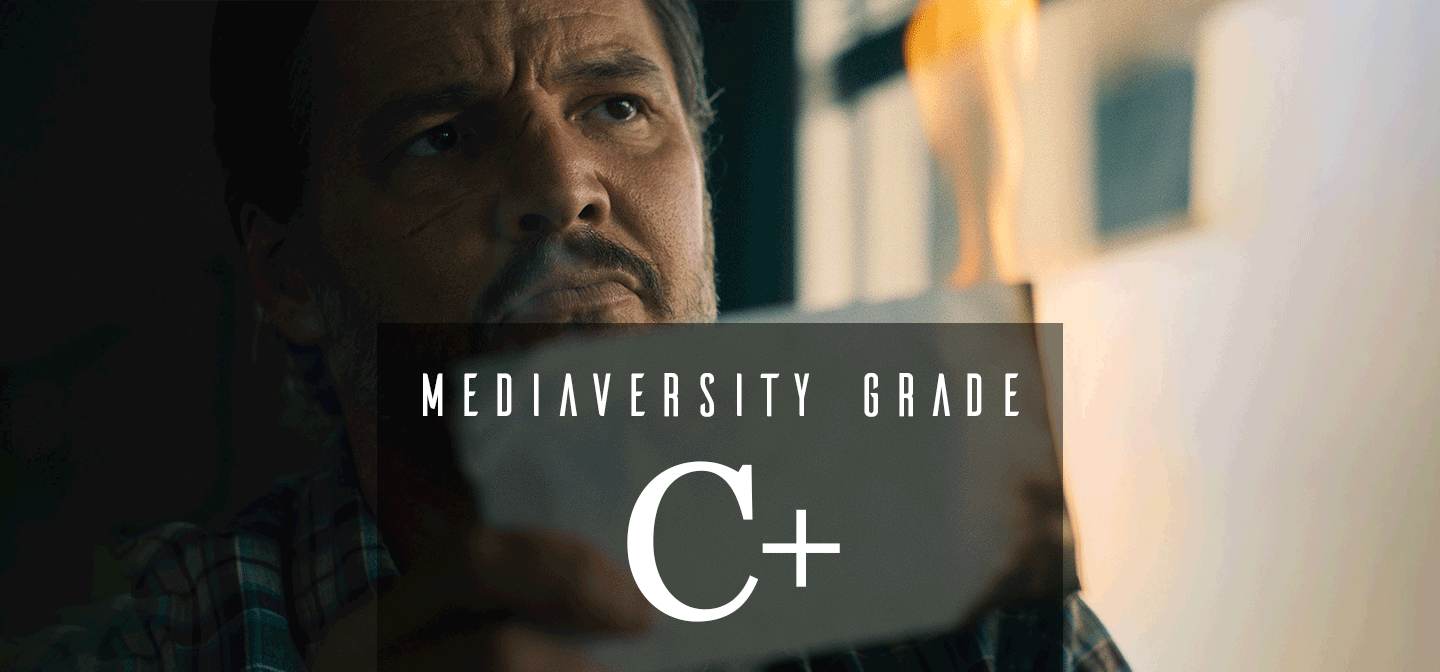
Freaky Tales (2024)
Violent Ends (2025)
Boy Kills World (2024)