
Frankenstein (2025)
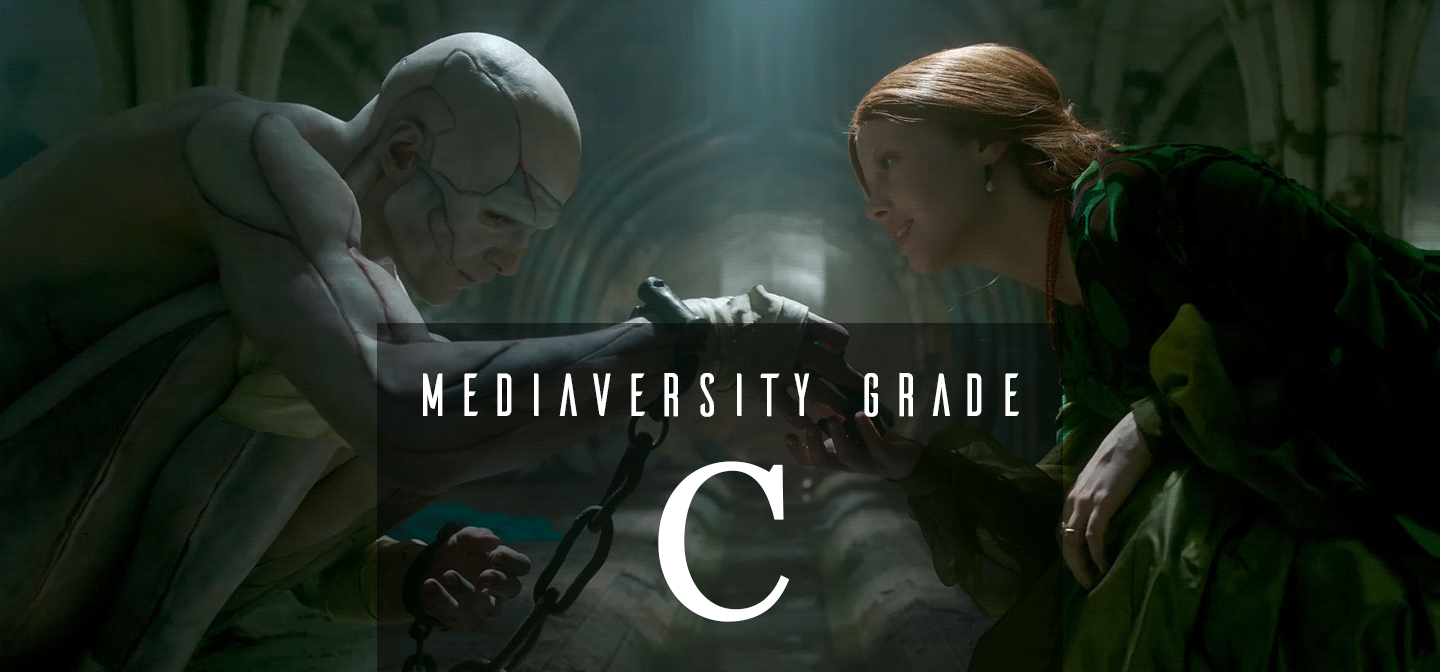
“One gets the feeling that Frankenstein was almost too close to Guillermo del Toro’s heart.”
Title: Frankenstein (2025)
Director: Guillermo del Toro 👨🏽🇲🇽
Writers: Screenplay by Guillermo del Toro 👨🏽🇲🇽 based on the novel by Mary Shelley 👩🏼🇬🇧
Reviewed by Anni Glissman 👩🏼🇺🇸🌈
—MAJOR SPOILERS AHEAD—
Technical: 4/5
At age 7, Guillermo del Toro saw James Whale’s Frankenstein (1931) for the first time. He described it as finding his religion: “‘That’s me. That’s my Lord.” At 11, he read Mary Shelley’s novel, Frankenstein; Or, The Modern Prometheus, and he wanted to make a film about it right then and there with his friends and a Super 8 camera.
It never happened. Instead, del Toro’s education and career progressed in a different direction, and he brought humanity to scores of other monsters: the vampire-grandfather in Cronos (1992), the Amphibian Man in The Shape of Water (2017), Hellboy (2004), and many more.
In the early 2000s, the director developed a version of Frankenstein that was going to be two movies: “The first was going to end with the Creature saying, ‘He has told you his story, now I will tell you mine.’ The second was the Creature.” That didn’t happen either.
Last year, del Toro finally got the chance to pen the epic love letter he had been waiting most of his life to write. Condensing his earlier idea into two chapters, rather than two films, the first is still told by Dr. Victor Frankenstein (Oscar Isaac), the mad scientist hellbent on creating an immortal man. The second chapter follows the doctor’s creation, referred to as the Creature (Jacob Elordi).
In watching Frankenstein, del Toro’s deep reverence for the source material is clear. His Creature is nuanced and stunning in his grotesqueness. On the other hand, Victor lacks the same depth, and the film suffers for it. One gets the feeling that this project was almost too close to del Toro’s heart—that his love for this particular monster is so wrapped up in childhood wonder, he could not help but play favorites.
Visually, Frankenstein is a work of art, and its writing is sharp and often devastating. It’s sumptuously shot and meticulously styled, from its sweeping Arctic tundra and rugged Scottish beach to Elizabeth’s (Mia Goth) jaw-dropping, beetle-inspired silk ballgowns. It would be easy for such lavish production value to overpower the story. Instead, del Toro is disciplined with his choices, and each breathtaking detail adds another rich layer to the world.
Goth is strong as Elizabeth, and Elordi gives one of the finest performances of his career. We watch the Creature shift from naiveté to heartbreaking clarity as he, bit by devastating bit, uncovers that he will never truly belong with anyone. Unfortunately, Isaac’s Victor is not just unlikable—he’s a hopeless, petulant manchild. Victor inappropriately lusts after his brother’s fiancée, Elizabeth, with little regard for the fact that his feelings are unrequited. When he utters one of his few redeeming lines at the end of the film—“while you are alive, what recourse do you have but to live”—his Creature’s forgiveness feels rushed and unearned.
Gender: 2.5/5
Does it pass the Bechdel Test? NOPE
While Elizabeth is sharp, compassionate, and assertive, she is confined by Victor’s narrow lens. One of only two women we see in Victor’s life, Elizabeth is joined by Victor’s beloved mother, Claire Frankenstein, who dies while giving birth to Victor’s younger brother, William (Felix Kammerer). Notably, Claire is also played by Goth. It’s hard not to see this as further evidence that Victor doesn’t see women as individuals.
But perhaps most frustrating of all is Elizabeth’s death. In Shelley’s original text, Elizabeth is killed by the Creature in a fit of rage after Victor refuses to make him a companion. In del Toro’s version, Victor kills Elizabeth with a bullet he intends for the Creature. Elizabeth is saved from her original death, only for del Toro to sacrifice her once again for the sake of the two men’s narratives.
Race: 2.5/5
Writer-director del Toro is Mexican, and Victor is played by Isaac, who has Guatemalan and Cuban heritage. However, his character is canonically white, and del Toro’s adaptation doesn’t challenge that. The closest del Toro comes to hinting at otherwise is a line about Victor’s father hating his son and his mother for their “raven black hair and deep dark eyes,” but it is never explored further.
Mediaversity Grade: C 3.00/5
Del Toro once said Alfred Hitchcock “did one movie, all his life,” and one has to imagine that del Toro himself will continue returning to his human monsters and monstrous humans, chipping away at this story’s essential truth for as long as he can. He hasn’t achieved perfection just yet; what might the film have been if Victor matched the complexity of his Creation? Gorgeous as it may be, del Toro’s Frankenstein—and its flat characters—doesn’t have the answer.
Like Frankenstein? Try these other gothic tales.
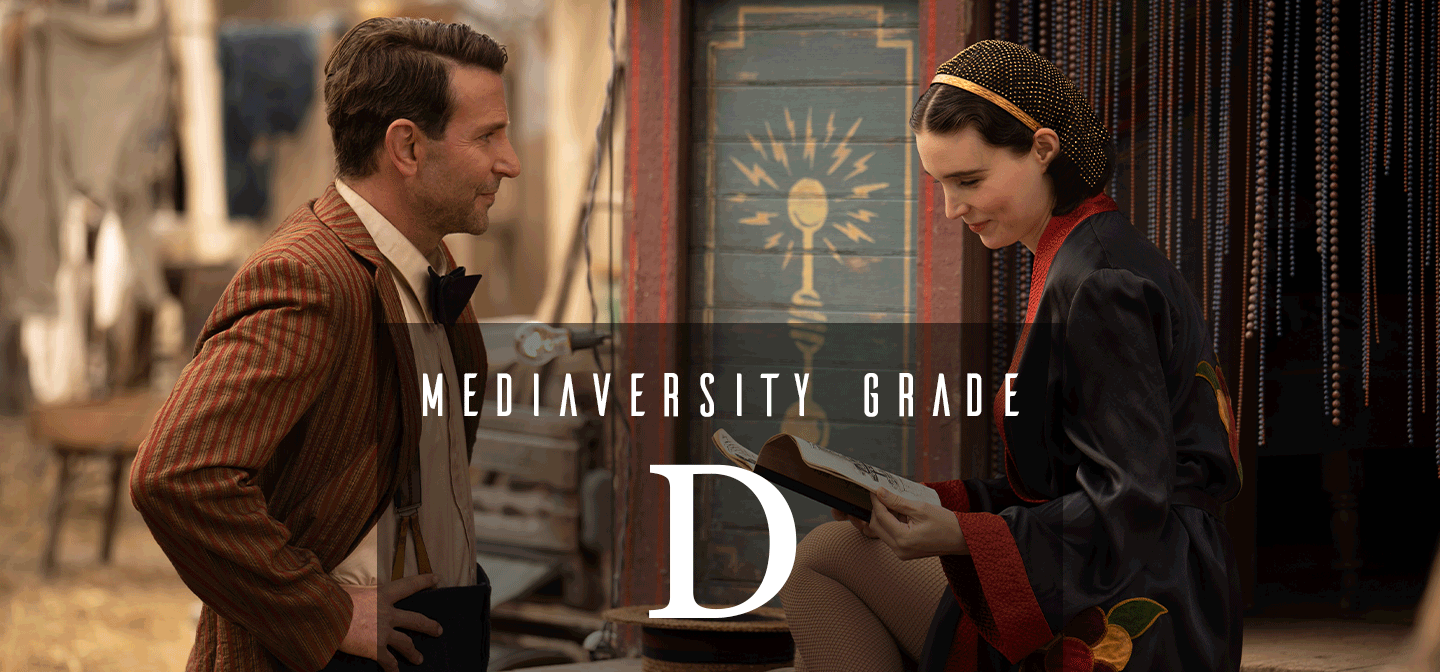
NIghtmare Alley (2021)
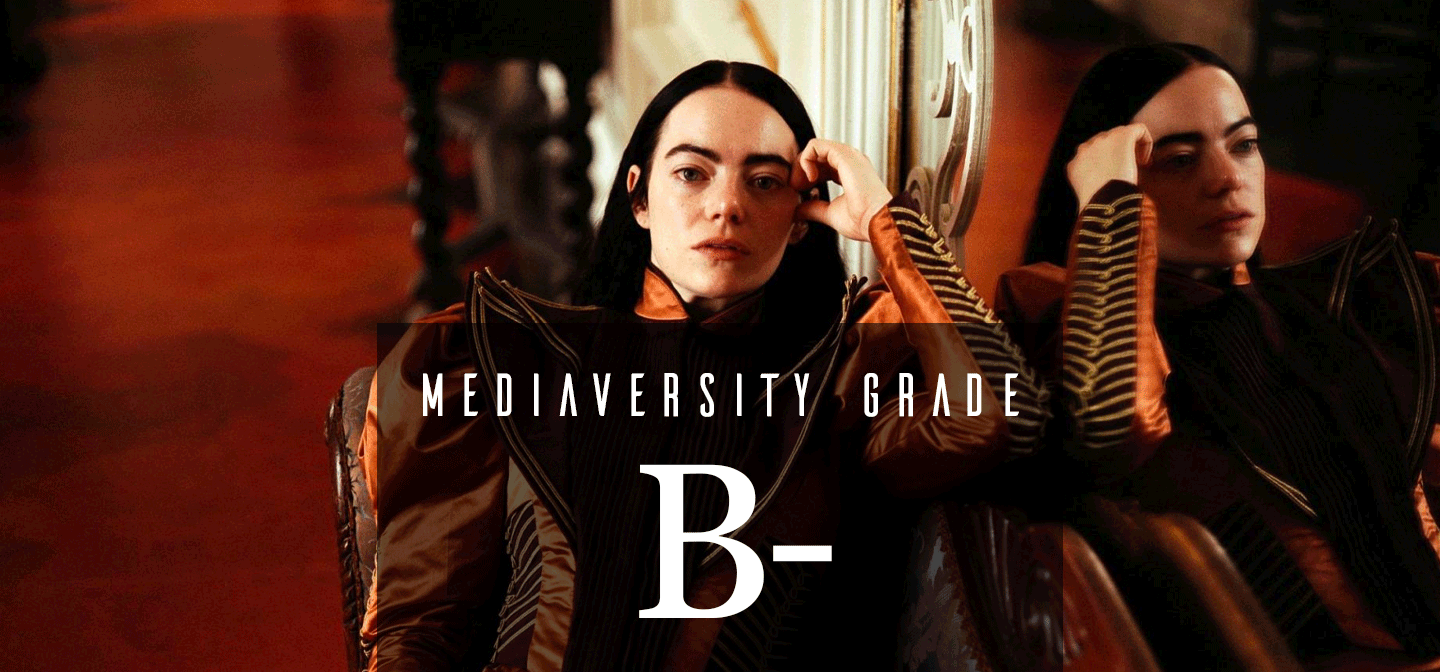
Poor Things (2023)
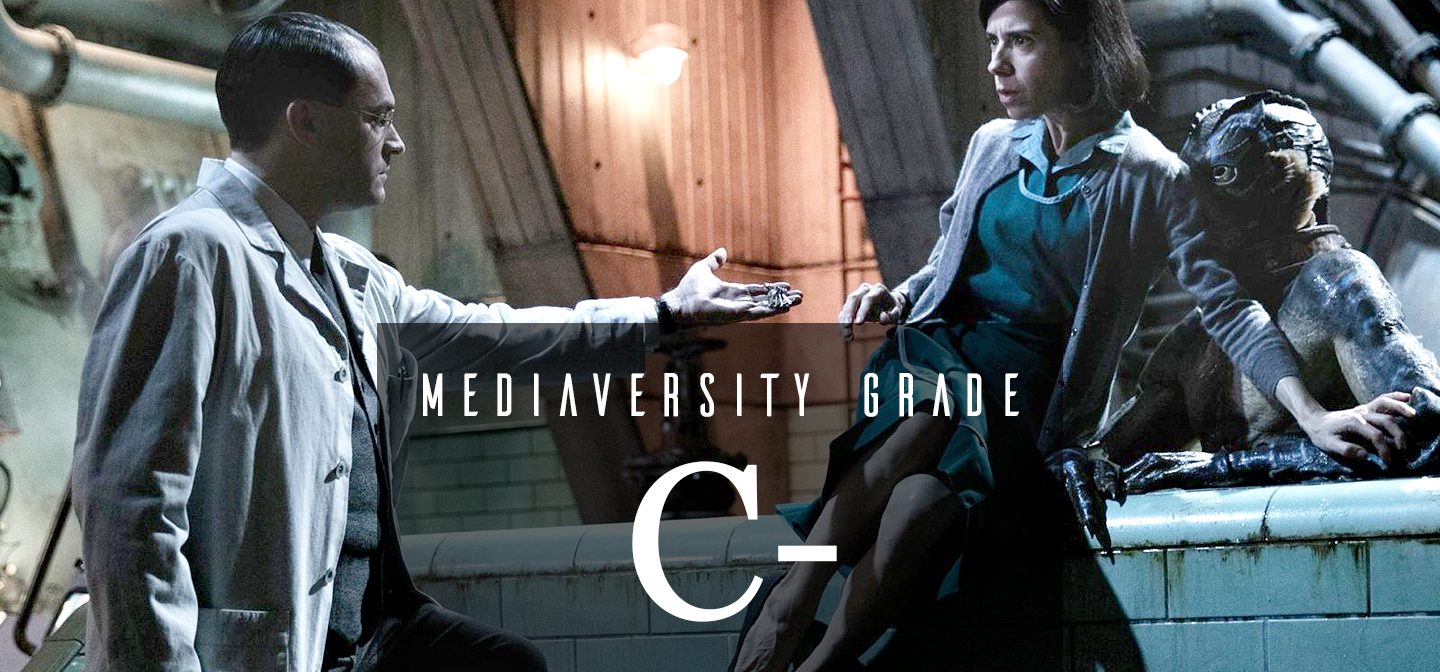
The Shape of Water (2017)