
Magellan
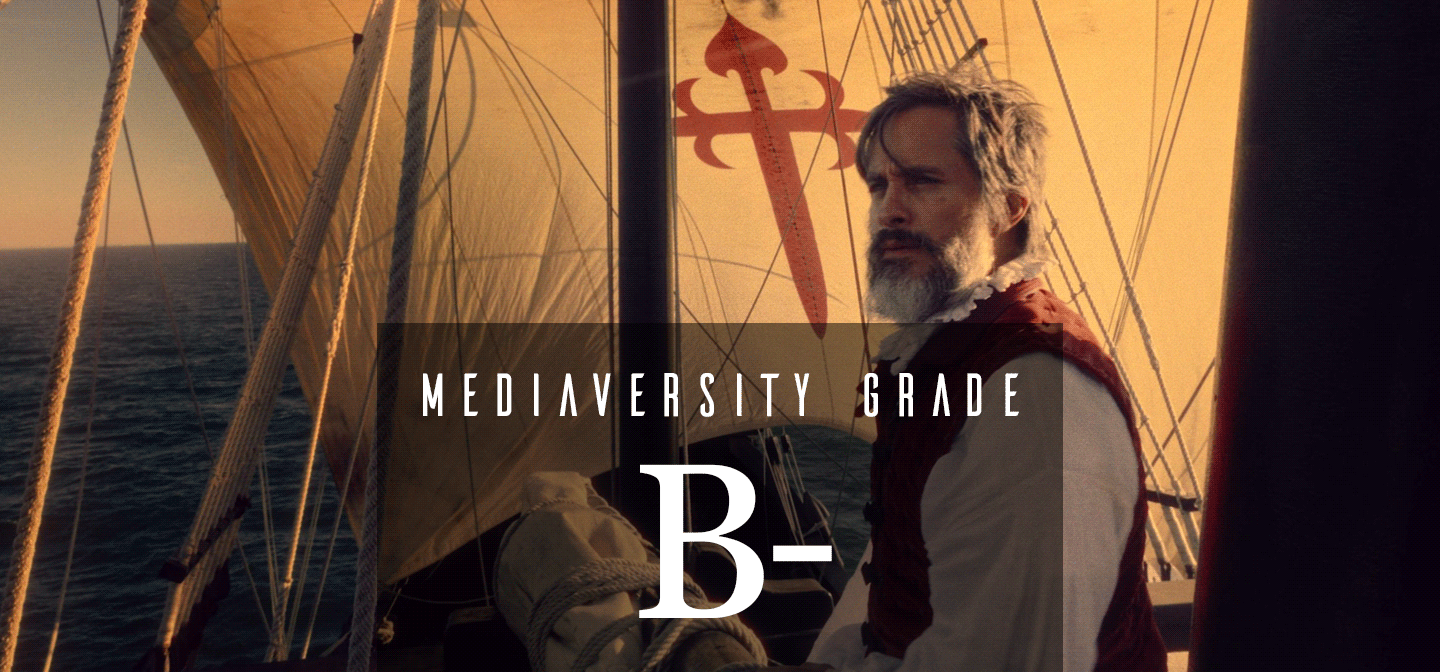
“Magellan’s racial representation is terrific, but the women are simply cannon fodder.”
Title: Magellan (2026)
Director: Lav Diaz 👨🏽🇵🇭
Writer: Lav Diaz 👨🏽🇵🇭
Reviewed by Gavin 👨🏼🇬🇧🌈♿
—MINOR SPOILERS AHEAD—
Technical: 4/5
Filipino filmmaker Lav Diaz is known for his “slow cinema” projects. Runtimes clock up to 625 minutes, extended scenes pause on static shots, and he liberally uses black-and-white cinematography. At “just” 2 hours and 40 minutes, Magellan is his most accessible film to date, but it still requires patience. Whilst not for everyone, this epic and thoughtful adventure is worth the committment.
It follows the titular Ferdinand Magellan (Gael García Bernal), a Portuguese sailor leading Spanish expeditions in the early 1500s. From the get-go, Diaz makes it clear that this isn’t your usual celebration of an intrepid explorer; the opening section is littered with dead bodies belonging to Indigenous Malacca islanders. Speeches from the Spanish invaders about conquest and power make their violent intentions plain. From there, the film charts Ferdinand’s life at home after he visits Malacca, his now-famous expedition to the Spice Islands, and the impact of colonialism on the Filipinos there.
Under Diaz’s direction, Magellan is fascinating to watch. The steady camera and slow pacing let audiences know the characters and world more intimately. Paired with the excellent shot composition and blocking, Diaz says a lot on imperialism and injustice through little dialogue and a complete lack of music. It’s a thoughtful political piece with a vision that could only belong to Diaz.
Gender: 2/5
Does it pass the Bechdel Test? NOPE
From Ferdinand to the sailors and Filipino locals, the film’s key characters are all men. At most, we meet Beatriz Barbosa (Ângela Azevedo), a teenager who marries the far older Ferdinand and carries their child. She has very little screen time, and we don’t get any insight into her personality or thoughts. She exists only to play the role of a mother, to talk about Ferdinand, and to reveal his poor character by showing how he groomed and married a teenager.
In background roles, multiple Filipino women appear. Diaz’s observational style follows them as they lead prayers and sacrificial ceremonies. However, like the Spaniards, women play second fiddle to men: When one woman speaks up about Ferdinand and his conquest, she’s told by a tribal leader to stay out of it and to leave the issue to the men. Diaz clearly critiques this type of sexism by showing its unfairness, but he treats female characters unfairly, too, when he pushes them aside.
Race: 5/5
Magellan’s cast is made up of Latino, Hispanic, and Southeast Asian performers. Ferdinand, played by Mexican actor Bernal, takes up the most screen time and learnt Portuguese for the production. Azevedo is Portuguese, and other Portuguese and Spanish characters are played by Portuguese and Spanish actors.
Chief amongst the Southeast Asian characters is Enrique (Amado Arjay Babon), a Malacca resident abducted and enslaved by Ferdinand. Diaz gives Enrique the time and space to become a fully fledged character. He’s a man torn between two worlds, praying to his gods and yearning to keep his cultural identity even as he becomes indoctrinated into European life and Christian beliefs. Filipino characters—all played by Filipino actors—feel genuine, shown taking part in traditional ceremonies and going about their day-to-day tasks.
Above all, Magellan benefits from Diaz’s Filipino perspective. Films about colonisation from the perspectives of the victims are much needed, but neither does Diaz simply demonise the Portuguese and Spanish sailors. Authentic representation is about showing humanity, and Diaz achieves that for all his characters.
Mediaversity Grade: B- 3.67/5
An engrossing, large-scale production, Magellan portrays a legendary hero as a violent, power-hungry man. Diaz gives time to the Filipinos who suffered at the hands of the title character. But whilst the racial representation is terrific, the women in this film are simply cannon fodder.
Like Magellan? Try these other slow cinema titles.
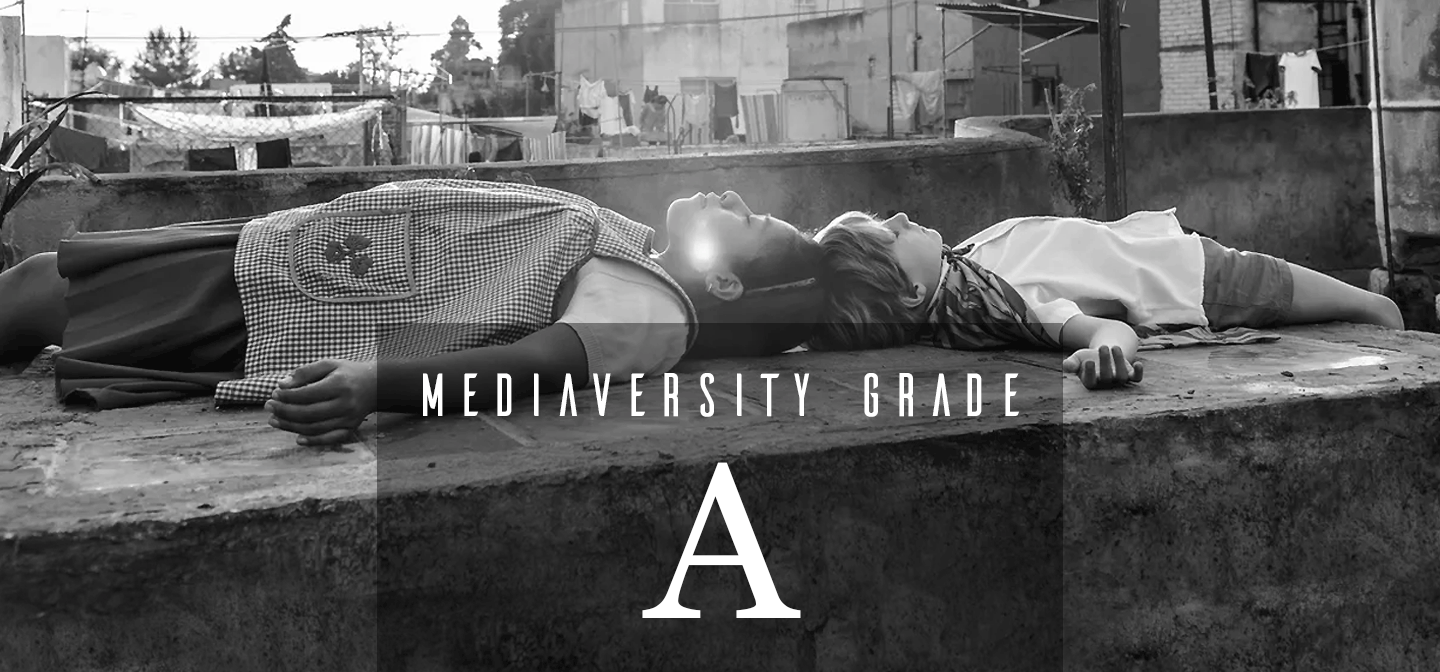
Roma (2018)
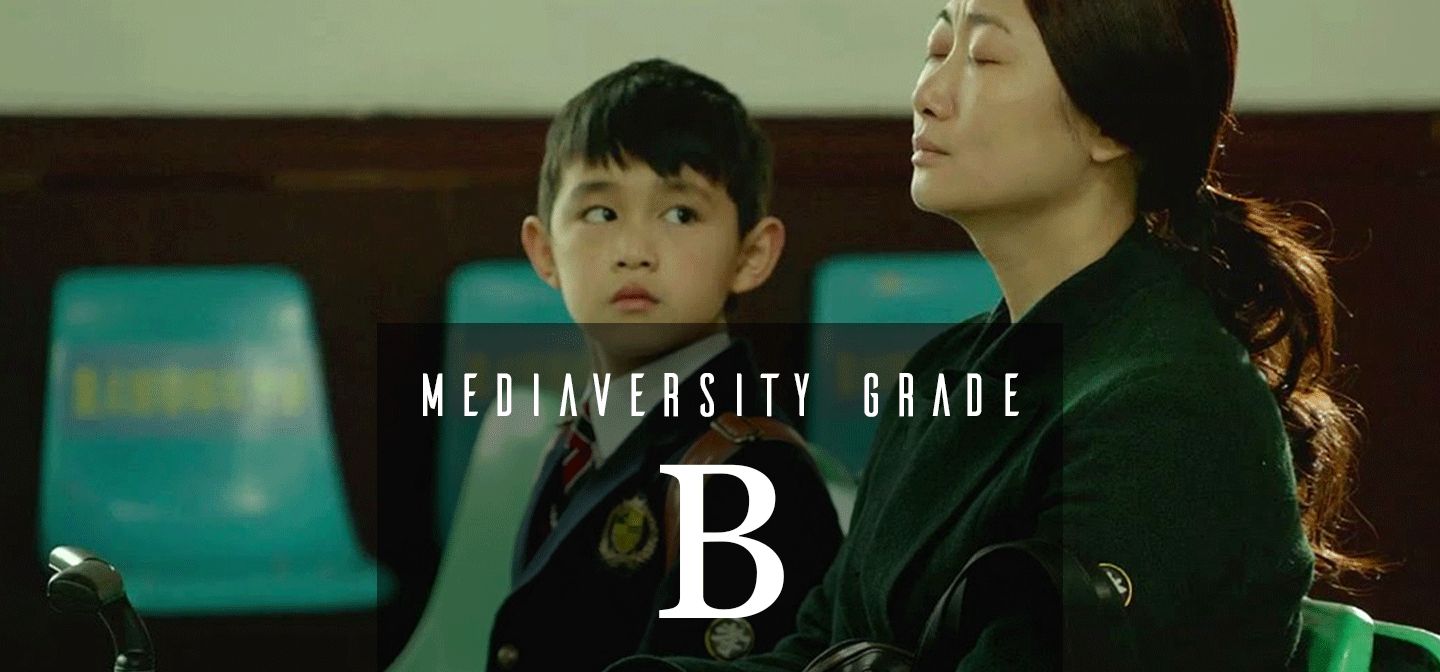
Mountains May Depart (2015)
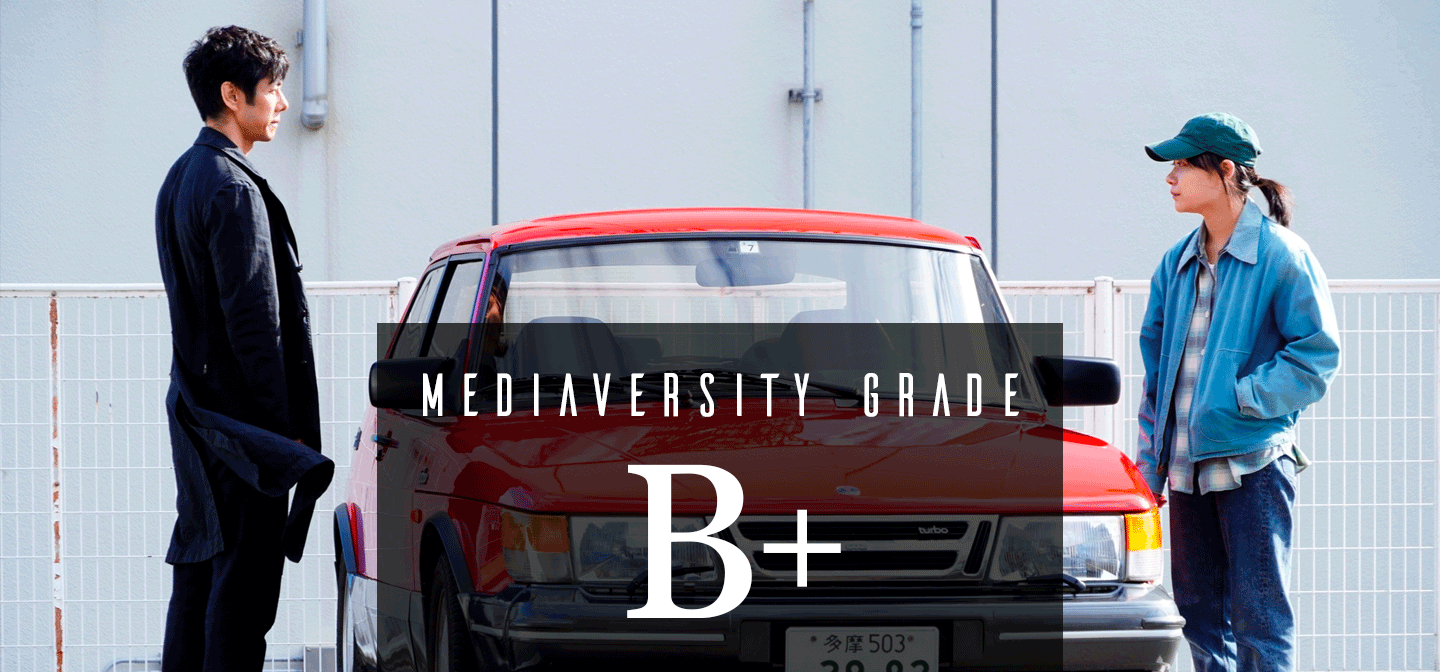
Drive My Car (2021)