
Marty Supreme
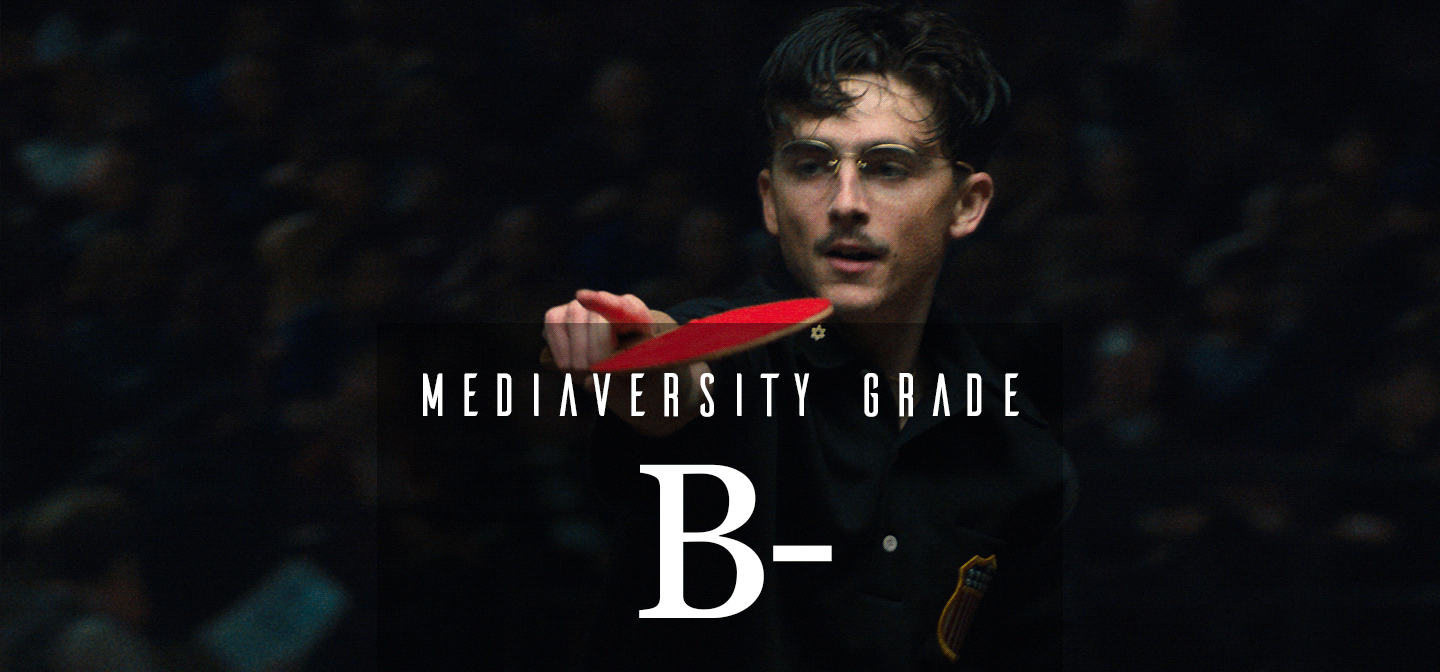
“Marty Supreme touches on Deaf and Jewish identities while also introducing strong, compassionate characters of color.”
Title: Marty Supreme (2025)
Director: Josh Safdie 👨🏼🇺🇸
Writers: Josh Safdie 👨🏼🇺🇸 and Ronald Bronstein 👨🏼🇺🇸
Reviewed by Sam 🧑🏻🇺🇸🌈
Technical: 3.5/5
Marty Supreme is a tale about the desire to achieve greatness. The film follows Marty Mauser (Timotheé Chalamet), a determined table tennis player who aims to become the world champion. Along the way, he faces unexpected setbacks and challenges, such as figuring out how to pay off debt and find an escaped dog.
The film relies heavily on suspense and comedy to keep audiences engaged throughout its two-and-a-half-hour runtime. Additionally, the cinematic visuals build a convincing 1950s world, giving a distinctly gritty feel. The adrenaline-pumping pace closely resembles director Josh Safdie’s Uncut Gems (2019), a joint project with his brother, Benny Safdie. Perhaps it’s the nature of comparison, but the drama and intensity feel a little less effective this time around. It’s hard to dig deeper than the surface-level message about the American dream. Even as a satire of “grindset” culture, Marty Supreme has little to add to the conversation. However, it’s a fun watch. If you think you’re having a bad day, Marty Supreme is guaranteed to remind you that there’s always someone out there who’s having a worse one.
Gender: 2.5/5
Does it pass the Bechdel Test? NOPE
Despite failing the Bechdel Test, with no two women ever talking to each other about something other than a man, Marty Supreme makes a valiant attempt at fleshing out its female characters. In particular, Rachel (Odessa A’zion), a pet store owner who has an affair with Marty, plays a pivotal role. She is a cunning woman who shares Marty’s determination. Yet, at times, she becomes overly dependent on him. Plus, the film frames her pregnancy—which resulted from her affair with Marty—as an inconvenience to Marty’s goal of getting to Japan. At the climax of the film, Marty also lets Rachel down when she needs him the most.
Another prominent female character is Kay Stone (Gwyneth Paltrow), an actress with a dying career, who also has an affair with Marty. She can see through Marty’s scheme to exploit her wealth, and their relationship is clearly transactional on both sides. However, like the framing of Rachel’s arc, the film positions Kay’s emotional needs as an obstacle to Marty getting what he wants. Plus, she doesn’t receive a concrete conclusion, making it crystal clear where Safdie’s interests lie.
Race: 3.5/5
Hip-hop artist Tyler, the Creator (credited as Tyler Okonoma in the film) portrays Wally, a charming Black taxi driver who befriends Marty through their shared love of table tennis. Throughout the movie, Wally helps Marty find ways to pay off his debts. While their schemes ultimately benefit Marty the most, the two characters are on equal footing. Wally also serves as a voice of reason, in contrast to Marty’s all-consuming pursuit of success. But even though Wally brings much-needed levity, he unfortunately doesn’t get much screen time. And like Kay, he doesn’t receive a conclusive ending as he disappears halfway through the film.
In addition to Okonoma, there are several actors of color, including British Indian actor Pico Iyer as Ram Sethi, the head of the International Table Tennis Association. But the most memorable is Japanese actor Koto Kawaguchi as Koto Endo, a Deaf table tennis player representing Japan. Endo is framed as an antagonist because he’s the only one in the world who can defeat Marty. Even though audiences root for Marty to win, the movie portrays Endo in an empathetic light. On the downside, the film falls victim to the trope of treating Japan as “foreign.” For example, Milton Rockwell (Kevin O’Leary), a white business owner, uses the Japanese public’s interest in table tennis to sell more products. His role reduces Japan—a vibrant, complicated culture—into a mere financial opportunity for white characters.
Bonus for Religion: +0.50
Marty expresses pride in his Jewish identity and wears a Star of David necklace throughout the movie. At times, the movie makes off-color jokes about the Holocaust, but it never makes being Jewish the butt of the joke. It also spotlights the true story of Jewish Polish table tennis player Alojzy Ehrlich, who survived the Holocaust by learning how to dispose of bombs. Behind the lens, Safdie identifies as Jewish.
Bonus for Disability: +0.50
Marty Supreme mentions Endo’s deafness several times but never mocks it. The character wears hearing aids and relies on them to understand what Marty says. Actor Kawaguchi is also a professional Deaf table tennis player in real life.
Mediaversity Grade: B- 3.50/5
For a movie centered around a straight, cisgender white man, Marty Supreme manages to bring some inclusivity. The film touches on Deaf and Jewish identities while also introducing strong, compassionate characters of color. Additionally, the female characters get plenty of screen time, though the quality of their stories could use improvement.
Ultimately, Marty himself causes most of the problems. He mistreats and uses everyone around him for his own benefit. While the film critiques this every-man-for-himself behavior, it still depicts him as a sympathetic protagonist. But story aside, Marty Supreme is an action-packed spectacle that has given Chalamet a transformative role.
Like Marty Supreme? Try these other titles featuring underdogs.
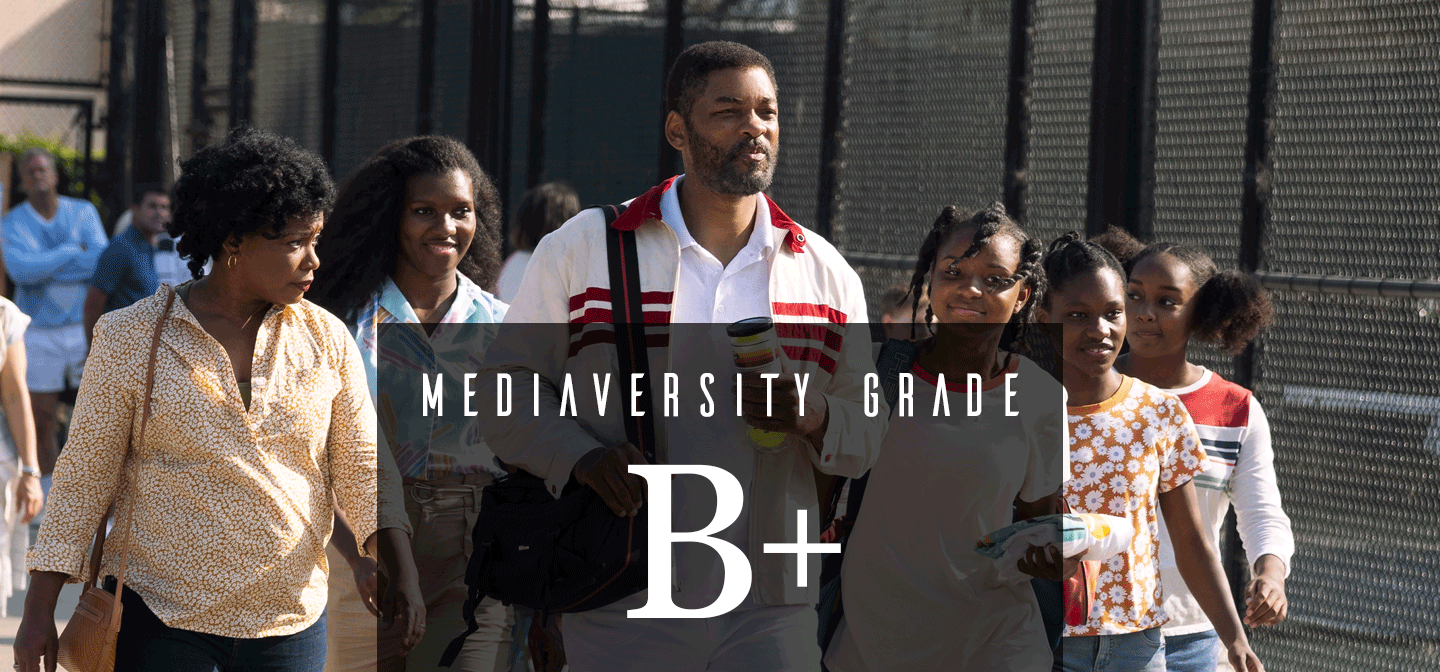
King Richard (2021)
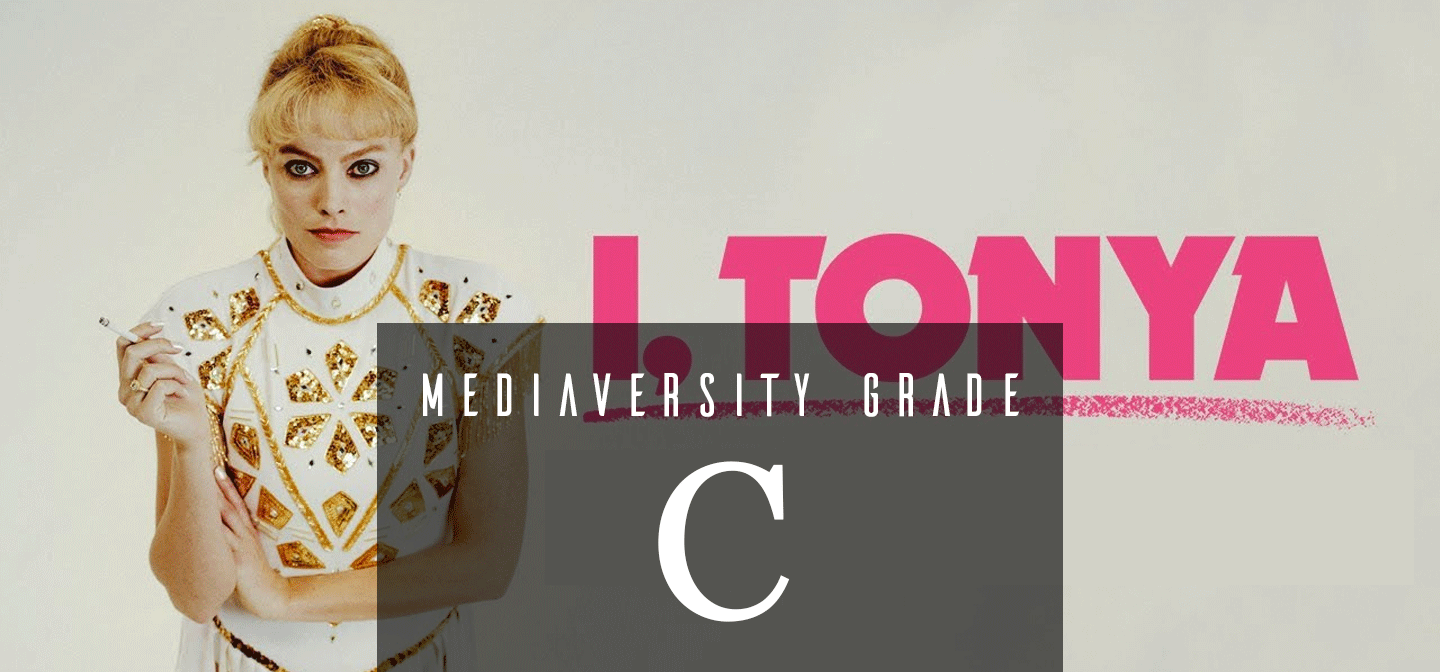
I, Tonya (2017)
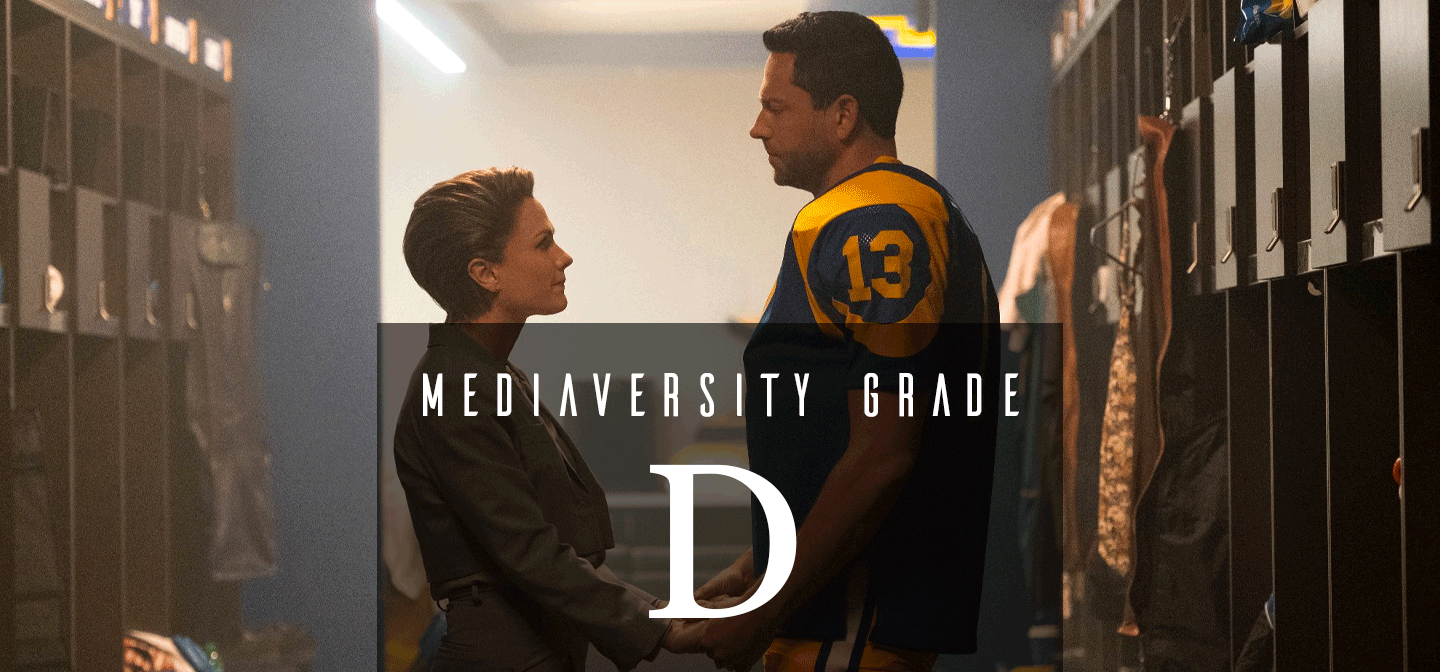
American Underdog (2021)