
Wicked: For Good
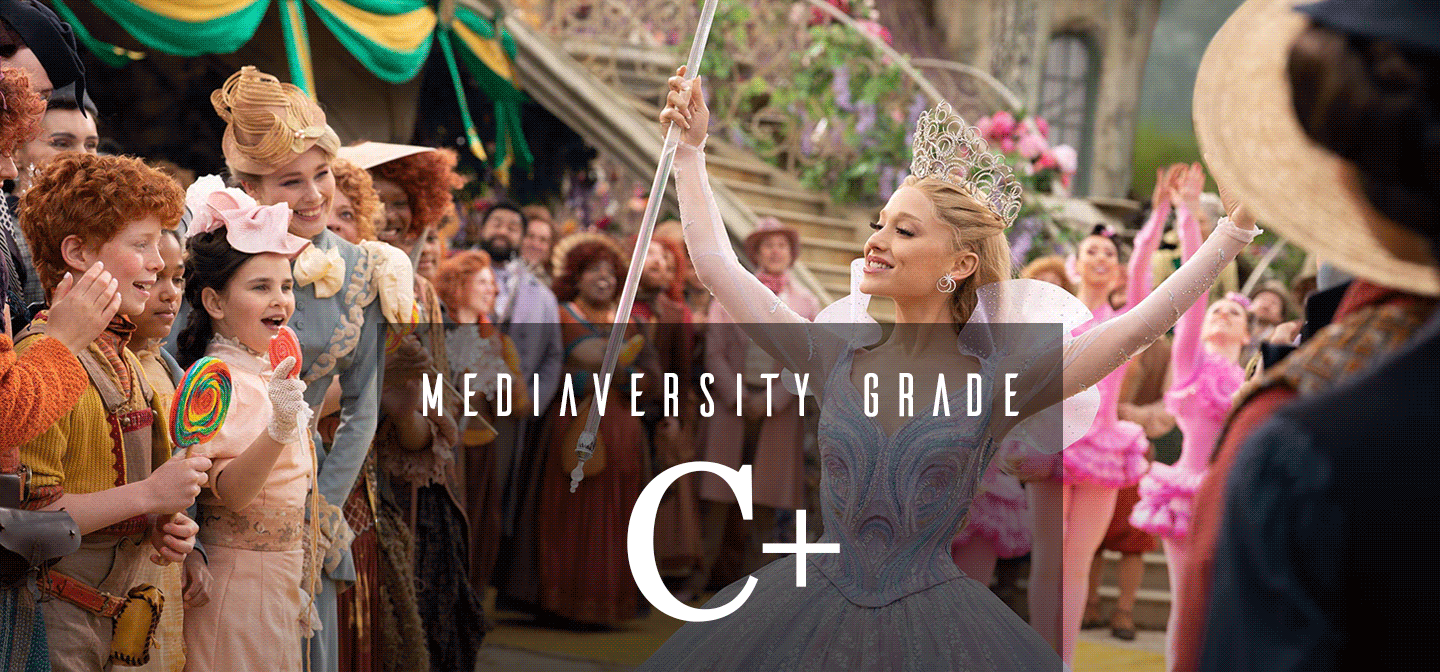
“Wicked: For Good imparts an awful message about friendship.”
Title: Wicked: For Good (2025)
Director: Jon M. Chu 👨🏻🇺🇸
Writers: Screenplay by Winnie Holzman 👩🏼🇺🇸 and Dana Fox 👩🏼🇺🇸, based on the musical by Stephen Schwartz 👨🏼🇺🇸 and Winnie Holzman 👩🏼🇺🇸
Reviewed by Gavin 👨🏼🇬🇧🌈♿
—SPOILERS AHEAD—
Technical: 2/5
Wicked took the world by storm in 2024, breaking box office records and taking home two Academy Awards. But that was just the start of a two-part film adaptation of the iconic musical. Would director Jon M. Chu and his cast and crew be able to wrap up the story in spectacular fashion? Seems the answer is no.
Wicked: For Good is a big step down from its predecessor. This darker second half doesn’t have the same magic or wonder. Wicked successfully developed the relationship between Elphaba (Cynthia Erivo) and Glinda (Ariana Grande) through fun musical numbers and moments of genuine emotion, as seen in the “Ozdust Duet” sequence. Instead, Wicked: For Good blasts through a messy, uneven plot. Some storylines and characters have far too much screen time, causing the movie to drag, while pivotal scenes make zero impact because they’re rushed. An egregious example is Elphaba barely caring about her sister Nessarose’s (Marissa Bode) death as the scene rushes to the next plot point.
Not everything is bad, however. The production design is terrific, and the colour grading is far more attractive—perhaps something Chu worked on after criticism for Wicked’s colour. A couple of musical numbers stand out, such as “No Good Deed” and “The Girl in the Bubble.” But that’s largely because of the original lyrics and music and the powerful leading ladies who perform them. Once again, Wicked: For Good’s trump card is Erivo and Grande.
Gender: 4.5/5
Does it pass the Bechdel Test? YES
Nothing has changed with onscreen and behind-the-camera representation, as Wicked: For Good was shot alongside Wicked. Female writers Winnie Holzman and Dana Fox once again make the women of Oz flawed, believable characters.
Glinda has a far more emotionally complex journey as she grapples with gaining popularity within an authoritarian state and supporting her friend by doing the morally right thing. Grande once again nails the comedic timing of the girl in pink, but shows off her dramatic skills too, as the stakes are raised. Erivo was a powerhouse in Wicked and continues to be a powerhouse in Wicked: For Good. Her emotional range, from quiet vulnerability to explosive strength, is evident once again. And of course, her singing voice is exceptional; unlike anyone else’s currently working in Hollywood.
Nessarose also gets time in the spotlight as she heads down a self-destructive path, but her arc feels rushed in comparison to Elphaba and Glinda’s journeys. Madame Morrible (Michelle Yeoh) is a one-note villain after her antagonistic side is revealed in Wicked and offers nothing else here—a shame considering Yeoh’s talents as a performer.
Ultimately, Wicked: For Good gives Glinda a satisfying, complete arc as she changes for good (I’m not sorry) thanks to Elphaba’s actions. But Glinda’s journey and conclusion come at the expense of Elphaba, who gets a lackluster ending.
Race: 3/5
Chinese-Taiwanese American director Chu returns for Wicked: For Good, as does the diverse cast, including Erivo (a Black British woman of Nigerian descent), Yeoh (Chinese Malaysian), Bode (biracial Black and white), Bowen Yang (Chinese American) as Pfannee, and Sharon D. Clarke (Black British) voicing Dulcibear. In our review of the first film, we questioned whether the follow-up would conclude the ambitious themes of prejudice and civil rights with any depth. Unfortunately, it doesn’t.
Elphaba is still fighting for the Animals, and Wicked: For Good does raise some interesting questions around why we fight against injustice when whole systems, and the people within, won’t ever see your viewpoint or stand by you. But it’s a tough pill to swallow watching the film cheer on a fundamentally flawed friendship.
During the movie, Glinda tries again and again to get Elphaba to work with The Wizard (Jeff Goldblum) at a compromise, rather than trusting her friend’s wisdom and helping her dismantle a racist (speciesist?) system. It’s only when the entirety of Oz goes on a literal witch hunt to kill Elphaba that Glinda makes a feeble attempt to do more. That would have been fine if Wicked: For Good had been making a damning statement about the hypocrisy of supposed allies. But in the end, a colourful musical number celebrates how Glinda finally stands up for Elphaba and makes a change for tackling injustice—after Elphaba is forcibly cast outside of Oz, and Glinda gets all the glory, that is. To sum it up, Wicked: For Good sees a popular white girl abandon her friend, a person of colour, in favour of an oppressive system … and doesn’t condemn her for it. In a tentpole blockbuster seen by millions, it’s an awful message to impart to audiences.
Bonus for LGBTQ: +0.50
Whilst Wicked: For Good doesn’t explore sexuality on screen, it does feature several queer actors across leading and supporting roles. Jonathan Bailey (Prince Fiyero), a gay man, is most notable, especially after becoming the highest-grossing actor of 2025 thanks to his roles in this film and in Jurassic World Rebirth. Joining the cast of queer performers this time is Colman Domingo, voicing the Cowardly Lion, although he only has a handful of lines.
Bonus for Disability: +0.25
Nessarose’s role expands in Wicked: For Good, and it’s great to see a wheelchair user showcased in a big movie. A controversial element of the musical—where Nessarose is “fixed” by being magically granted the ability to walk—is pleasantly addressed in the film. Instead of walking, Nessarose floats in her wheelchair. But even with this positive adjustment, Nessarose doesn’t get as much screen time as Glinda, Elphaba, and Fiyero. After Nessarose makes a less-than-stellar exit from the movie, she’s quickly forgotten by the fast-moving plot and the characters around her.
Mediaversity Grade: C+ 3.42/5
Last year, Wicked paved the way for something truly special. That’s why it’s extra disappointing that Wicked: For Good drops the ball. Yes, its events follow the original musical closely. But Chu, Holzman, and Fox could have made more changes beyond simply removing Nessarose’s walking scene and capitalised on its impactful themes about fascism and friendship. Even with this hesitant approach, though, along with uneven pacing and weaker direction, it isn’t enough to derail the experience thanks to Grande and Erivo’s committed, brilliant performances.
Like Wicked? Try these other fantasy-set titles with authoritarian themes.
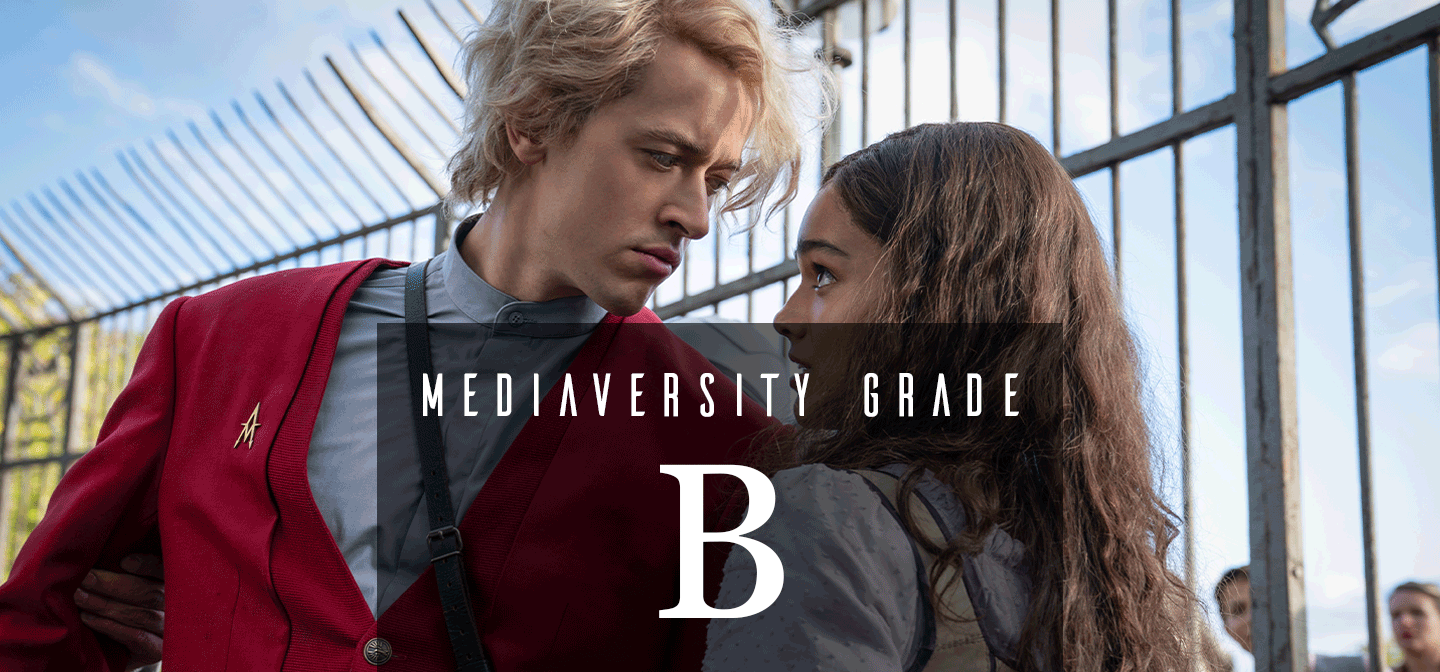
The Hunger Games: The Ballad of Songbirds & Snakes (2023)
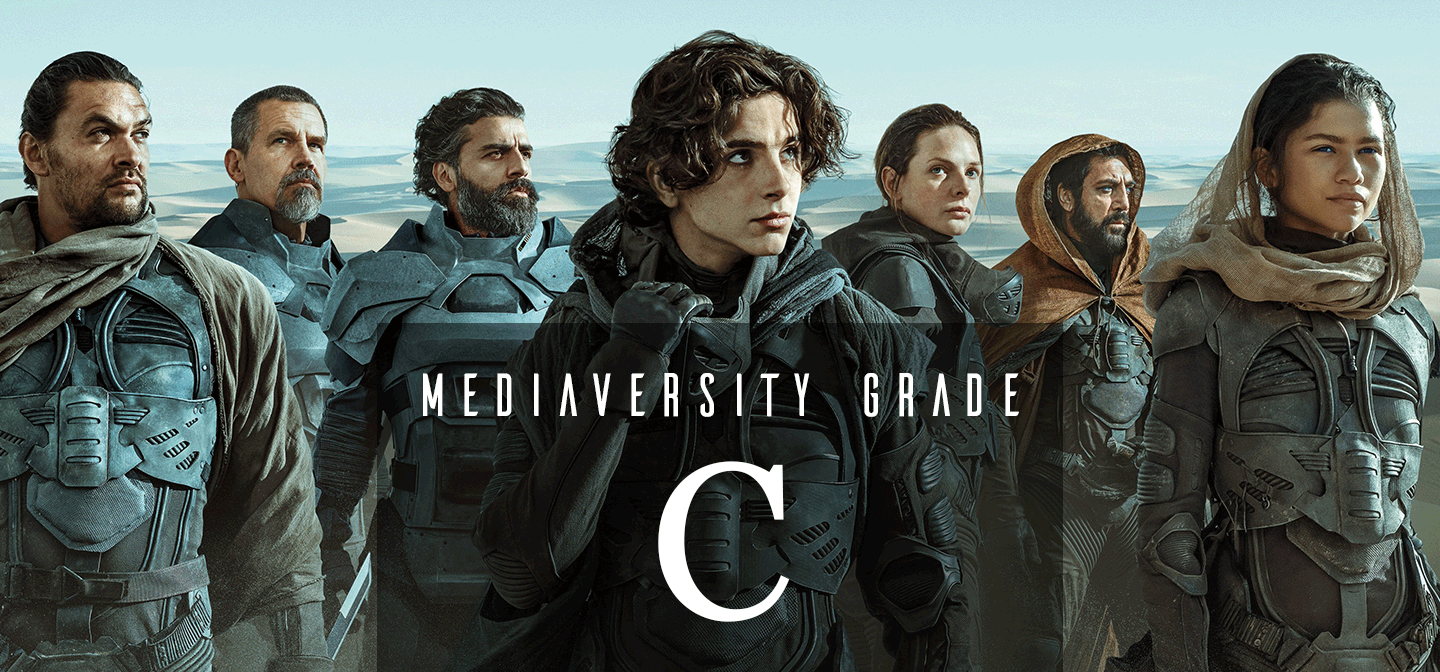
Dune: Part One (2021)
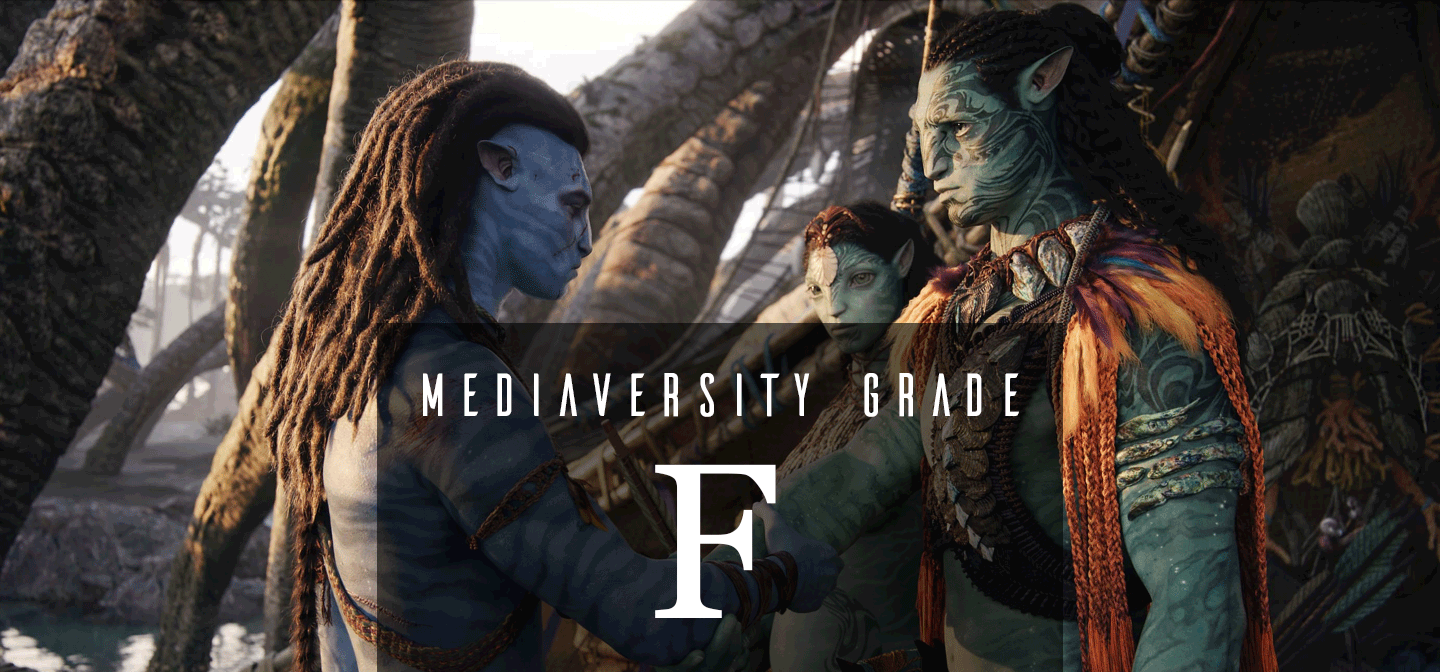
Avatar: The Way of Water (2022)