
Being Heumann
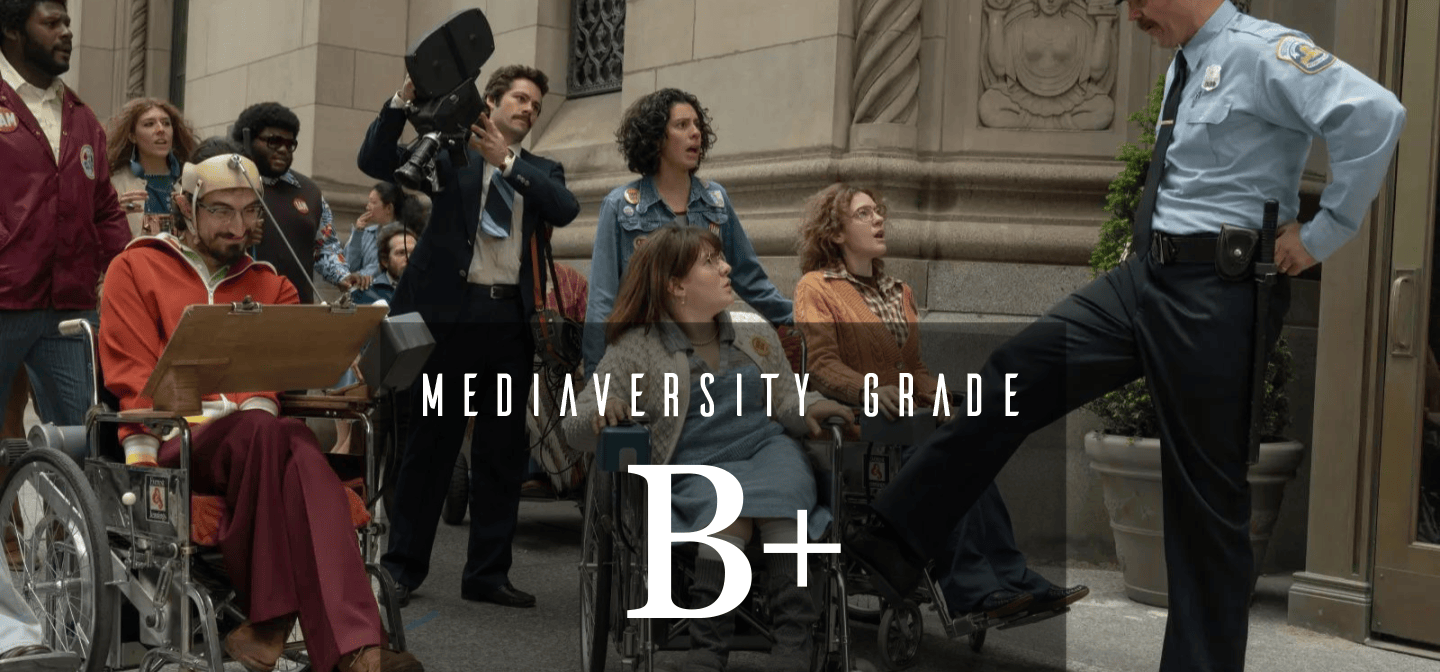
“I take issue with certain elements of Being Heumann, but it’s laudable that a mainstream film featuring over 20 disabled performers was made at all.”
Title: Being Heumann (2026)
Director: Siân Heder 👩🏼 🇺🇸
Writers: Screenplay by Siân Heder 👩🏼🇺🇸 and Rebekah Taussig 👩🏼🇺🇸♿ based on the book by Judith Heumann 👩🏼🇺🇸♿ and Kristen Joiner 👩🏼🇺🇸
Reviewed by Anthony Marcusa 👨🏼🇺🇸🇨🇦🌈♿
Technical: 3.5/5
Based on true events, Being Heumann follows a group of disability rights activists who staged a 27-day sit-in protest at a San Francisco federal building in 1977. Led by Judy Heumann, the group aimed to compel the Secretary of Health, Education and Welfare (HEW), Joseph A. Califano Jr., to implement Section 504. That provision was part of the Rehabilitation Act of 1973, America’s first major disability rights legislation.
While the movie features an ensemble cast, it centers on Heumann (Ruth Madeley), who uses a wheelchair, and focuses on her dogged efforts. Heumann is vocal and fearless, first butting heads with a HEW regional director who has no idea about the legislation Heumann is talking about. Eventually, she forces Califano (Mark Ruffalo) to pay attention to her and Section 504. Heumann is frequently contrasted with a newer organizer, Kitty Cone (Madeline Delp), who approaches situations with more calm and consensus-building.
Cone and Heumann experience mild friction, but it’s really the only friction we get throughout the movie. Evan White (Dylan O’Brien), a reporter covering the protest, is at first flippant and rude, but he warms up quickly after he embeds with the protesters, seemingly realizing that they deserve equal rights (and that he has a big scoop on his hands). Being Heumann generally brings good vibes only and seems scared to analyze the systemic problems at the heart of the 1977 protest. The sit-in becomes a big hang, with the audience meeting a diverse cast of passionate activists who also love to laugh, smoke, and fool around. There are some incidents with the police, but even a couple of brief raids avoid being too upsetting or intense.
Even the clashes with Califano are played for laughs. While Ruffalo shines in every scene as an exasperated official, he sometimes pulls focus with his shambolic and absurdist energy. He complains about cookies and sprains his ankle for comedic effect—and when he gripes that he can’t take the stairs, it feels distractingly like the script is equating his temporary discomfort with wheelchair users’ daily, ongoing barriers to entry.
Still, Being Heumann moves at a brisk pace, with plenty of popular needle drops, a slew of montages, and an orange-ish, hazy tint that suggests we’re in the 1970s. The approach works, and it makes for a fun watch. But it’s superficial; a substantive, rousing call to action would have elevated this film. Director Siân Heder wants you to see that disabled people are fully human, and she also wants you to have fun. But there’s a lot more to do for disability rights today, and Being Heumann doesn’t seem interested.
Gender: 4.5/5
Does it pass the Bechdel Test? YES
Being Heumann is written and directed by women, drawing inspiration from Judith Heumann’s 2020 memoir, which was co-authored by Kristen Joiner. Among the film’s large, gender-balanced ensemble, female activists Heumann and Cone serve as the central heroes. They talk frequently, while Heumann’s friend and occasional caregiver, Joni Breves (Roberta Colindrez), appears in a supporting role.
Despite this setup, the women in this film are two-dimensional. We don’t learn much about Heumann beyond her status as a monumental figure in the disability rights movement. She gets a brief romantic subplot with another activist, but is otherwise repeatedly shown chasing Califano by phone (and sometimes in person), determined but little else. Perhaps Heumann is supposed to show growth when Califano finally signs the Section 504 regulations, and Heumann tells Cone to give the victory speech instead of doing it herself. But that moment feels unconvincing because Heumann is in D.C., and the announcement makes more sense coming from San Francisco, where the occupation took place (and where Cone was holding down the fort). It’s unfortunate that the script rarely lets its female leads be more than activists.
Race: 3/5
The four main characters—Heumann, Cone, journalist Evan White, and Califano—are white. Many people of color appear in supporting roles, but their screen time lags far behind. Among them, Brad Lomax (Antwan Tolliver) is an activist and former Black Panther Party member with multiple sclerosis who’s often seen with active party member and caregiver Chuck Jackson (Ray Fisher). Charlie Rush-Reese, a Black American who is Blind, plays disability rights activist Dennis Billups.
The Black Panthers are shown in a positive light, bringing food to the protestors after the government tries to starve them out. Corbett O’Toole, a participant, has said that the “Black Panthers saved the 504 sit-in.” However, in the movie, this pivotal and celebratory moment is treated as just one among many, on par with wheelchair races down hallways and a bawdy “sex tent.”
Bonus for Disability: +1.00
Being Heumann features over 20 disabled performers. Many are wheelchair users, but Blind and Deaf characters play pivotal parts, as do little people and persons with limb loss. Cerebral palsy, spina bifida, chronic illness, and other disabilities are also shown and humanized. Under Heder’s charge, casting directors Bernie Telsey and Adam Caldwell prioritized authenticity, using accounts and photos to match actors to roles. The intentionality pays off, and it’s positive that many of the disabled actors are appearing in a first-time or early-career capacity. For folks like Rush-Reese, Rein Barcel, Andrew Pilkington, Rio Finnegan, and D’Arcee Charington Neal, Being Heumann has hopefully been a welcome addition to their acting resumes.
Furthermore, Heder doesn’t simply relegate disabled characters to struggle. Even if we don’t get much backstory or depth, these people are shown with a range of emotions and experiences. It’s laudable that such a large-scale, mainstream film was made at all, and that alone deserves the full bonus point.
Still, it’s hard not to take issue with certain elements. For one, the movie doesn’t interrogate how different disabilities require different solutions—which sometimes contradict. It broaches the subject, yes: In a brief argument among the activists, Billups points out that curb ramps, which wheelchair users like Heumann are advocating for, are actually dangerous for Blind pedestrians who need that raised sidewalk to feel where the road begins. But then the issue is dropped in favor of more generic, “this is good for everybody” rhetoric.
The film also exists in a vacuum of its time. It doesn’t make any attempt to connect events and ideas from the 1970s to the present day. Invisible disabilities, for example, never come up. This narrow scope makes sense for the era, but this movie wasn’t made in the 1970s. It feels like a missed opportunity to acknowledge today’s broader understanding that you don’t have to “look disabled” to be disadvantaged by ableist systems. According to research from 2023, “invisible disabilities already account for 70–80% of all disabilities.” Long COVID, meanwhile, “is a mass disabling event of significant public health concern.”
The closing text gestures at this, but only vaguely: “The fight for accessibility is far from over.” It’s such an understatement that it almost comes off as insulting, especially considering how disability rights have been under attack by the current U.S. president, Donald Trump. Despite those frustrating limitations, though, Being Heumann remains an impressive achievement for disability representation in a media landscape that’s sorely lacking it.
Bonus for LGBTQ: +0.50
Intersectionality is shown through at least three queer characters: Breves is a lesbian, played by queer actor Colindrez, and wheelchair user CeCe is portrayed by queer actor Rein Barcel. Billups is gay, and audiences get to hear him explain his experience of being both Blind and gay during an emotional hearing.
Mediaversity Grade: B+ 4.17/5
Being Heumann tells an important story in an easily digestible way, turning a notable protest into a fun hangout movie with plenty of laughs and heartwarming moments. Heder, who previously tackled a Deaf narrative with the Oscar-winning CODA (2021), demonstrates allyship in her continued push for disabled actors to play disabled characters on screen.
Still, the movie is cautious and wants presumably nondisabled viewers to enjoy themselves. In one scene, White tells Heumann he is inspired by her dedication and passion. She replies, “Inspired to act, or just inspired?” It’s too bad that without any calls to action or mentions of current-day disability fights, Being Heumann falls into the latter category.
Like Being Heumann? Try these other titles featuring wheelchair users.
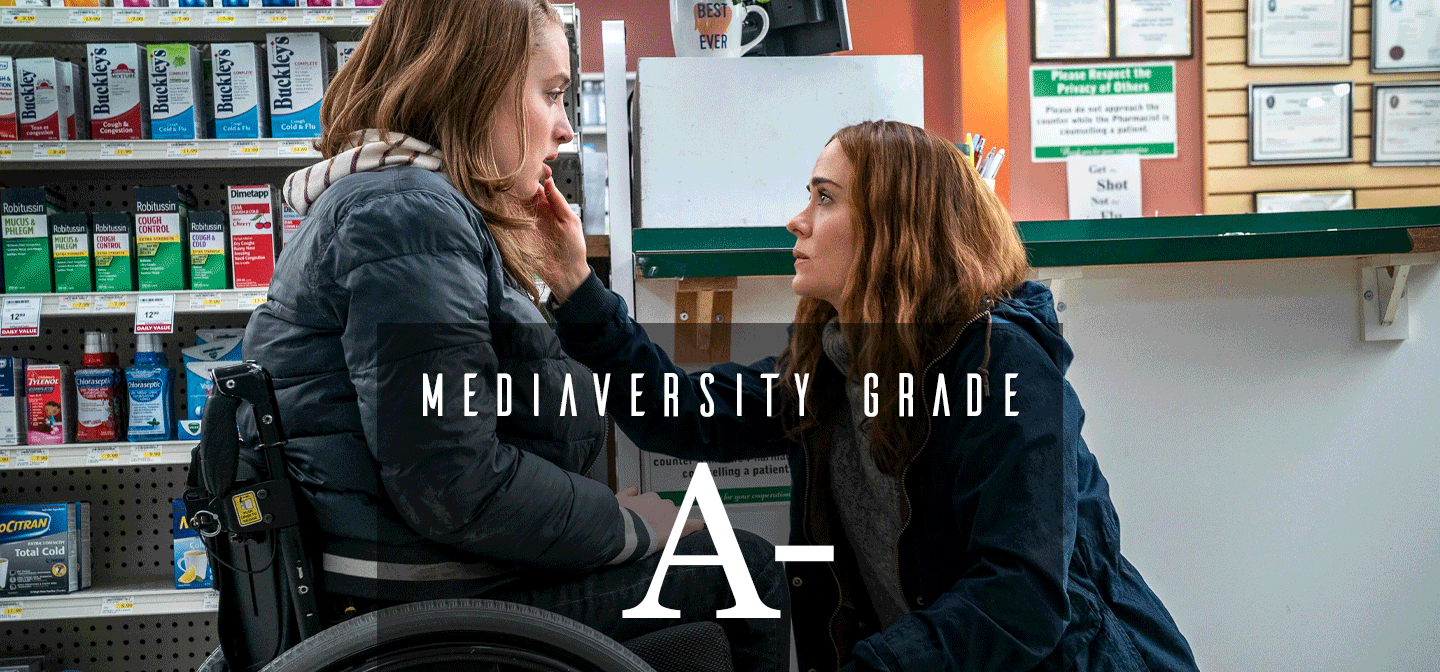
Run (2020)
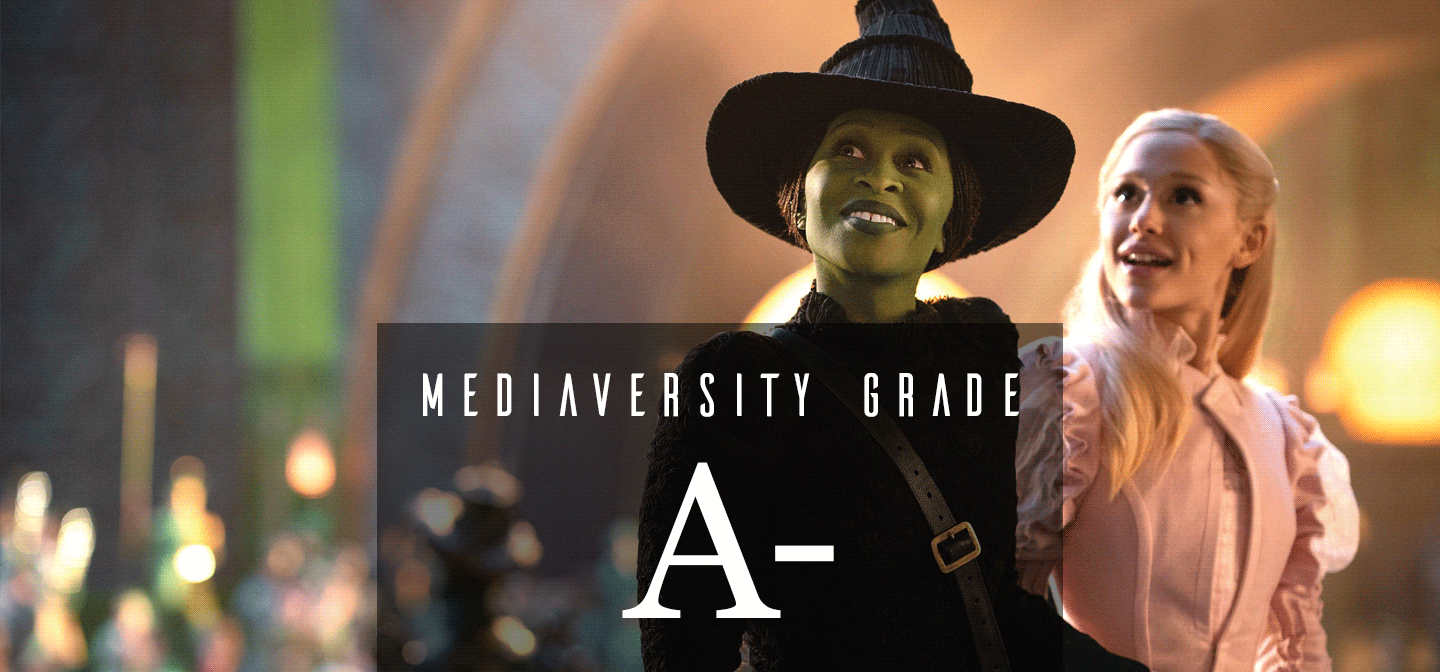
Wicked (2024)
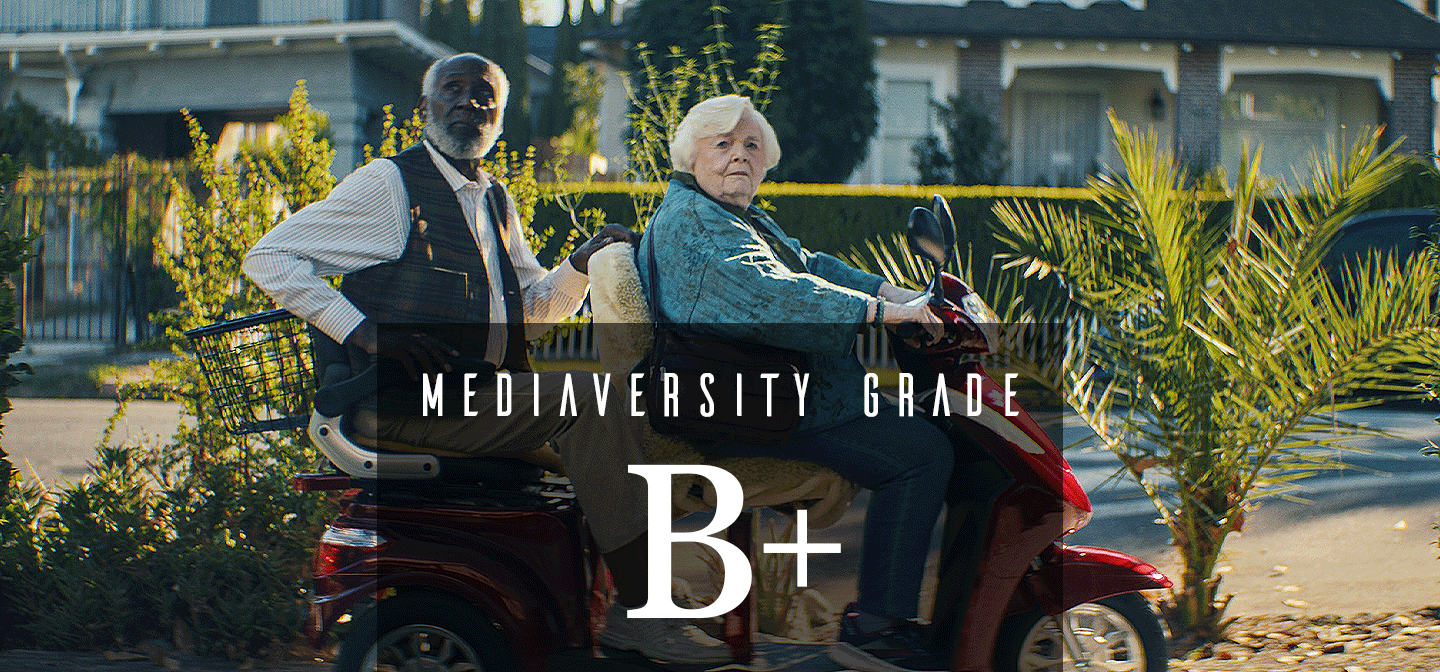
Thelma (2024)