
First Comes Love: Nakabingwit

“First Comes Love: Nakabingwit challenges people from a place of caring.”
Title: First Comes Love: Nakabingwit (2026)
Director: Joella Cabalu 👩🏻🇨🇦
Writer: Joella Cabalu 👩🏻🇨🇦
Reviewed by Li 👩🏻🇺🇸
Technical: 4/5
Gearing up for its world premiere at Vancouver International Film Festival this Saturday, First Comes Love: Nakabingwit by Joella Cabalu is a hybrid documentary-narrative film that tackles a fraught topic: the tensions that arise in an interracial relationship. Specifically, Cabalu focuses on Filipina-white couples, inspired by her own relationship.
Interview subjects sit side by side and talk about how they got together or discuss moments of culture clash. Other scenes follow them through their daily lives, giving viewers organic access to what dating (or being married to) someone outside your own culture looks like on the ground—raising mixed-race children, trying to understand your partner’s perspective, being patient in the face of ignorance, etc.
It’s touching to hear their reflections and to see how Cabalu ties them to her own romantic history, shown through reenactments featuring Gabrielle Jacinto as Cabalu and David Lennon as Cabalu’s boyfriend, Luka. Loving across racial lines can be isolating, and First Comes Love: Nakabingwit extends a hand, letting viewers hear common concerns or commiserate.
Gender: 5/5
Does it pass the Bechdel Test? YES
Written and directed by a woman, the film gives female partners most of the airtime. We hear their stories, concerns, and pain points. Each woman is a fully realized subject.
Race: 5/5
Early on, Cabalu introduces viewers to the Philippines’ history of colonization and the lingering legacy of white supremacy and colorism that’s been left in the Filipino consciousness. With that background as context, Filipina Canadian Justine recalls telling her British boyfriend, Dom, “Sometimes I just look at you and hate everything you represent,” the line hitting like a sucker punch.
Other exchanges are more careful, but no less painful. Filipina mom Rhea reminds her Italian-Canadian partner, Eric, of the time that their daughter Eleanor wished for “golden hair and blue eyes.” Rhea adds that she’s having conversations with Eleanor about internalized racism, but that it might be more impactful to hear it from someone “who looks like [him].” Eric agrees, but Rhea pushes him for specifics, asking, “How will you participate in that?” This is where the documentary’s strength lies—giving people room to be challenged from a place of love. Eric replies, “I don’t know. It’s a tough one.”
Bonus for LGBTQ: +0.50
Queer identity isn’t a focus, but among the handful of couples we meet, two of the pairings are same-sex. In particular, Veronica and Mathilde comprise one of the three main couples, and queerness is woven as naturally into their anecdotes as parenthood or long-distance dating is for other, straight couples.
Mediaversity Grade: A 4.83/5
Bringing together wide-reaching topics of race, colonialism, love, and family, First Comes Love: Nakabingwit drills down into a small but impactful angle in which those big themes intersect. If you’re dating someone outside your culture, you might feel seen. If not, maybe you’ll learn something new. Either way, it’s an entertaining yet meaningful watch.
Like First Comes Love: Nakabingwit? Try these other titles featuring Filipina leads.
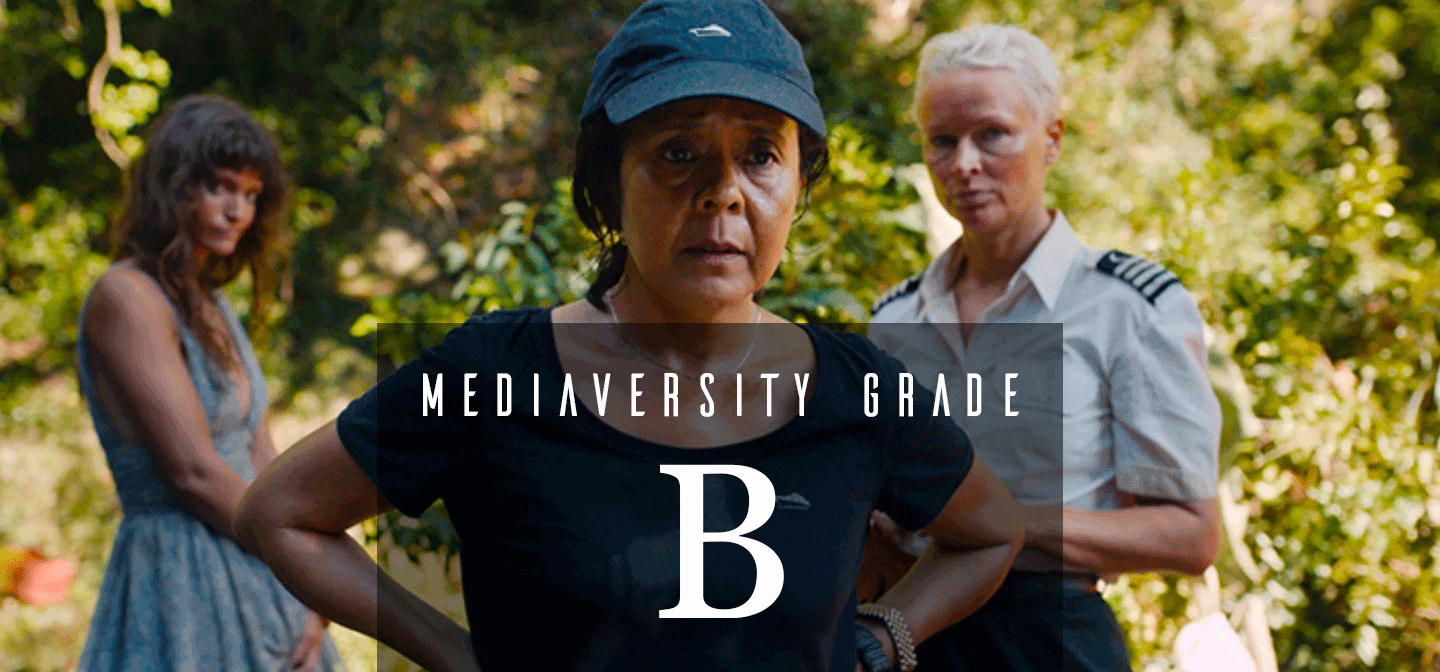
Triangle of Sadness (2022)
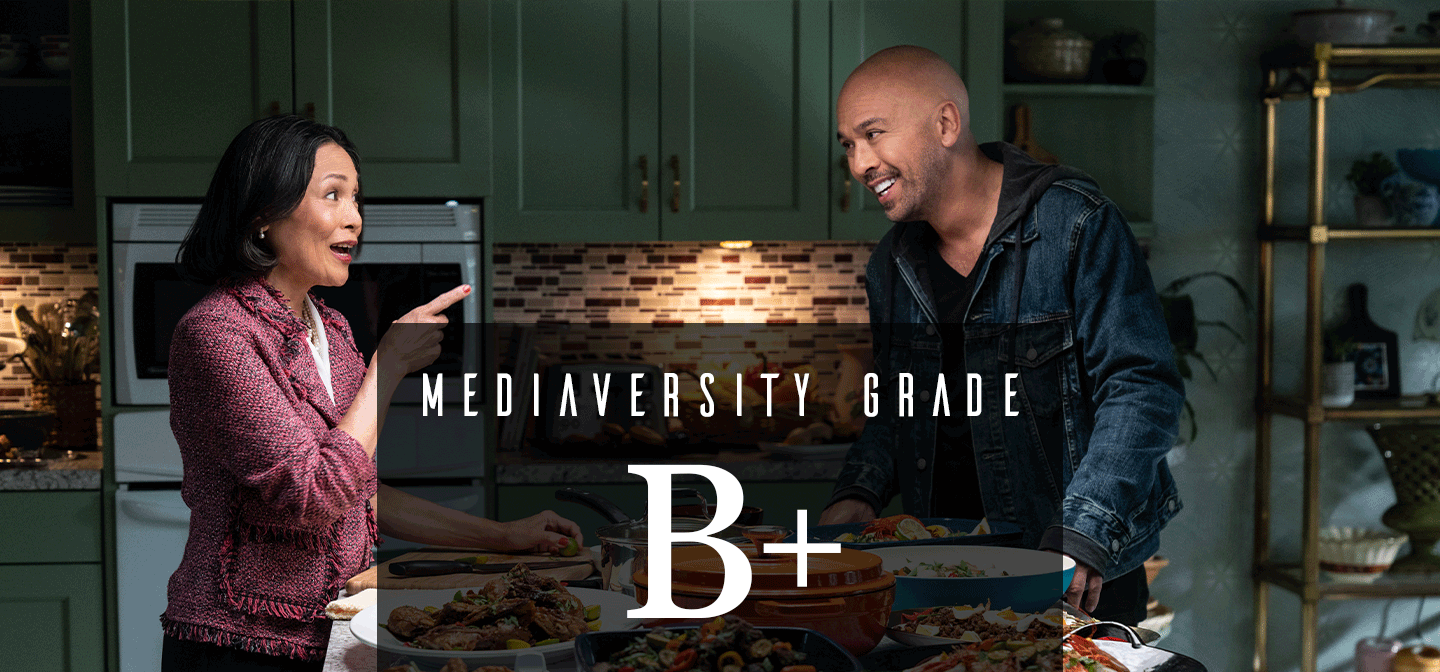
Easter Sunday (2022)
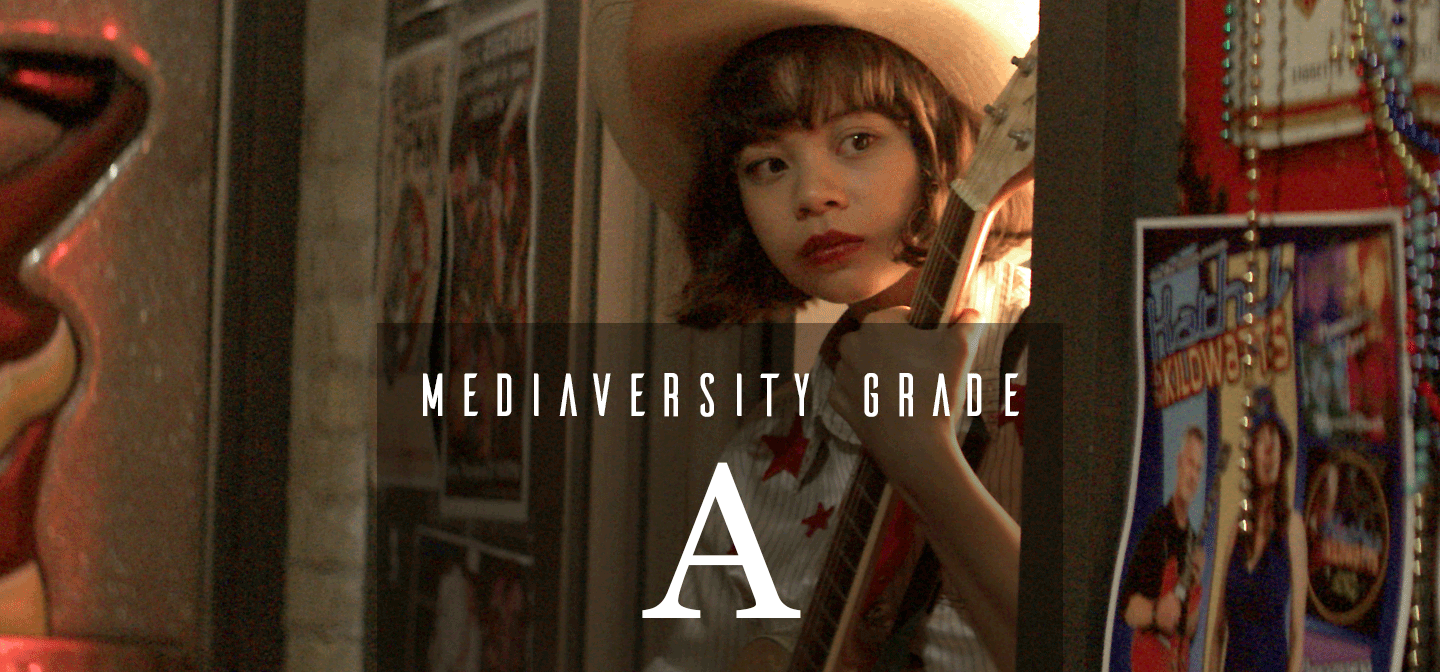
Yellow Rose (2019)