
Moses the Black
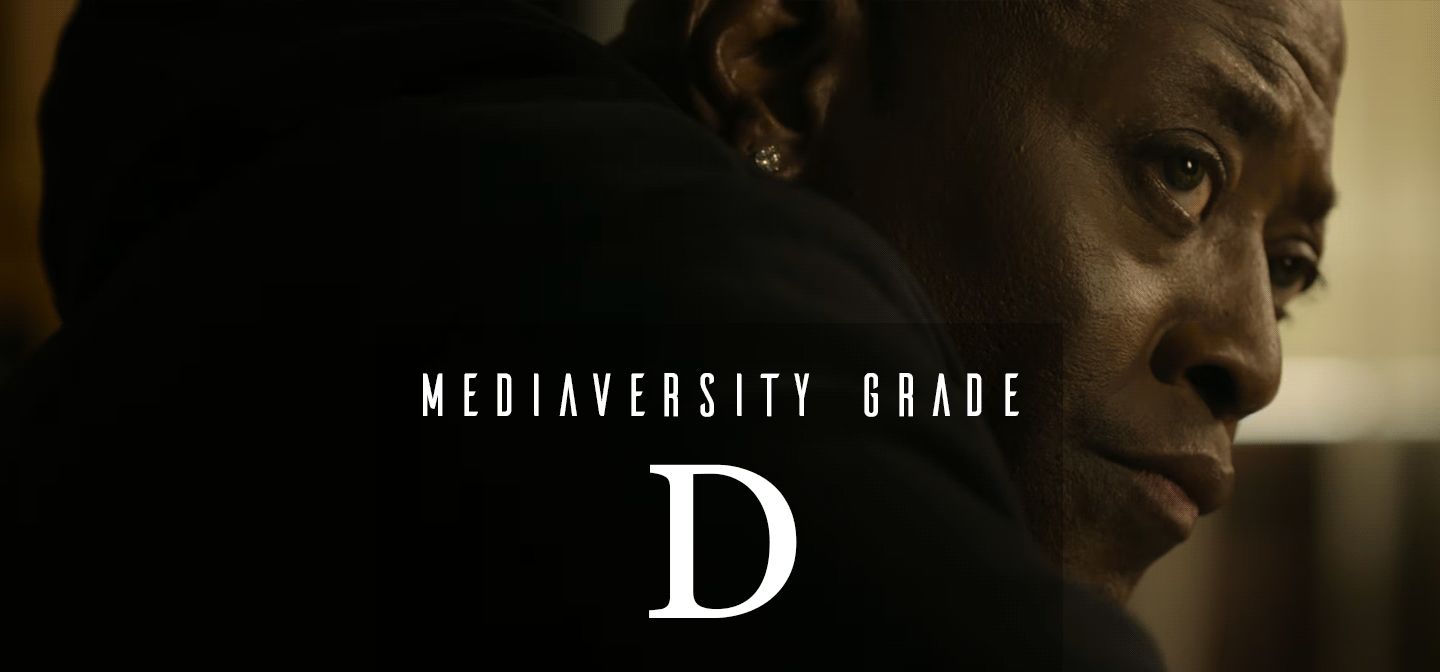
“Moses the Black has no curiosity about its characters beyond how they fit the mold of St. Moses’ story.”
Title: Moses the Black (2026)
Director: Yelena Popovic 👩🏼🇷🇸🇺🇸
Writer: Yelena Popovic 👩🏼🇷🇸🇺🇸
Reviewed by Li 👩🏻🇺🇸
—SPOILERS AHEAD—
Technical: 1.5/5
Moses the Black isn’t a quick cash grab or an easygoing movie made solely to entertain. Filmmaker Yelena Popovic, a devout Eastern Orthodox Christian, came with a mission to tell the story of St. Moses the Black, the patron saint of those who have turned their lives around. But this clear directive—of communicating a parable—comes at the cost of telling an engaging story.
Viewers find themselves on the streets of West Side Chicago, stuck between gang rivalries and senseless killings. Gang leader Malik (Omar Epps), fresh out of prison, wrestles with his newfound faith, and Popovic’s film tracks his moral journey interspersed with flashbacks to St. Moses (Chukwudi Iwuji) during his last days in A.D. 405.
This interesting premise, of retelling a saint’s story in a modern setting, buckles under its own self-importance. Sluggish scenes ruminate on an angsty Malik, who spends tens of minutes and countless close-ups looking chagrined, but with no narrative momentum to lend his pain any resonance. Even the film’s sporadic bouts of shootings and murder blend into a generic crescendo of revenge-driven violence.
Moses the Black is as subtle as a sledgehammer to the face. It has no curiosity about its characters, or about the social context in Chicago, beyond how various pieces fit the mold of St. Moses’ story. Everyone falls into two-dimensional tropes, including the main character, who’s a stereotypical gangster with a heart of gold. Established actors like Epps and Iwuji are given little to work with, resulting in over-the-top scenes of wretched, snot-dripping crying, or writhing on the floor in emotional agony, which just don’t land when you don’t know anything about your characters. An unhinged, jester-like character, Jerry (Cliff Chamberlain), is especially cringeworthy, given too much time to rant and rave and be generally hysterical for no observable reason.
The cinematography is no help either. Over-dark scenes add to the film’s lethargy, and the 5th century flashbacks use a strong sepia wash and shaky handheld camera that echo lo-fi documentary reenactments. The film would've felt stronger and more confident without these stumbling, desert interludes.
Gender: 1.5/5
Does it pass the Bechdel Test? NOPE
While written and directed by a female filmmaker, you’d hardly know it from the way Moses the Black portrays women. The few we meet are tied to male characters as strippers and grieving women who orbit gang members like Malik, his deputy 2wo-3ree (Wiz Khalifa), and rival Straw (Quavo). At best, Malik’s tattoo artist and love interest has a few scenes, existing to either support him emotionally or to be seen as grateful for his generosity. In addition, Malik’s grandmother provides the impetus for Malik’s change of heart—done so, of course, through her fridging.
Race: 3.5/5
The cast is almost all Black, with influential Black artists like Khalifa, Quavo, and executive producer 50 Cent participating in the film through music and acting. And even though the film’s writer-director is white—Serbian American, specifically—Popovic does her due diligence by partnering with people who can better tell this story, such as Reginald Berry, the founder of Chicago nonprofit Saving Our Sons and former gang member.
But the onscreen results are hardly revolutionary. Black men are almost entirely shown as gun-toting gangbangers or incarcerated prisoners. They sell drugs, smoke joints, call women “bitches,” and have no backstories. Malik alone has the bare minimum of interiority—we learn that he’s the son of a preacher, he loved playing football in high school, and we see him get sad when his nana dies. But without a variety of Black male roles, or nuanced depictions of gang members, Moses the Black simply reinforces damaging tropes.
Deduction for LGBTQ: -0.25
Straight characters use homophobic comments to bully other straight characters, labeling Malik's crew "booty bandits" because one of its members found out a person they were seeing was queer. No queer characters themselves are denigrated, but neither are they shown in this hyper-masculine setting.
Mediaversity Grade: D 2.08/5
Racial stereotypes can be subverted through strong writing. Flat characters can be offset by excellent performances, and a boring script can still become a mood piece through skillful cinematography. It’s a shame that none of these strengths rise to the challenge in Moses the Black. If Popovic’s goal for this film was to educate viewers on the Ethiopian saint, then it succeeds. But as a piece of storytelling, Moses the Black flops.
Like Moses the Black? Try these other Black-led titles that feature or reference Chicago.
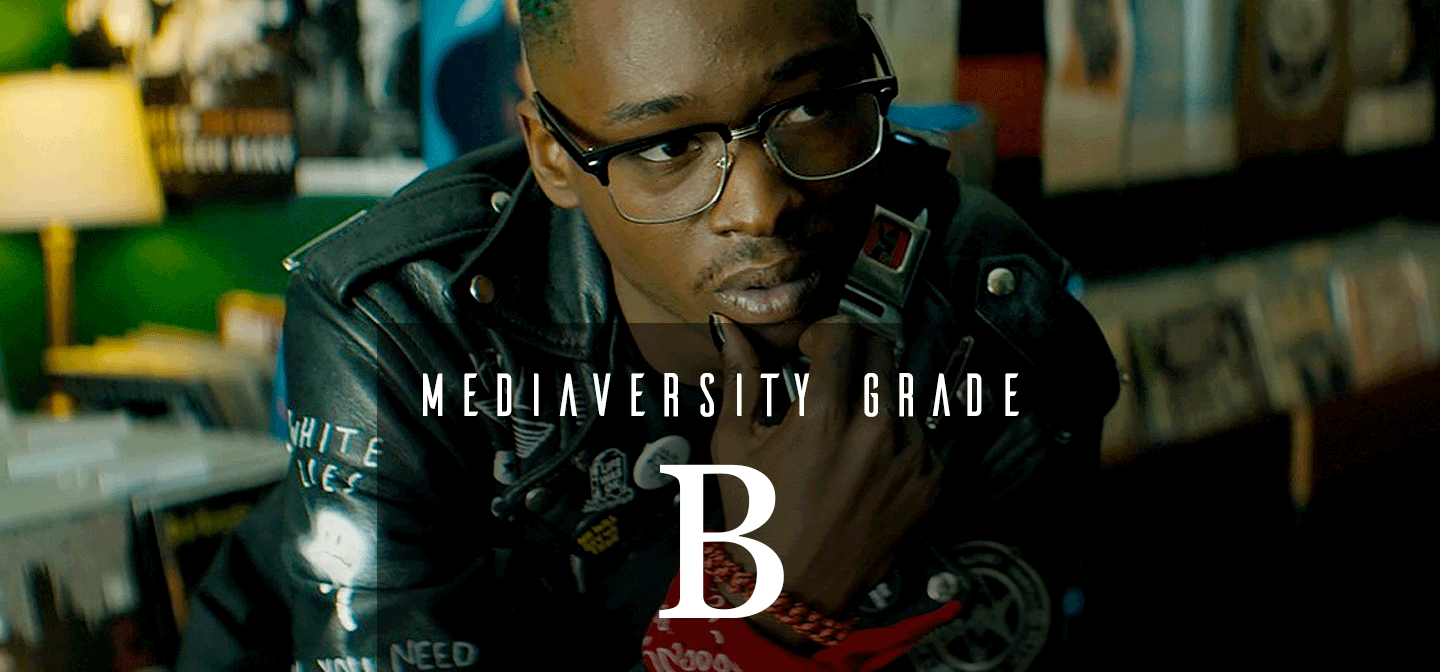
Native Son (2019)
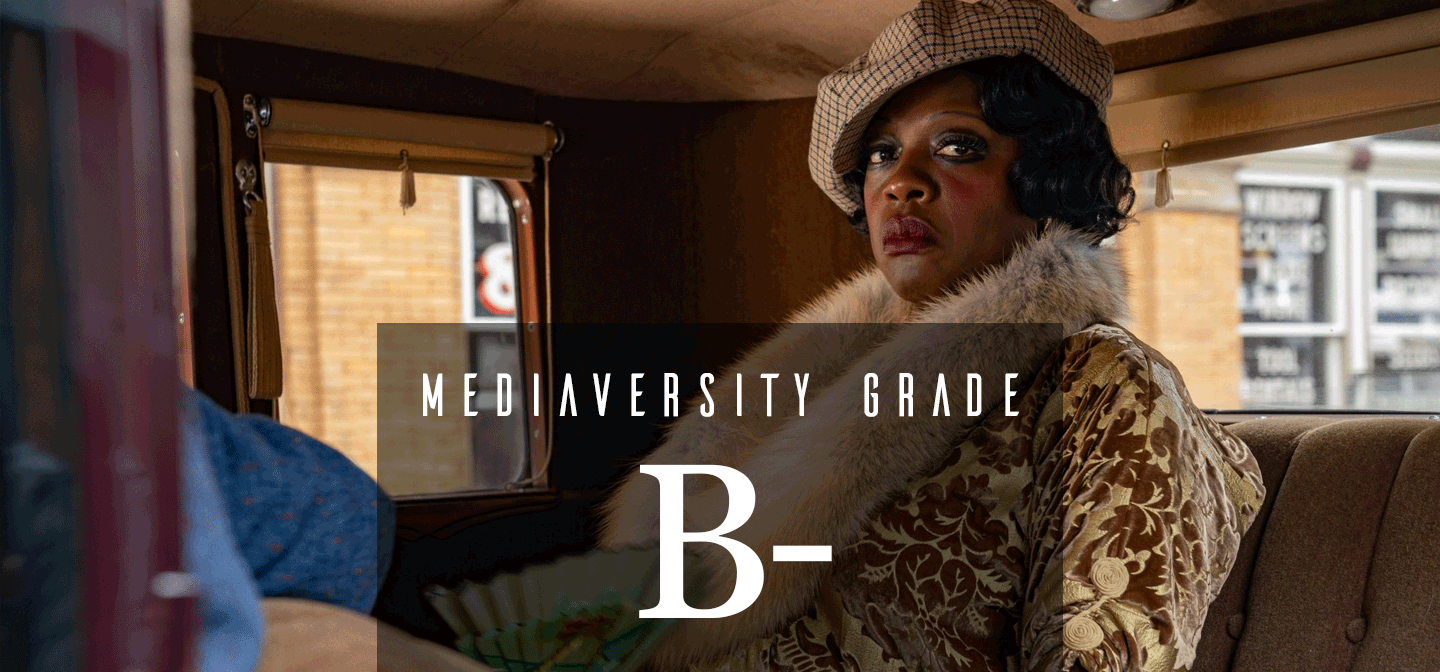
Ma Rainey’s Black Bottom (2020)
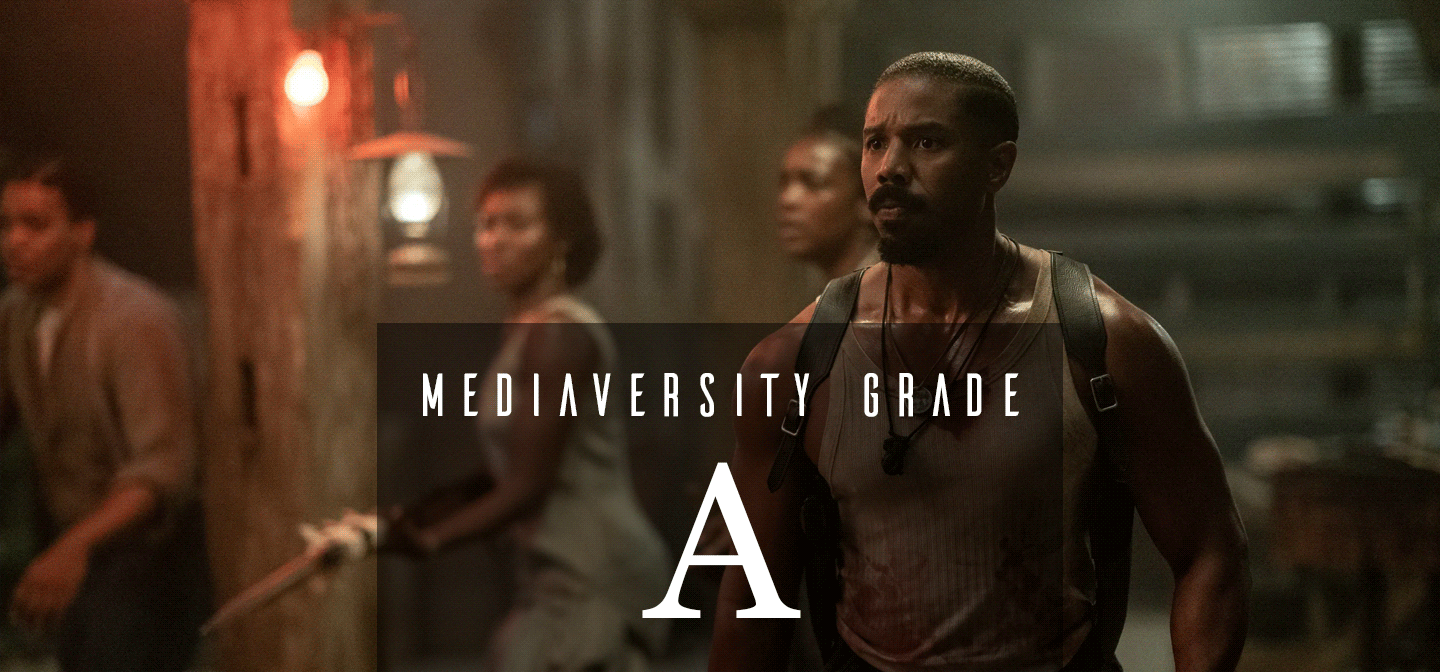
Sinners (2025)